San Francisco’s Cost of Living Crisis: When Six-Figure Salaries No Longer Guarantee Financial Stability
Housing Market Pressures Push High Earners Into Financial Strain
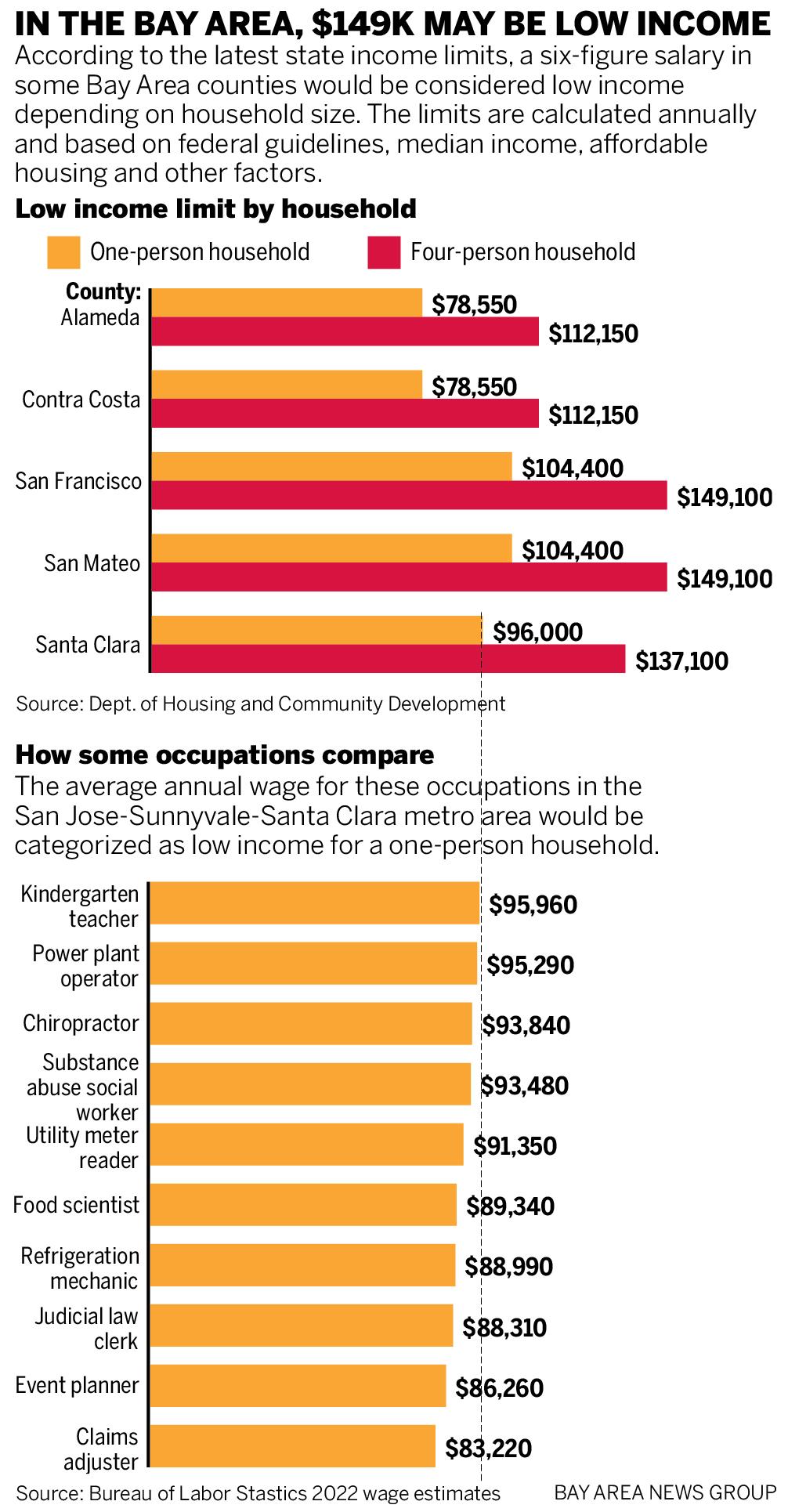
San Francisco, once a symbol of prosperity and innovation, now faces an unprecedented housing affordability crisis that has redefined what it means to be financially secure. In this city, earning a six-figure income—once considered a marker of comfort—is increasingly insufficient to cover basic living expenses. The relentless surge in housing costs, driven by a booming tech sector and a chronic shortage of available homes, has forced many residents earning over $120,000 annually to allocate more than half of their gross income to rent alone. This financial squeeze compels families to make tough decisions, often sacrificing healthcare, education, or other essentials to keep a roof over their heads.
Several critical factors contribute to this alarming trend:
- Rapid escalation in housing prices: The median rent for a one-bedroom apartment now surpasses $3,700 monthly.
- Severe shortage of rental units: Vacancy rates hover below 4%, intensifying competition.
- Income growth lagging behind inflation: Wage increases fail to match the pace of rising living costs.
| Income Range | Median Monthly Rent | Rent as Percentage of Income |
|---|---|---|
| $100,000 – $150,000 | $3,700 | >50% |
| $75,000 – $99,999 | $3,200 | ~55% |
| $50,000 – $74,999 | $2,400 | >70% |
Tech Industry Expansion Amplifies Economic Inequality and Living Expenses
The rapid growth of San Francisco’s technology sector has dramatically reshaped the city’s economic fabric. While tech companies attract highly paid professionals, their presence has inadvertently inflated the cost of living, making it difficult for many residents to afford everyday necessities. The influx of affluent workers has driven up demand for housing and services, resulting in steep rent increases and higher prices for goods. This dynamic has widened the economic gap, benefiting a small segment of the population while marginalizing middle- and lower-income households.
Contributing elements to this widening disparity include:
- Housing costs that have surged by more than 55% over the last five years.
- Restrictive zoning laws and speculative real estate practices limiting affordable housing development.
- Increased prices for consumer goods and services aligned with the spending power of tech employees.
- Displacement of long-standing communities, exacerbating social and economic segregation.
| Income Category | Annual Salary Range | Housing Cost Burden |
|---|---|---|
| Lower Income | $100,000 – $150,000 | Over 50% of income spent on housing |
| Middle Income | $150,000 – $250,000 | 35% to 50% of income on housing |
| Upper Income | Above $250,000 | Less than 35% of income on housing |
Challenges Facing Middle-Class Families and Workforce Dynamics
For many middle-class households in San Francisco, the dream of financial stability is slipping away as living expenses outpace income growth. Families earning six figures are compelled to make significant lifestyle changes, often cutting back on discretionary spending, postponing home purchases, or opting for multi-generational living arrangements to share costs. Essential expenses such as childcare, transportation, and healthcare consume an ever-growing share of their budgets.
Meanwhile, the local labor market is confronting new hurdles that threaten the city’s economic resilience. Employers struggle to attract and retain talent due to the prohibitive cost of living and quality-of-life concerns. Emerging workforce trends include:
- Migration of skilled workers: Many professionals are relocating to more affordable metropolitan areas.
- Expansion of gig and freelance employment: Increasing numbers of workers turn to contract roles for flexibility.
- Continuous skill development: Rapid technological advancements require ongoing education and training.
- Barriers to workforce diversity: High living costs limit inclusivity and equitable access to opportunities.
| Factor | Effect |
|---|---|
| Housing Expenses | Middle-income families spend over 60% of earnings on housing |
| Commute Duration | Average commute exceeds 45 minutes, increasing stress and reducing productivity |
| Remote Work Trends | Approximately 50% of employees now work remotely or in hybrid models |
| Employee Turnover | Annual turnover rates have risen by 30% in tech and service industries |
Strategic Policy Solutions for Affordability and Sustainable Urban Growth
Mitigating San Francisco’s housing affordability crisis demands a comprehensive strategy that addresses both immediate needs and long-term urban development. Policymakers should focus on stimulating the construction of affordable housing by offering incentives such as tax breaks and relaxing restrictive zoning laws. These measures can encourage the creation of diverse housing options that cater to a broad spectrum of income levels. Additionally, strengthening tenant protections and implementing rent stabilization policies can help prevent displacement and promote housing stability.
- Expand affordable housing initiatives targeting middle-income earners burdened by high costs.
- Foster collaborations between public agencies and private developers to finance sustainable residential projects.
- Promote transit-oriented development to maximize land use efficiency and reduce commuting times.
To ensure long-term economic and environmental sustainability, San Francisco should adopt smart-growth principles that enhance infrastructure while preserving natural resources. Investments in efficient public transportation, urban green spaces, and renewable energy infrastructure will improve residents’ quality of life and help lower living expenses over time. Enforcing sustainable building standards will guarantee that new developments are energy-efficient and resilient, addressing both climate change and housing demands.
| Policy Initiative | Anticipated Impact |
|---|---|
| Affordable Housing Incentives | Greater availability of homes for low- and middle-income residents |
| Tenant Rights Legislation | Reduced displacement and enhanced housing security |
| Transit-Focused Development | Lower transportation costs and improved accessibility |
| Green Building Regulations | Energy-efficient neighborhoods and reduced environmental footprint |
Looking Ahead: Balancing Growth and Affordability in San Francisco
As San Francisco confronts the dual challenges of escalating living costs and widening economic inequality, the reclassification of six-figure incomes as “low income” underscores the urgency of innovative solutions. The city’s housing shortage, inflationary pressures, and evolving workforce dynamics demand coordinated action from policymakers, businesses, and communities. How San Francisco navigates these complexities will not only shape its own future but also offer valuable lessons for other urban centers facing similar affordability crises in the years to come.