


In a Ventura County Star exposé, San Francisco’s persistent refusal to support key transportation projects has stalled statewide connectivity efforts, leaving California’s infrastructure progress at a frustrating standstill.
In a Ventura County Star exposé, San Francisco’s persistent refusal to support key transportation projects has stalled statewide connectivity efforts, leaving California’s infrastructure progress at a frustrating standstill.

A pro-transgender candidate was forced to leave a trans rights event after protesters confronted them over their stance on Gaza, highlighting ongoing tensions between LGBTQ+ advocacy and geopolitical conflicts.

San Francisco Mayor London Breed, a passionate soccer fan, is riding the World Cup wave to boost local enthusiasm and support for the sport. Her avid backing reflects the city’s growing soccer culture and international spirit.

Under the Trump administration, San Francisco International Airport has increasingly functioned as a de facto immigration detention center, raising concerns over civil rights and airport security practices, reports the San Francisco Chronicle.

In a historic move, Gavin Newsom and Donald Trump both endorse a unified plan to tackle AI challenges ahead of the 2028 election. Their rare agreement marks a pivotal moment in tech policy debates. More at sfchronicle.com.

ICE detained British Muslim journalist and political commentator at San Francisco airport, raising concerns over press freedom and profiling. Authorities have yet to clarify the reasons behind the detention.

U.S. envoys Witkoff and Kushner are holding critical talks in Ukraine, focusing on strengthening European political ties and addressing security concerns amid ongoing regional tensions. Details in the San Francisco Chronicle.

Dianne Feinstein will lie in repose at San Francisco City Hall on Wednesday, ahead of her funeral service. The late senator is being honored for her decades of public service to the city and nation.
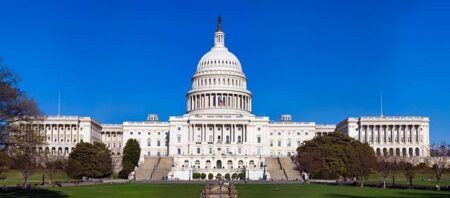
Nancy Pelosi, a towering figure in US politics and the first female Speaker of the House, has announced her retirement after more than four decades in Congress. Her departure marks the end of an era in American political history.

California’s Global Cities, highlighted by the Carnegie Endowment for International Peace, showcase the state’s role as a key player in international diplomacy, commerce, and innovation. Cities like Los Angeles and San Francisco lead in global connectivity.

Gavin Newsom, California’s governor, is a prominent Democratic figure known for his progressive policies and vocal opposition to former President Trump. He plays a key role in shaping national political debates.

Amid ongoing conflict, San Francisco’s political landscape intensifies, with leaders debating war strategies and civic priorities. The city grapples with balancing security and civil liberties in these turbulent times.

Crypto billionaires are investing in California politics to form a moderate counterforce against progressive policies. Their efforts highlight growing tensions within the state’s political landscape.

A recent political cartoon highlights former President Trump’s controversial racist comments about Baltimore, Nancy Pelosi’s response, and the contrasting conditions in San Francisco. The illustration sparked widespread debate this week.

Florida’s rising prominence contrasts sharply with California’s challenges, as economic growth and business-friendly policies boost the Sunshine State while the Golden State grapples with outflows and regulatory hurdles.

A San Francisco man played a pivotal role in shaping the modern understanding of American citizenship. His work redefined civic identity and legal rights, leaving a lasting impact on the nation’s democratic principles.

San Francisco voters appear to have rejected a proposed tax hike targeting highly paid CEOs, signaling resistance to increased corporate levies amid economic concerns, according to preliminary results reported by The New York Times.

A new star-studded video promotes San Francisco’s revival, featuring A-list celebrities and local leaders. The campaign highlights the city’s vibrant culture and economic rebound, aiming to attract visitors and businesses back.

OpenAI and Anthropic have urged the U.S. government to slow the rapid development of AI technologies. They call for cautious regulation to address potential risks and ensure responsible advancement, The Washington Post reports.
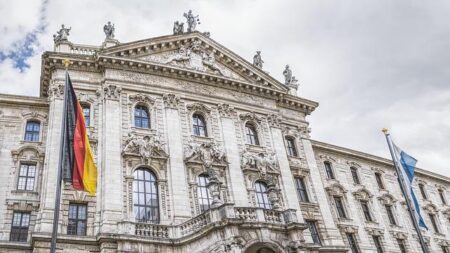
A new federal rule directs more asylum cases to immigration courts, accelerating deportation processes. Critics warn it overwhelms courts and limits migrants’ ability to seek protection.