
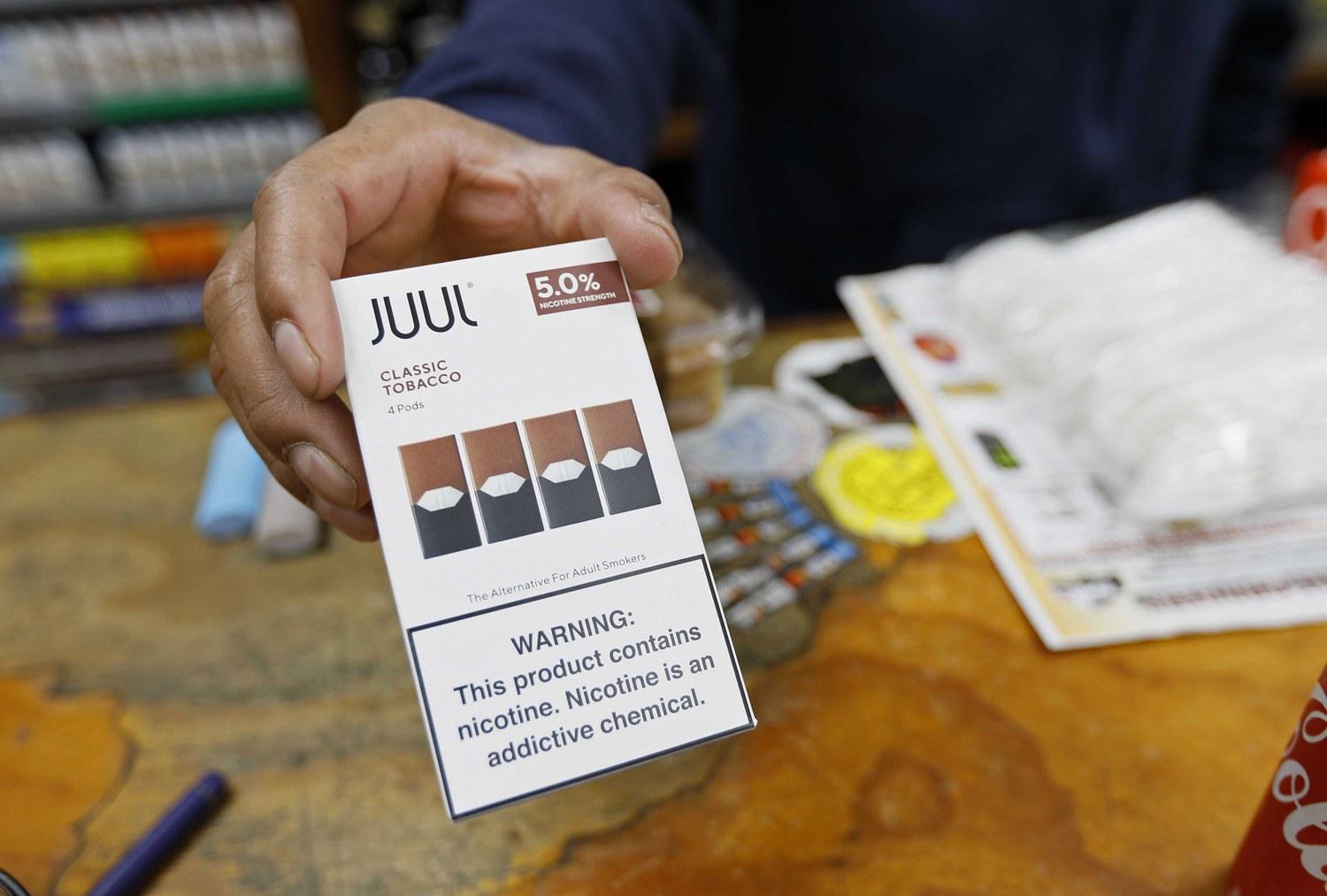
San Francisco Leads the Way with a Comprehensive E-Cigarette Prohibition
In a historic first for the United States, San Francisco has enacted a sweeping ban on the sale of all e-cigarette products. This decisive action underscores the city’s intensified commitment to tackling nicotine addiction and safeguarding public health, especially among younger demographics. With vaping’s popularity surging and health concerns escalating, San Francisco’s initiative could serve as a blueprint for other cities and states considering similar regulatory measures.
The ban encompasses not only the sale but also the distribution and promotion of e-cigarettes, reflecting a holistic approach to curbing vaping culture. Public health officials highlight the urgency of this measure due to the uncertain long-term effects of inhaling e-cigarette aerosols, which frequently contain nicotine alongside other potentially hazardous chemicals.
The primary motivations behind this landmark policy include:
- Preventing nicotine addiction among youth: The rise in teen vaping has raised alarms about early dependency on nicotine.
- Mitigating health hazards: Increasing evidence links vaping to respiratory illnesses and lung damage.
- Limiting exposure to toxic substances: Many e-liquids contain harmful compounds that may cause chronic health issues.
| Focus Area | Anticipated Result |
|---|---|
| Teen Vaping Prevalence | Marked decrease within two years |
| Vaping-Related Hospital Admissions | Noticeable reduction in cases |
| Public Knowledge | Enhanced awareness of vaping dangers |
Economic and Legal Repercussions for Businesses and Consumers
The enforcement of San Francisco’s e-cigarette ban presents considerable challenges for local retailers, many of whom must swiftly overhaul their product offerings and marketing tactics. Specialty vape shops face potential revenue losses and inventory write-offs as they adapt or risk penalties for non-compliance. Additionally, the ban’s legal framework has sparked debates over municipal authority limits, with vaping industry stakeholders potentially contesting the restrictions on grounds of commercial free speech and regulatory overreach.
Consumers also feel the impact, both immediately and over time. While public health advocates anticipate a decline in nicotine dependence, habitual vapers may encounter reduced access to their preferred products, possibly driving some toward illicit markets. This shift could alter spending habits, influence product pricing, and encourage the emergence of alternative nicotine delivery systems. Key economic and legal effects include:
- Decline in retail revenue: Vape shops experience significant drops in sales.
- Consumer spending adjustments: Increased purchases of traditional tobacco or cessation aids.
- Growth of black-market activity: Unauthorized sales complicate enforcement efforts.
- Legal and compliance costs: Businesses allocate funds to navigate regulations and potential lawsuits.
| Category | Effect |
|---|---|
| Compliance Expenses | Substantial |
| Consumer Product Variety | Significantly reduced |
| Regulatory Complexity | Heightened |
| Public Health Prospects | Improved |
Expert Opinions on the Ban’s Effectiveness and Potential Consequences
The medical community remains divided regarding the implications of San Francisco’s unprecedented e-cigarette prohibition. Advocates argue that the ban could drastically reduce nicotine addiction rates among adolescents and mitigate vaping-related health risks. Research indicates that young people exposed to vaping products are more susceptible to developing chronic respiratory conditions and may transition to conventional cigarette smoking. Health professionals stress that restricting access is a vital preventive strategy.
Conversely, some experts warn that a total ban might inadvertently push users toward unregulated black-market products, which could contain dangerous unknown substances. They also point out that vaping has served as a harm reduction tool for many adult smokers seeking alternatives to combustible tobacco. Critics recommend a more balanced approach, combining stringent regulations with public education rather than outright prohibition. The spectrum of perspectives includes:
- Proponents: Emphasize youth protection, addiction reduction, and public health gains.
- Opponents: Highlight risks of illicit markets, loss of harm reduction options, and unintended effects.
- Moderates: Advocate for regulation paired with education instead of bans.
| Dimension | Supporters’ View | Opponents’ View |
|---|---|---|
| Impact on Youth | Decreased nicotine exposure | Potential rise in illicit access |
| Adult Vapers | Encouragement to quit vaping | Loss of safer alternatives |
| Overall Public Health | Lower long-term risks | Uncertain effects on smoking prevalence |
Guidelines for Cities Considering E-Cigarette Restrictions
Municipalities exploring e-cigarette regulations should emphasize inclusive stakeholder engagement to craft policies that effectively address health concerns while minimizing economic disruption. Early involvement of local businesses, healthcare professionals, and community representatives fosters transparency and cooperation. Public education campaigns are essential to inform residents—especially youth and vulnerable groups—about the risks associated with vaping.
Policymakers should also design enforcement strategies that balance rigor with fairness. Implementing phased rollouts, including warning periods before penalties, can facilitate smoother adaptation for retailers and consumers alike. Key recommendations for cities planning similar bans include:
- Engage a broad range of stakeholders to ensure diverse perspectives and buy-in.
- Implement targeted educational programs to raise awareness about vaping dangers.
- Adopt phased enforcement to allow gradual compliance.
- Monitor for unintended consequences such as illicit sales or health disparities.
- Coordinate with regional and national health authorities to maintain consistent messaging.
| Recommendation | Objective | Expected Benefit |
|---|---|---|
| Stakeholder Collaboration | Enhance policy relevance and trust | Greater compliance and support |
| Public Awareness Campaigns | Reduce initiation of vaping | Lower youth usage rates |
| Gradual Enforcement | Minimize resistance and disruption | Smoother policy adoption |
| Impact Evaluation | Enable policy adjustments | Improved health and social outcomes |
Conclusion: San Francisco’s Bold Step and Its Future Impact
San Francisco’s trailblazing decision to ban e-cigarettes represents a pivotal moment in the national conversation surrounding vaping and public health. As the first major city in the U.S. to enact such comprehensive restrictions, it establishes a potential model for other jurisdictions wrestling with similar challenges. This policy reflects mounting concerns about vaping’s long-term health effects, particularly among youth. The coming years will reveal how this initiative influences smoking rates, public health metrics, and regulatory trends across the country.