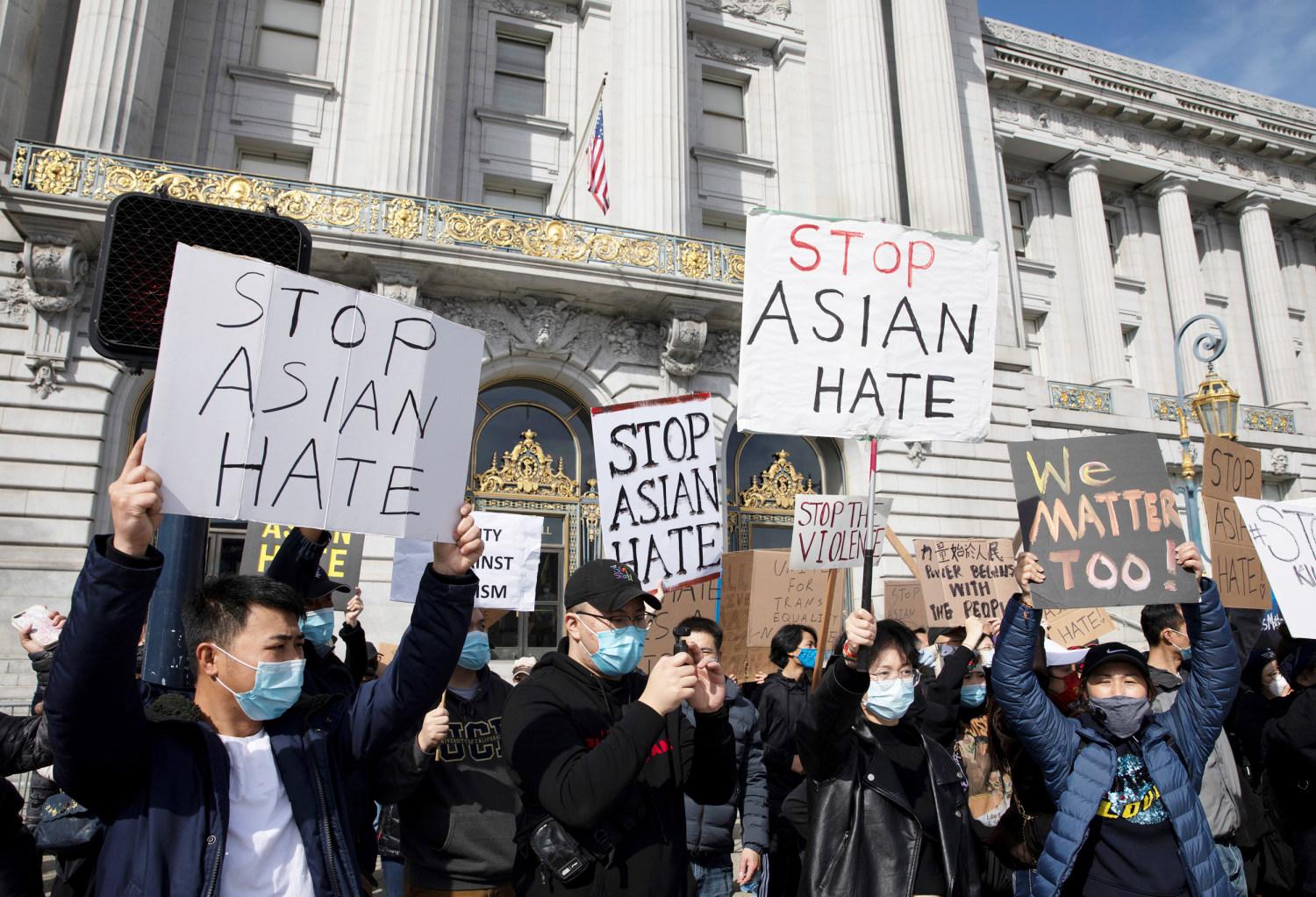
Rising Incidents of Anti-Asian Hate Crimes in San Francisco: A Call for Action
Sharp Increase in Anti-Asian Hate Crimes Amid Pandemic-Driven Tensions
Throughout 2021, San Francisco experienced a significant escalation in hate crimes directed at its Asian American community, reflecting a disturbing pattern seen nationwide. City officials reported a surge in incidents ranging from verbal abuse to physical violence, leaving many residents feeling unsafe in neighborhoods that were once considered secure. Experts link this rise to heightened social and political tensions intensified by the COVID-19 pandemic, which fueled xenophobic attitudes and misinformation.
Contributing factors to this increase include:
- Spread of false narratives and stereotypes associating Asian communities with the origin of COVID-19.
- Frequent attacks occurring in public venues such as transit hubs and parks.
- Underreporting caused by language difficulties and mistrust toward law enforcement agencies.
In response, San Francisco authorities have boosted police presence in vulnerable areas and initiated community outreach programs to promote solidarity and safety. The table below compares reported anti-Asian hate crimes in 2020 and 2021:
| Year | Reported Anti-Asian Hate Crimes | Percentage Increase in Overall Hate Crimes |
|---|---|---|
| 2020 | 28 | 12% |
| 2021 | 87 | 45% |
Advocacy for Improved Reporting Systems and Victim Support
Community advocates and leaders in San Francisco are pressing for enhanced mechanisms to encourage reporting of hate crimes, emphasizing that many victims hesitate to come forward due to fears of retaliation, language barriers, or skepticism about police responsiveness. They propose the establishment of multilingual helplines, culturally aware outreach efforts, and stronger partnerships between law enforcement and community organizations to create safer spaces for Asian American and Pacific Islander residents.
Moreover, there is a growing demand for expanded victim assistance services, including:
- Trauma-informed mental health counseling tailored to hate crime survivors.
- Legal support programs to help victims navigate the justice system effectively.
- Community-driven safety initiatives designed to raise awareness and prevent future incidents.
These comprehensive efforts aim to empower victims, ensuring they receive the support and justice they deserve without facing additional obstacles.
Law Enforcement’s Strategic Response to Combat Hate Crimes
San Francisco’s law enforcement agencies have adopted focused strategies to address the surge in anti-Asian hate crimes, prioritizing both prevention and community trust-building. Measures include increased patrols in high-risk neighborhoods, the creation of specialized hate crime units, and the launch of liaison programs to facilitate open dialogue between police and minority communities.
Current initiatives include:
- Educational Workshops: Sessions designed to inform the public about hate crimes and encourage reporting.
- Data-Driven Deployment: Using crime analytics to identify hotspots and allocate resources efficiently.
- Multilingual Communication: Providing materials and outreach in various Asian languages to improve accessibility.
- Victim Assistance Programs: Offering enhanced counseling and legal aid tailored to survivors of hate crimes.
| Initiative | Goal | Status |
|---|---|---|
| Hate Crime Task Force | Accelerate and improve investigations | Fully operational |
| Community Engagement | Build trust and increase incident reporting | Monthly events ongoing |
| Analytical Policing | Effectively target crime hotspots | Data integration in progress |
| Victim Support Services | Provide comprehensive emotional and legal aid | Resources expanded |
Promoting Inclusion Through Public Education and Awareness Campaigns
Experts and community leaders stress the importance of broad educational campaigns to combat racial prejudice and foster inclusivity. These initiatives aim to reduce hate crimes by increasing public understanding of the challenges faced by Asian American communities. Key focus areas include:
- Historical Awareness: Highlighting the significant contributions and hardships of Asian Americans throughout U.S. history.
- Cultural Sensitivity: Encouraging empathy through deeper appreciation of diverse cultural backgrounds.
- Bias Recognition: Educating on how implicit biases contribute to discriminatory actions and violence.
Long-term, sustained efforts involving schools, local organizations, and media outlets are essential to dismantle stereotypes and build stronger community bonds. Recommended approaches include:
- Implementing targeted workshops and seminars addressing hate crime prevention.
- Distributing multilingual educational materials promoting respect and solidarity.
- Engaging influential community figures to amplify anti-hate messages.
| Campaign Element | Anticipated Impact |
|---|---|
| School-Based Programs | Enhanced empathy and awareness among youth |
| Community Dialogues | Strengthened neighborhood relationships |
| Media Campaigns | Wider public engagement and visibility |
| Multilingual Resources | Improved accessibility for diverse populations |
Conclusion: Addressing the Challenge of Anti-Asian Hate Crimes
The notable rise in anti-Asian hate crime reports in San Francisco during 2021 mirrors a nationwide issue demanding urgent attention. As communities and officials work together to confront this challenge, the emphasis on enhanced awareness, robust legal protections, and proactive community engagement remains critical. Ongoing vigilance and collaborative efforts are essential to safeguard Asian American residents and cultivate a society grounded in respect, inclusion, and justice.