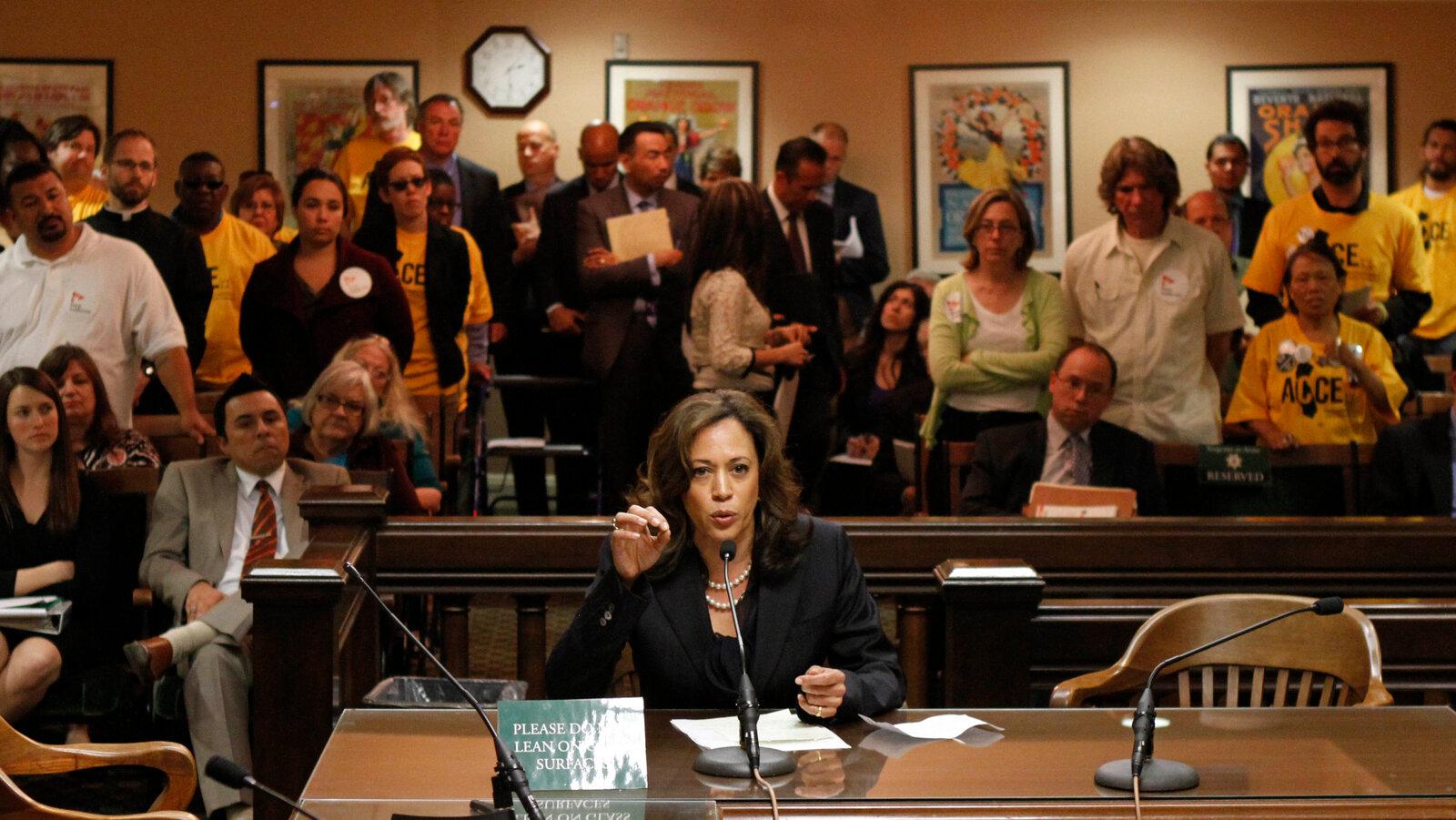
Kamala Harris’s Prosecutorial Legacy: Navigating Reform and Law Enforcement in San Francisco
A Pragmatic Fusion of Reform and Tough Justice
During her time as San Francisco’s district attorney, Kamala Harris adopted a nuanced prosecutorial philosophy that sought to harmonize progressive criminal justice reforms with firm law enforcement. Her administration prioritized reducing incarceration rates through innovative alternatives for non-violent offenders, such as diversion and rehabilitation programs, while simultaneously enforcing stringent penalties for violent crimes and repeat offenders. This dual-pronged approach sparked both commendation and controversy, illustrating the intricate balance required to uphold public safety while addressing systemic inequities.
- Progressive initiatives: Emphasized bail reform and community-based rehabilitation to decrease jail populations.
- Strict enforcement: Pursued harsh sentencing for serious felonies and expanded prosecution efforts targeting habitual criminals.
- Community considerations: Sought to mitigate racial disparities and enhance trust between law enforcement and marginalized communities.
Key Policy Areas and Their Outcomes
| Policy Focus | Harris’s Strategy | Resulting Impact |
|---|---|---|
| Bail Reform | Minimized pretrial detention for minor offenses | Reduced jail overcrowding and improved court appearance rates |
| Drug Offenses | Introduced diversion programs emphasizing treatment over incarceration | Lowered imprisonment rates and promoted recovery |
| Violent Crime | Aggressively prosecuted with emphasis on maximum sentencing | Strengthened deterrence but faced criticism over sentencing severity |
High-Profile Cases: Striking a Balance Between Reform and Accountability
Harris’s prosecutorial decisions in prominent cases highlighted her ability to juggle reformist ideals with the demands of public safety. She expanded diversion programs to alleviate court congestion and provide rehabilitative opportunities for non-violent offenders. Conversely, she maintained a rigorous prosecutorial stance in cases involving violent crimes and habitual offenders, signaling a zero-tolerance policy for serious criminal behavior. This approach reflected a pragmatic response to the multifaceted challenges prosecutors face in politically sensitive environments.
- Broadened diversion initiatives to support offender rehabilitation and reduce incarceration rates.
- Assertive prosecution of violent crime cases to uphold community safety.
- Revised charging protocols to prioritize impactful cases and optimize resource allocation.
- Engaged community groups to build transparency and trust in the justice process.
| Offense Type | Reform Measures | Enforcement Actions |
|---|---|---|
| Non-violent Crimes | Diversion programs, reduced sentencing | Community service, minimal incarceration |
| Violent Offenses | Limited leniency, victim advocacy | Strong prosecution, maximum penalties |
| Repeat Offenders | Focused rehabilitation efforts | Harsher sentencing, strict parole supervision |
Evaluating the Effects on Public Safety and Recidivism
Harris’s policies reflected a deliberate effort to reduce incarceration without compromising community security. By promoting alternatives to imprisonment for low-risk offenders, her office contributed to a significant decrease in jail populations. Simultaneously, her administration’s firm approach to violent crime underscored a commitment to accountability and deterrence. This balanced methodology aimed to address systemic disparities while safeguarding neighborhoods.
Notable achievements during her leadership include:
- Launching diversion programs tailored for first-time offenders
- Strengthening partnerships with law enforcement to target repeat violent criminals
- Utilizing risk assessment tools to inform sentencing and reduce repeat offenses
| Year | Recidivism Rate | Crime Rate (per 1,000 residents) |
|---|---|---|
| 2015 | 42% | 7.9 |
| 2018 | 37% | 7.0 |
| 2021 | 35% | 6.8 |
While these improvements were significant, critics argue that systemic racial and economic disparities in incarceration persisted, suggesting that deeper reforms are necessary. Advocates, however, view Harris’s balanced approach as a model for integrating reform with effective law enforcement in modern prosecutorial practices.
Guidelines for Progressive Prosecutorial Practices Moving Forward
For jurisdictions committed to progressive criminal justice, future prosecutorial strategies must carefully blend reform initiatives with robust accountability. Prioritizing alternatives to incarceration while ensuring public safety remains paramount. Incorporating data-driven methodologies and fostering meaningful community involvement are essential to building transparency and trust. This includes expanding early intervention programs for non-violent offenders alongside firm measures for serious and repeat crimes.
Recommended strategies include:
- Broaden restorative justice programs to address underlying causes of crime and facilitate dialogue between victims and offenders.
- Provide comprehensive training for prosecutors on implicit bias and cultural sensitivity to promote fairness.
- Utilize advanced data analytics to track case outcomes and optimize allocation of prosecutorial resources.
- Strengthen collaborations with social services to support offender rehabilitation and successful community reintegration.
- Establish clear policy frameworks that distinctly communicate reform goals alongside enforcement priorities to avoid mixed messaging.
| Strategy | Anticipated Benefit | Potential Obstacles |
|---|---|---|
| Restorative Justice Initiatives | Reduced repeat offenses | Community skepticism and resistance |
| Implicit Bias Education | More equitable case outcomes | Institutional inertia |
| Data Analytics Deployment | Improved efficiency and resource management | Concerns over data privacy and security |
Conclusion: A Legacy of Balanced Criminal Justice Leadership
Kamala Harris’s tenure as San Francisco’s district attorney exemplifies the intricate balancing act between progressive reform and traditional law enforcement. Her prosecutorial record highlights the ongoing national dialogue about how best to reconcile public safety with fairness and equity in the justice system. As Harris continues her political journey, her approach remains a significant reference point in debates over the future direction of criminal justice policy in the United States.