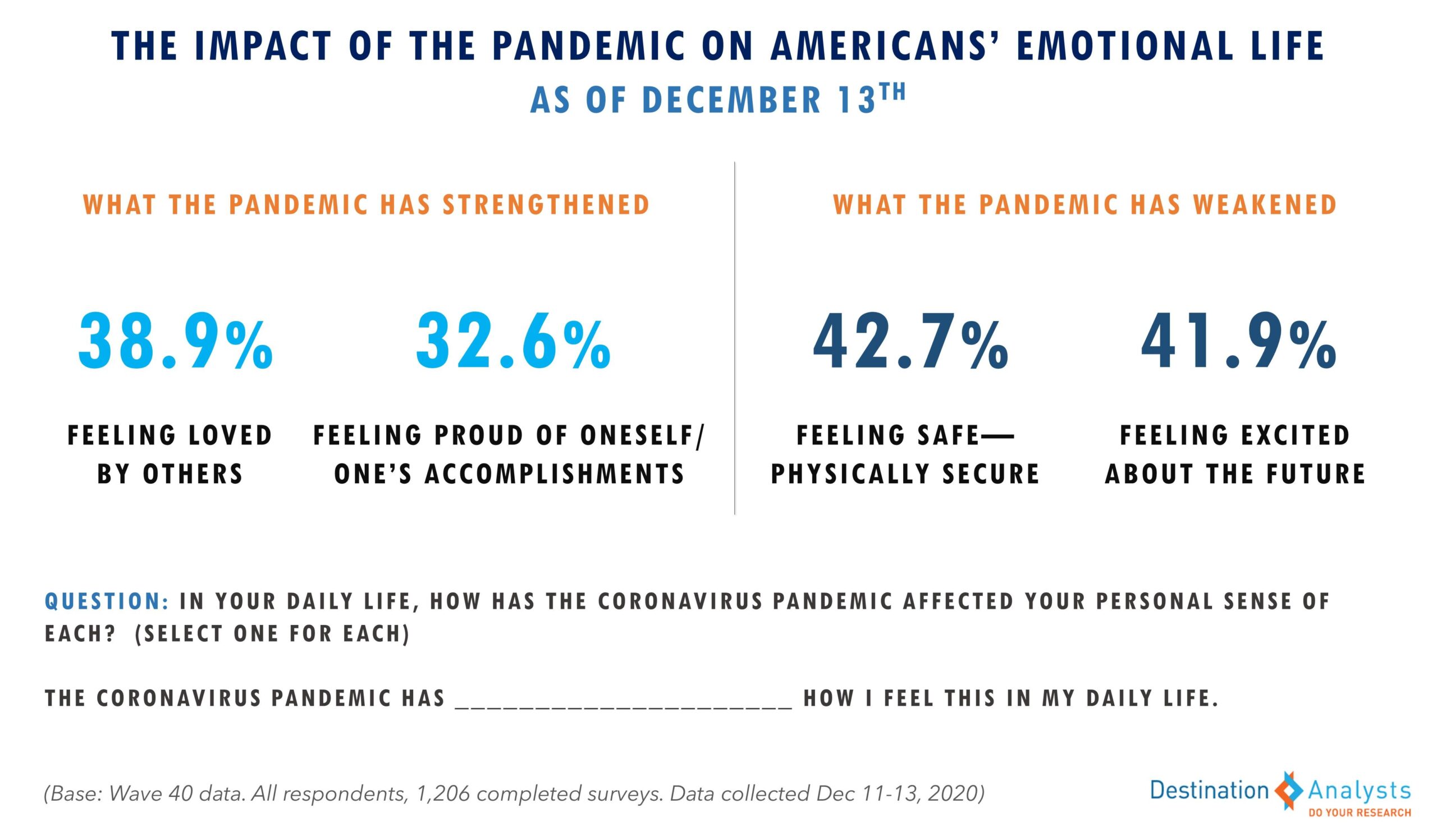
In recent years, debates over safety and security have increasingly shaped public discourse across the United States. A new opinion article from The New York Times delves into the unsettling realities behind what truly makes Americans feel safe—revealing a complex mix of perception, misinformation, and societal influence. As fears and anxieties intertwine with political and cultural narratives, understanding the roots of these feelings is crucial to addressing the broader challenges facing communities nationwide. This article explores the disturbing truths that lie beneath the surface of collective security and the implications for America’s future.
The Illusion of Security in American Society
Americans often equate safety with visible signs of protection—armed personnel, surveillance cameras, and gated communities. Yet, this perception overlooks subtler, systemic vulnerabilities that undermine actual security. For many, the illusion of safety is maintained by policies and practices that prioritize outward appearances over tangible well-being. This disparity creates a paradox: as fears about crime and violence escalate, the measures taken frequently do little to address root causes such as economic inequality, mental health crises, and social fragmentation.
Key factors contributing to this false sense of security include:
- Heavy investment in policing rather than community services
- Reliance on technology, which can be bypassed or fail
- Ongoing stigmatization of marginalized groups
- Underfunded social safety nets that leave many exposed
In many cases, these elements not only fail to protect but exacerbate feelings of vulnerability. The table below illustrates a comparison of perceived security measures versus their actual impact based on national data.
| Security Measure | Perceived Effectiveness | Actual Impact on Safety |
|---|---|---|
| Increased Police Presence | High | Moderate |
| Public Surveillance Cameras | High | Low to Moderate |
| Community Social Programs | Low | High |
| Economic Support Initiatives | Low | High |
How Fear Shapes Policy and Public Perception
Across the United States, fear acts as a powerful undercurrent that dramatically influences both policy decisions and public attitudes. Political leaders often harness this sentiment to justify expansive security measures, sometimes at the expense of civil liberties. This phenomenon is more than just rhetoric; it shapes the allocation of billions in government funding toward surveillance, law enforcement, and border control initiatives. Fear-driven policies tend to prioritize immediate threats—real or perceived—over long-term societal well-being, skewing public priorities and narrowing the scope of meaningful debate.
Public perception, in turn, is molded by a steady stream of media narratives and political messaging that emphasize danger and vulnerability. Key factors contributing to this cyclical dynamic include:
- Sensationalized news coverage that amplifies rare but dramatic events
- Political rhetoric exploiting fears to gain support or deflect criticism
- Social media echo chambers where anxiety and distrust are amplified
| Policy Area | Influence of Fear | Public Reaction |
|---|---|---|
| Immigration | Heightened border security, xenophobic legislation | Increased suspicion and calls for stricter laws |
| Counterterrorism | Expanded surveillance powers, indefinite detention | Willingness to sacrifice privacy for safety |
| Gun Control | Opposing or supporting laws intensively debated | Divided public opinion rooted in fear of violence |
The Role of Media in Amplifying Safety Concerns
The media plays an undeniable role in shaping public perceptions of safety, often amplifying fears through continuous coverage of violent incidents and crises. Sensational headlines and 24/7 news cycles create a feedback loop that can distort reality, making rare but dramatic events feel ubiquitous. This relentless focus disproportionately impacts how Americans internalize risk, pushing some to perceive their everyday environment as more perilous than statistical evidence suggests.
Key mechanisms by which media amplify safety concerns include:
- Selective reporting: emphasizing particularly shocking or violent stories.
- Visual impact: repetitious airing of graphic images heightens emotional response.
- Framing narratives: portraying certain communities or locations as inherently dangerous.
| Media Factor | Effect on Public Perception |
|---|---|
| Breaking News Alerts | Creates urgency and continuous attention |
| Crime Statistics Presentation | Focus on increases rather than decreases |
| Expert Interviews | Often highlight worst-case scenarios |
Addressing Root Causes to Rebuild True Safety
The prevailing sense of security in America is often built on reactive measures rather than proactive solutions. To forge lasting safety, policymakers must engage deeply with the systemic issues fueling insecurity. This means targeting economic inequality, improving access to education, and addressing mental health — all critical factors that underlie much of the social unrest and crime rates seen nationwide.
Effective reform demands an integrated approach that encompasses:
- Community-driven policing to rebuild trust between law enforcement and residents;
- Affordable housing projects reducing displacement and neighborhood instability;
- Job creation programs focused on sustainable wages and growth;
- Comprehensive mental health services accessible to all socioeconomic groups.
| Key Issue | Impact | Proposed Solution |
|---|---|---|
| Economic Inequality | Fuels desperation and crime | Expand job training & livable wage policies |
| Educational Disparities | Limits opportunity and social mobility | Increase funding for public schools & programs |
| Mental Health Access | Contributes to untreated crises | Fund community-based care and support networks |
In Conclusion
In dissecting the complex factors that shape Americans’ perceptions of safety, this analysis reveals unsettling realities about fear, misinformation, and societal divisions. Understanding what truly underpins feelings of security is essential—not only for policymakers but for citizens striving to build a more informed and cohesive society. As this investigation shows, confronting these uncomfortable truths is the first step toward fostering genuine safety that transcends surface-level assurances and addresses the root causes of anxiety. The ongoing challenge lies in translating awareness into action that bridges gaps and reinforces both individual and communal well-being.