San Francisco’s vibrant LGBTQ+ community has long been celebrated for its resilience and activism, but less known is the pivotal role played by the U.S. military in shaping this legacy. From the post-World War II era to the present day, military policies, personnel, and associated cultural shifts have profoundly influenced the city’s LGBTQ+ landscape. This article explores the untold stories and historical intersections that reveal how the U.S. armed forces helped lay the groundwork for San Francisco’s enduring reputation as a beacon of LGBTQ+ rights and identity.
The Role of Military Veterans in Shaping San Francisco’s LGBTQ+ Activism
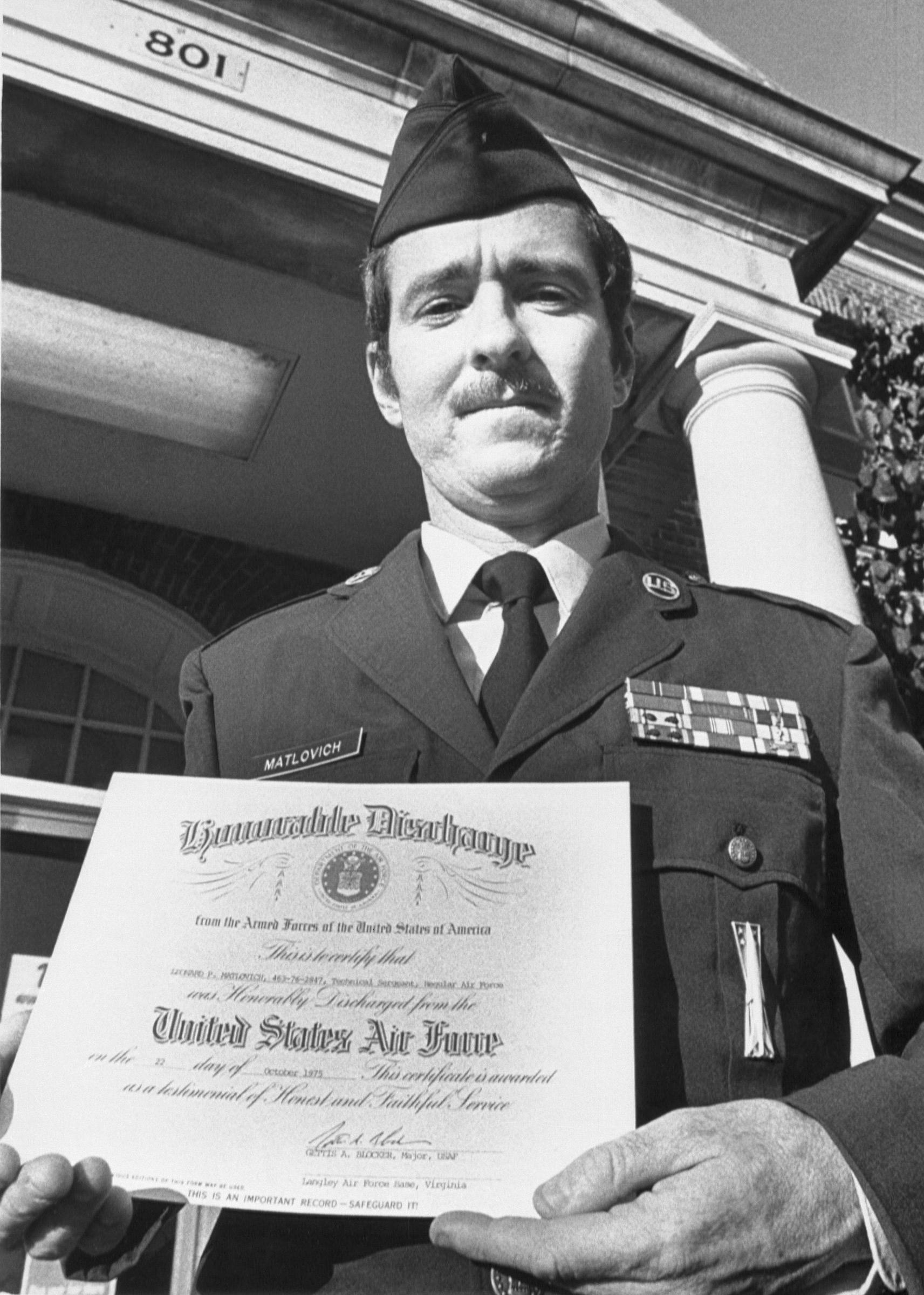
Military veterans played an indispensable role in the emergence and growth of San Francisco’s LGBTQ+ activism, leveraging their unique experiences and disciplined organization skills honed in service. Many veterans, having endured the stringent restrictions of military life regarding sexual orientation and gender identity, returned to a society where their roles were often misunderstood or unacknowledged. This paradox of serving a country that simultaneously marginalized them forged a resilience that became the backbone of early LGBTQ+ movements in the city. Veterans introduced structured advocacy models, inspired by military strategies, which enhanced the effectiveness of protests, public awareness campaigns, and legal battles for equality.
Key contributions of military veterans to San Francisco’s LGBTQ+ activism included:
- Creation of disciplined, strategic organizing networks that fostered community solidarity and rapid mobilization.
- Introduction of veteran support groups that doubled as safe spaces encouraging political engagement and identity affirmation.
- Utilization of leadership skills for the founding of pioneering organizations that challenged discrimination laws and societal norms.
- Sharing firsthand narratives of military discrimination which amplified national conversations on LGBTQ+ rights.
| Veteran Activism Role | Impact on Movement |
|---|---|
| Strategic Organizing | Enhanced protest planning and visibility |
| Safe Space Creation | Provided social and political refuge |
| Advocacy Leadership | Influenced policy and societal perceptions |
| Storytelling and Awareness | Raised consciousness about institutional bias |
Examining Landmark Policies and Their Lasting Impact on LGBTQ+ Rights
From the mid-20th century onward, pivotal policies initiated within the U.S. military not only affected service members but also catalyzed a broader cultural transformation that shaped San Francisco’s LGBTQ+ identity. The “Don’t Ask, Don’t Tell” policy, though initially restrictive, inadvertently created a clandestine network of camaraderie and resilience among LGBTQ+ soldiers. This hidden solidarity spilled into urban centers like San Francisco, where veterans found refuge and community, fueling the city’s rise as a sanctuary for queer expression and activism. Moreover, early military medical and psychological classifications of homosexuality spurred activists to challenge institutional stigma, laying the groundwork for progressive legal reforms.
Key legislative benchmarks illustrate the military’s complex legacy on LGBTQ+ rights:
- 1973: The American Psychiatric Association removed homosexuality from its list of mental disorders, influenced by activists, including veterans.
- 1993: Implementation of “Don’t Ask, Don’t Tell” policy.
- 2011: Repeal of DADT, enabling open service.
- 2016: Transgender individuals granted permission to serve openly.
| Policy | Year | Impact on LGBTQ+ Community |
|---|---|---|
| APA De-Classification | 1973 | Validated LGBTQ+ identities medically |
| Don’t Ask, Don’t Tell | 1993 | Restricted disclosure but built covert alliances |
| DADT Repeal | 2011 | Enabled open military service |
| Transgender Service Open | 2016 | Expanded inclusion to transgender members |
Community Building and Support Networks Within Military Circles
Throughout the armed forces, informal networks and grassroots organizations have been pivotal in transforming militarized environments into havens of acceptance and activism. Veterans and active service members quietly fostered connections that transcended rank and branch, providing emotional support and championing visibility within an often hostile system. These covert alliances were more than just solidarity circles; they served as the foundational framework for the broader San Francisco LGBTQ+ movement, planting seeds of resilience and pride that would later flourish in one of the nation’s most iconic queer enclaves.
Key factors shaping these community efforts included:
- Safe spaces: Unofficial gatherings in barracks, mess halls, and beyond where members could openly express identity without persecution.
- Mentorship: Senior LGBTQ+ personnel offering guidance and protection to less experienced peers navigating discrimination.
- Mutual aid: Sharing resources such as housing, legal advice, and healthcare to mitigate institutional barriers.
| Year | Community Initiative | Impact |
|---|---|---|
| 1975 | Veterans support network formed | Provided a framework for public LGBTQ+ advocacy post-service |
| 1982 | Informal queer gatherings in military facilities | Built trust, leading to public pride events in SF |
| 1990 | Legal aid circles initiated within military community | Raised awareness of discrimination but also resistance |
Recommendations for Preserving and Expanding the LGBTQ+ Legacy in San Francisco
Investing in community-led initiatives remains essential for preserving the rich heritage of San Francisco’s LGBTQ+ legacy rooted in military history. Local governments and organizations should prioritize funding for museums, archives, and oral history projects that document the stories of veterans and activists alike. Equally important is supporting educational programs that integrate this unique narrative into school curriculums, thereby fostering a deeper understanding of the intersection between military service and LGBTQ+ rights. Collaboration with LGBTQ+ veterans’ groups can amplify these efforts, ensuring that personal experiences are honored and preserved with authenticity and respect.
Expanding inclusive public spaces and commemorative landmarks further cements the city’s dedication to this legacy. Recommendations include:
- Creating interactive exhibits that highlight the pivotal role of LGBTQ+ military personnel in shaping San Francisco’s culture.
- Organizing annual festivals and conferences that spotlight historical milestones and ongoing advocacy.
- Implementing mentorship programs connecting older generations of LGBTQ+ veterans with younger community members, promoting lifelong solidarity and knowledge sharing.
| Recommendation | Impact |
|---|---|
| Community-driven archives | Preserves authentic histories |
| Inclusive public landmarks | Encourages cultural tourism |
| Educational outreach | Fosters acceptance and awareness |
| Intergenerational mentorship | Strengthens community bonds |
In Retrospect
In tracing the roots of San Francisco’s vibrant LGBTQ+ community, the U.S. military’s role emerges as a surprising yet pivotal chapter. From the adversity faced by service members to the resilient networks forged in and around military installations, this legacy underscores the complex interplay between institutional challenges and the fight for identity and acceptance. As San Francisco continues to be a beacon for LGBTQ+ rights and culture, understanding this history enriches the broader narrative of progress, highlighting how even unlikely spaces can nurture social transformation.