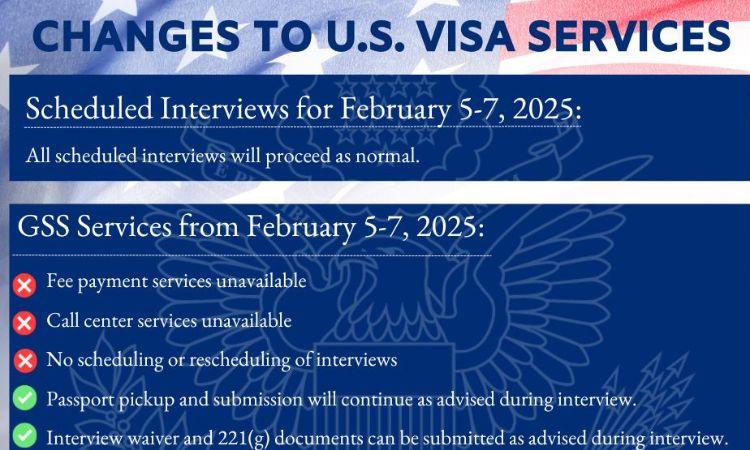
Examining the Recent US Visa Policy Changes and Their Ripple Effects on International Education
Understanding the Recent Adjustments in US Student Visa Regulations
In recent months, subtle yet impactful revisions to the United States visa policies have emerged, largely unnoticed by the broader public but causing significant concern within the international education sector. These changes primarily affect the F-1 and J-1 visa categories, which are essential for international students and exchange visitors. Originally designed to enhance security and improve procedural efficiency, the new rules have instead introduced ambiguity and complexity, complicating the visa acquisition and renewal processes for many applicants.
Universities across the country are now facing administrative burdens, while prospective international students encounter heightened obstacles that may deter them from pursuing studies in the US. Key elements of these policy shifts include:
- Stricter documentation standards requiring more comprehensive proof of academic intent and purpose.
- Reduced grace periods following program completion, limiting the time students have to seek employment or transfer to other programs.
- Increased scrutiny on financial resources and ties to home countries, leading to a rise in visa denials.
| Policy Element | Previous Regulation | New Adjustment | Resulting Effect |
|---|---|---|---|
| Post-Graduation Grace Period | 60 days | 30 days | Less time for job hunting or program transitions |
| Financial Documentation | Bank statements or sponsorship letters | Additional affidavits and proofs required | More complex paperwork and delays |
| Visa Interview Requirement | Selective cases only | Mandatory for all renewals | Longer processing and increased anxiety |
Disruptions to International Academic Partnerships and Research Mobility
The tightened visa regulations have introduced significant barriers to the free flow of international scholars and students, which is vital for fostering innovation and academic excellence. The increased scrutiny and extended processing times have led to delays and cancellations of numerous collaborative research projects, affecting not only individual institutions but also the global scientific community.
Notably, researchers from countries previously deemed low-risk are now encountering unexpected visa uncertainties, creating an unpredictable environment that hampers cross-border academic cooperation. Fields that depend heavily on hands-on collaboration—such as biomedical engineering, environmental science, and advanced manufacturing—are particularly vulnerable to these disruptions.
- Higher rejection rates often without clear explanations, discouraging qualified applicants.
- Prolonged visa processing that interferes with academic schedules and project timelines.
- Reduced opportunities for visiting scholars, weakening international exchange programs.
| Metric | Before Policy Change | After Policy Change |
|---|---|---|
| Visa Approval Rate | 85% | 62% |
| Average Processing Duration | 30 days | 75 days |
| Annual International Scholar Visits | 12,000 | 7,800 |
These changes jeopardize the United States’ position as a global hub for education and research, with potential long-term consequences that extend beyond academia into innovation and economic competitiveness worldwide.
Wider Implications for US Higher Education and Talent Acquisition
American universities have historically thrived on the influx of international students and researchers, whose diverse perspectives enrich academic discourse and drive groundbreaking research. The recent visa policy adjustments threaten to reduce international enrollment and participation, compelling institutions to reconsider recruitment strategies and possibly curtail key programs.
Moreover, the broader pipeline of global talent feeding into critical sectors such as technology, healthcare, and engineering faces disruption. International graduates often fill essential roles in these industries, contributing to innovation and addressing workforce shortages. The tightening of visa regulations risks creating a talent deficit with cascading effects:
- Declining global competitiveness: US institutions and industries may lose ground to countries with more welcoming immigration policies.
- Workforce shortages: Critical sectors could experience gaps, slowing economic growth and technological advancement.
- Innovation bottlenecks: Reduced diversity limits interdisciplinary collaboration and creative problem-solving.
| Industry | Effect | Potential Outcome |
|---|---|---|
| Technology | Talent shortages | Delayed innovation and product launches |
| Healthcare | Staff deficits | Reduced patient care capacity |
| Academia | Lower international enrollment | Funding reductions and program cuts |
To sustain their leadership in education and innovation, US universities and industries must advocate for visa policies that attract and retain global talent rather than discourage it.
Strategic Policy Measures to Support International Education and Collaboration
Addressing the challenges posed by the recent visa policy changes requires a comprehensive and collaborative approach. Policymakers should prioritize streamlining visa application procedures by minimizing bureaucratic hurdles and offering clear, accessible guidance to applicants. Establishing dedicated support services—such as regional visa assistance centers and multilingual helplines—can help dispel confusion and reduce application errors.
Furthermore, strengthening diplomatic ties with countries that contribute significant numbers of international students is essential to facilitate smoother visa processing and mutual understanding. Educational institutions and government agencies should also launch targeted outreach programs that:
- Raise awareness about updated visa policies and available protections.
- Expand cultural exchange initiatives to deepen global academic networks.
- Increase scholarship opportunities for students from regions disproportionately impacted by visa restrictions.
These combined efforts can help restore the United States’ reputation as a welcoming and accessible destination for international scholars, fostering continued global academic collaboration and innovation.
| Policy Initiative | Anticipated Benefit |
|---|---|
| Visa Process Simplification | Accelerated approvals and increased applicant confidence |
| Dedicated Applicant Support | Reduced misinformation and higher completion rates |
| Targeted Scholarship Programs | Expanded access for affected student groups |
Looking Ahead: Balancing Security and Openness in US International Education
As the United States navigates evolving political and security landscapes, the recent visa policy changes underscore the delicate balance between safeguarding national interests and maintaining global educational leadership. While enhanced controls aim to address legitimate concerns, they risk inadvertently diminishing the country’s appeal to international students and scholars.
Universities, policymakers, and the global academic community must work collaboratively to find solutions that uphold security without sacrificing the openness and inclusivity that have long defined American higher education. The coming years will be critical in determining whether the US can adapt its visa policies to support a vibrant, diverse, and innovative academic environment that continues to attract talent from around the world.