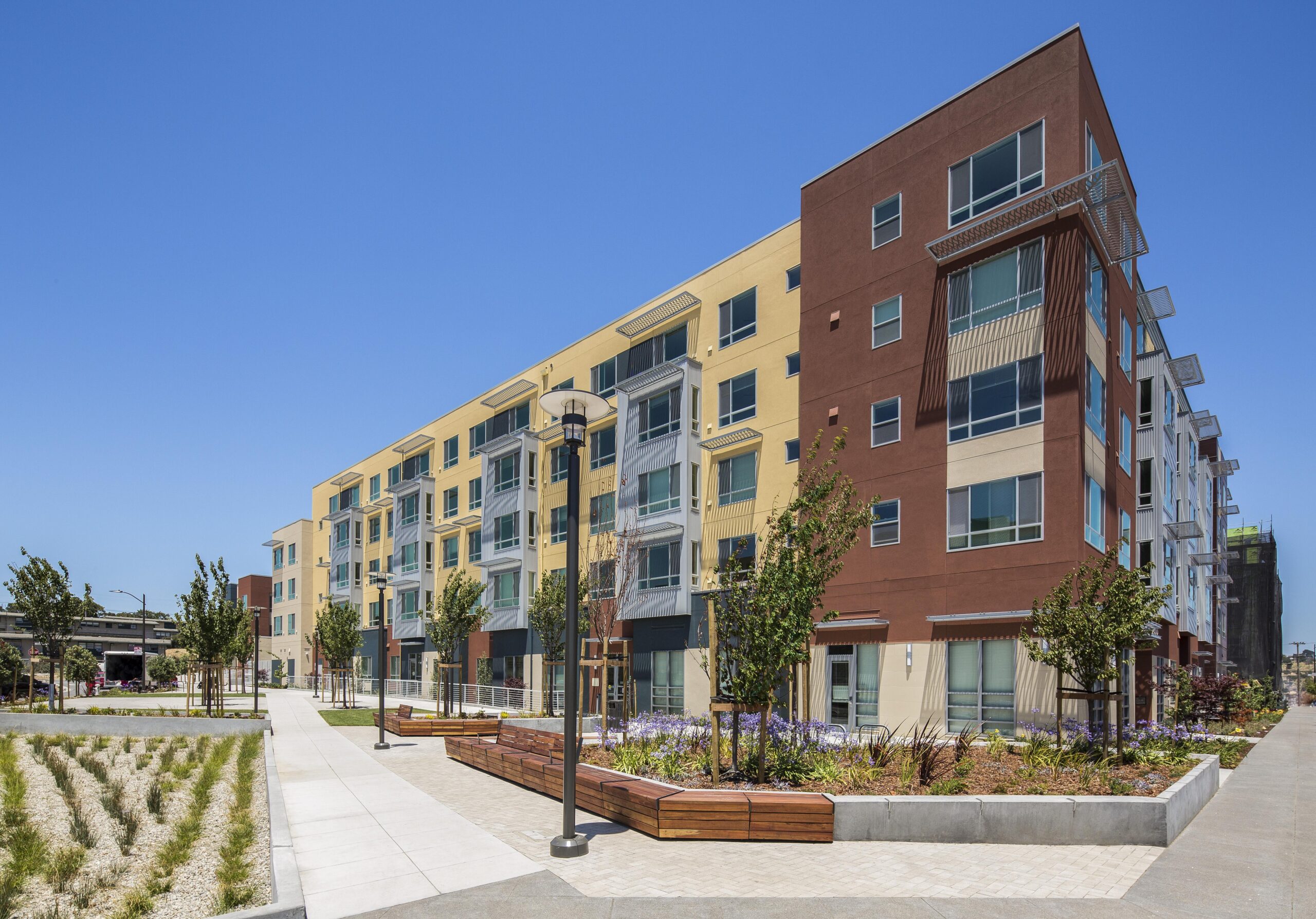
Unpacking the High Costs of Affordable Housing Development in San Francisco
San Francisco faces an ongoing housing affordability crisis, with the cost to build a single affordable housing unit reaching an astonishing $750,000. This figure highlights the multifaceted challenges behind escalating development expenses. A 2020 investigation by The New York Times revealed that a combination of stringent regulations, labor market dynamics, land scarcity, and financing complexities all play pivotal roles in driving these costs upward. For policymakers and housing advocates aiming to alleviate the city’s homelessness and housing shortage, a deep understanding of these cost drivers is essential.
How Regulatory Complexities Inflate Development Expenses
The regulatory landscape in San Francisco is a major contributor to the inflated costs of affordable housing projects. Developers must comply with a labyrinth of zoning restrictions, environmental assessments, and labor regulations. While these rules often serve important public interests, their cumulative effect significantly increases project budgets and timelines.
For example, mandatory environmental impact assessments can delay projects by several years, leading to higher financing charges and postponed occupancy. Additionally, local labor laws often require the employment of unionized workers, who command premium wages and benefits, further escalating costs.
Other regulatory hurdles that add financial pressure include:
- Limits on building height and density that restrict optimal land use
- Costly design review processes and community engagement meetings
- Impact fees levied to support infrastructure upgrades
| Regulatory Category | Effect on Project | Estimated Additional Cost |
|---|---|---|
| Environmental Impact Assessments | Extended timelines and legal expenses | $150,000+ |
| Union Labor Requirements | Increased wages and benefits | $200,000+ |
| Infrastructure Impact Fees | Mandatory contributions for public works | $50,000+ |
Land Costs and Material Prices: The Financial Backbone of Development
Land acquisition represents nearly half of the total cost in affordable housing projects within San Francisco. The scarcity of buildable land in this densely populated city drives prices to premium levels, making it difficult for developers to secure affordable sites. Prime urban locations command especially high prices, which can push project budgets beyond feasible limits for affordable housing.
Construction materials further compound these expenses. San Francisco’s rigorous building codes demand high-grade, durable materials, while recent supply chain disruptions and global shortages have caused sharp price increases for essentials like steel, lumber, and concrete. Developers must also manage the timing of material deliveries carefully to avoid costly project delays.
Labor costs, influenced by union wage standards and safety regulations, add another significant layer to the financial burden.
| Cost Component | Approximate Share of Total Cost |
|---|---|
| Land Acquisition | 45% |
| Materials | 25% |
| Labor and Permitting | 20% |
| Miscellaneous Expenses | 10% |
- Land scarcity: Drives prices to unsustainable heights.
- Material quality demands: Increase premium costs amid supply volatility.
- Union labor wages: Elevate overall labor expenses.
- Supply chain delays: Extend project timelines and inflate budgets.
Labor Market Challenges and Union Regulations Impacting Costs
One of the most pressing issues inflating affordable housing costs in San Francisco is the shortage of skilled construction workers. This scarcity forces developers into competitive bidding for labor, which drives wages higher and prolongs project durations. The shortage of experienced tradespeople slows construction progress, increasing overhead and financing costs.
Moreover, many affordable housing projects are subject to strict union labor requirements. While these rules ensure fair pay and safe working conditions, they also introduce additional costs and operational constraints. Developers must adhere to prevailing wage laws, apprenticeship ratios, and specific work rules, which can limit scheduling flexibility and increase administrative overhead.
| Union Regulation | Cost or Time Impact |
|---|---|
| Prevailing Wage Requirements | Increase labor costs by approximately 15% |
| Apprenticeship Ratio Mandates | Extend project timelines by about 10% |
| Work Rule Limitations | Cause scheduling delays of roughly 8% |
- Limited scheduling flexibility: Restrictions on overtime and shift changes slow progress.
- Increased administrative tasks: Compliance with union regulations requires additional management resources.
Emerging Policies and Construction Innovations to Curb Costs
In response to these challenges, San Francisco officials and developers are pursuing a range of policy reforms and innovative building techniques aimed at reducing the cost of affordable housing. Streamlining the permitting process is a key focus, with efforts to cut bureaucratic delays that traditionally add months and millions to project budgets. Accelerated approvals can significantly reduce carrying costs and speed up occupancy.
Adjustments to zoning laws are also underway, promoting higher-density and mixed-use developments that make better use of scarce land and distribute costs across more units. On the construction front, modular and prefabricated building methods are gaining traction. These approaches shorten construction timelines and reduce labor requirements, leading to substantial savings.
Additionally, the integration of sustainable materials and energy-efficient designs not only lowers long-term operating costs but also aligns with environmental goals, attracting green building incentives.
- Faster permitting: Reduces approval times by up to 30%
- Zoning reforms: Enable increased density and mixed-use projects
- Modular construction: Cuts onsite labor and material waste
- Green building incentives: Decrease operational expenses over time
| Initiative | Estimated Cost Savings | Expected Timeline Reduction |
|---|---|---|
| Permitting Streamlining | Up to 15% | 4-6 months |
| Modular Building Techniques | 20-25% | 2-3 months |
| Zoning Adjustments | Varies by project density | N/A |
| Green Building Incentives | 10-15% operational savings | Neutral |
Looking Ahead: Navigating the Path to Affordable Housing
The $750,000 price tag for constructing a single affordable housing unit in San Francisco underscores a complex interplay of factors—from regulatory burdens and labor market constraints to land scarcity and material costs. Overcoming these obstacles demands collaborative efforts among government agencies, developers, and community groups to simplify regulations, embrace innovative construction methods, and rethink land use policies.
As the city continues to confront its housing shortage and homelessness crisis, gaining a comprehensive understanding of the cost drivers is a vital step toward crafting effective, sustainable solutions that expand access to affordable homes for all residents.