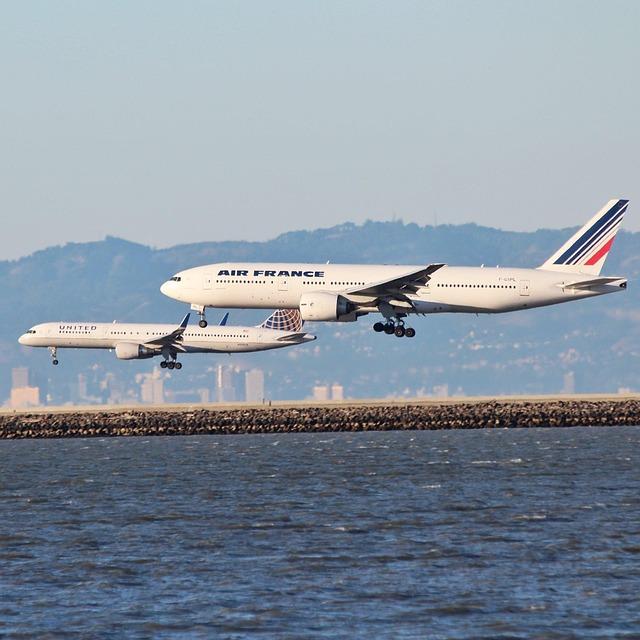
San Francisco International Airport (SFO) travelers may face escalating disruptions as the U.S. government prepares to implement a 10% reduction in air traffic amid ongoing federal shutdown concerns. The planned cutback, aimed at managing limited resources during the funding lapse, threatens to exacerbate delays and cancellations at one of the nation’s busiest hubs. This development raises urgent questions about the impact on passengers and the broader aviation industry during a period of heightened operational strain.
SFO Faces Increased Delays as Federal Air Traffic Reduction Looms
Travelers at San Francisco International Airport (SFO) should brace for extended wait times as federal authorities prepare to implement a significant cut to air traffic operations. The planned 10% reduction in flights is a consequence of budget constraints linked to a looming government shutdown, potentially exacerbating already strained airport logistics. This scaling back is expected to impact peak travel hours most severely, leading to larger queues at security checkpoints, longer taxi times on runways, and widespread schedule disruptions.
Airlines and airport officials are urging passengers to plan ahead and remain flexible with their itineraries. Key impacts to monitor include:
- Increased deplaning times: Passengers may experience delays exiting the aircraft due to congestion on taxiways.
- Reduced flight availability: Fewer domestic and international flights could limit travel options to and from SFO.
- Heightened air traffic control restrictions: Ground and air operations may face stricter controls to manage reduced staffing levels.
| Factor | Expected Impact | Duration |
|---|---|---|
| Flight Reductions | 10% fewer flights daily | Until government funding is restored |
| Security Wait Times | Up to 30% longer queues | Ongoing during peak hours |
| Taxi & Takeoff Delays | Average increase of 15 minutes | Variable, based on traffic load |
Impact on Travelers and Airlines Amid Government Shutdown Efforts
As government shutdown efforts loom, the ripple effects on air travel at San Francisco International Airport (SFO) become increasingly concerning. Passengers face longer wait times, increased delays, and the possibility of canceled flights due to a planned 10% reduction in air traffic capacity nationwide. Airlines are bracing for operational disruptions as essential FAA personnel remain furloughed, leaving traffic control and airport services critically understaffed. This contraction in available flights may force travelers to reconsider their travel plans during peak periods, potentially straining alternative airports in the Bay Area.
Key challenges for travelers and airlines include:
- Extended security and check-in lines
- Reduced availability of customer support services
- Heightened likelihood of flight delays and cancellations
- Difficulty in rebooking and managing itineraries
| Category | Expected Impact |
|---|---|
| Flight Capacity | −10% |
| Average Delay Time | +30 minutes |
| Customer Service Response | Slower |
| Passenger Volume | Moderate Decline |
Key Challenges for San Francisco International Airport Operations
San Francisco International Airport (SFO) is facing significant operational hurdles as the U.S. government plans a drastic 10% reduction in air traffic amid a looming federal shutdown. This unprecedented cut threatens to intensify delays, disrupt flight schedules, and strain airport resources already operating near capacity. The ripple effects may extend to security clearances, baggage handling, and gate management, complicating the passenger experience during peak travel periods.
Among the primary obstacles are:
- Reduced Air Traffic Control Staff: Fewer controllers will slow aircraft movements both on the runway and in controlled airspace.
- Heightened Security Wait Times: A shortage of TSA personnel could prolong passenger screening processes.
- Flight Cancellations and Rebookings: Airlines may face pressure to cancel or reschedule flights more frequently, creating backlogs.
| Impact Area | Potential Consequence |
|---|---|
| Runway Operations | Slower takeoff/landing rates |
| Security Screening | Longer wait times |
| Passenger Flow | Congestion in terminals |
| Baggage Handling | Increased delays and misplaced luggage |
Strategies for Passengers to Mitigate Travel Disruptions During Cutbacks
In the wake of the planned 10% reduction in U.S. air traffic, travelers should proactively manage their itineraries to avoid significant disruptions. Flexibility is key: opt for refundable or changeable tickets whenever possible. Keeping an eye on flight updates via airline apps and official airport channels can provide real-time insights and allow for swift rescheduling. Additionally, arriving early at airports like SFO can mitigate stress caused by longer security lines and potential delays, as cutbacks may strain resources and staffing.
Passengers should also consider alternative routes and modes of transportation, such as connecting flights through less congested hubs or even combining rail and air travel for critical connections. Here are some essential tips for smoother travel:
- Monitor flight status constantly through multiple digital platforms.
- Enroll in airline notification services to receive instant alerts.
- Pack efficiently to avoid checked baggage delays.
- Have backup plans including car rentals or nearby airports.
| Mitigation Strategy | Benefit |
|---|---|
| Early online check-in | Reduces time spent at airport counters |
| Travel light | Faster boarding and less baggage risk |
| Alternative airport options | Increases likelihood of on-time arrival |
| Flexible ticket purchases | Allows for easy rescheduling if flights cancel |
Closing Remarks
As the U.S. government shutdown looms, travelers flying through San Francisco International Airport can expect increased delays and disruptions due to the 10% cut in air traffic capacity. With reduced staffing and operational constraints, the already busy hub faces significant challenges in managing passenger flow and maintaining safety standards. Airlines and travelers alike are urged to stay informed and prepare for potential cancellations and extended wait times as the situation develops. The impact of the shutdown on air travel underscores the widespread consequences federal funding lapses can have on critical infrastructure and services.