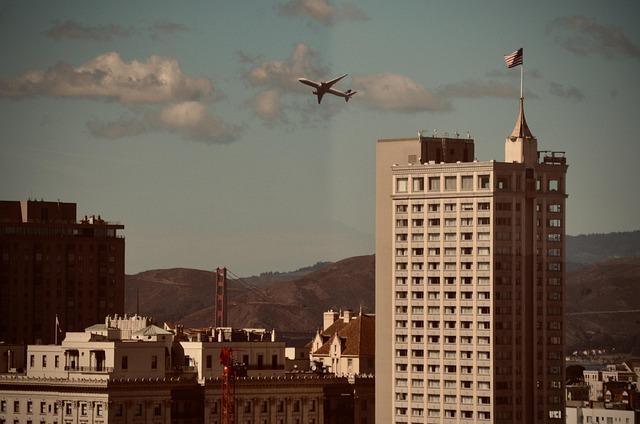
San Francisco Fleet Week Faces Uncertainty Amid Potential Federal Government Shutdown
Government Shutdown Poses Significant Risks to Fleet Week’s Execution and Attendance
As the threat of a federal government shutdown intensifies, San Francisco’s iconic Fleet Week is confronted with unprecedented challenges. This annual event, renowned for its impressive naval displays, thrilling air shows, and military demonstrations, typically attracts hundreds of thousands of visitors to the Bay Area. However, stalled budget talks in Washington, D.C. have cast doubt on the event’s smooth execution. Key federal agencies that coordinate Fleet Week activities may be forced to suspend operations, potentially leading to delays or cancellations of ship arrivals and aerial performances.
The disruption extends beyond entertainment, affecting military training exercises and the local economy, which heavily depends on the influx of tourists and event attendees.
- Decreased military involvement: Naval and Coast Guard vessels might be unable to participate due to furloughs and funding restrictions.
- Event postponements or cancellations: High-profile air demonstrations, such as those by elite flight teams, could be scaled back or called off.
- Economic repercussions: Hospitality, retail, and service industries risk losing millions in revenue generated during Fleet Week.
| Category | Typical Fleet Week | During Shutdown |
|---|---|---|
| Naval Ship Presence | Over 10 vessels docked | Limited to 3-5 ships |
| Air Show Schedule | Daily performances | Likely cancellations |
| Visitor Numbers | 400,000+ | Projected sharp decline |
Economic Impact on San Francisco Businesses Amid Event Uncertainty
San Francisco’s local economy is bracing for a potential downturn as the government shutdown threatens Fleet Week’s continuity. The event is a vital source of income for restaurants, hotels, and retail outlets, which typically see a surge in customers during this period. The looming shutdown has already triggered a wave of reservation cancellations and cautious inventory management, underscoring the vulnerability of businesses reliant on this annual influx.
Economic analysts highlight several critical risks associated with the event’s disruption:
- Reduced tourism spending: A decline in visitors will negatively affect transportation services and hospitality sectors.
- Supply chain interruptions: Seasonal merchandise shortages and increased costs may arise due to disrupted deliveries.
- Employment instability: Temporary workers and contractors hired specifically for Fleet Week face job insecurity.
| Industry | Estimated Revenue Loss (%) | Primary Concerns |
|---|---|---|
| Hospitality | 25% | Booking cancellations, lower occupancy rates |
| Retail | 18% | Decreased foot traffic, excess inventory |
| Transportation | 20% | Fewer riders, lost fare revenue |
Calls for Strategic Contingency Plans from Military and Civic Authorities
In light of the looming shutdown, San Francisco’s military and civic leaders are advocating for proactive contingency strategies to safeguard Fleet Week. Celebrated for its vibrant naval exhibitions and community engagement, the event is both a cultural hallmark and an economic engine. Officials emphasize the necessity of securing alternative funding and operational plans to maintain the event’s integrity despite federal uncertainties.
Proposed contingency measures include:
- Ensuring availability of funding and personnel regardless of federal shutdown status
- Collaborating with private sector partners and veteran groups to support event logistics
- Maintaining robust public safety protocols and logistical coordination
- Guaranteeing access to essential military assets such as ships and aircraft
| Area of Impact | Potential Challenge | Proposed Solution |
|---|---|---|
| Military Involvement | Limited deployment of vessels and personnel | Emergency clearances from defense authorities |
| Funding | Halted federal grants | Securing private sponsorships and contingency reserves |
| Public Safety | Reduced federal agency coordination | Enhanced local law enforcement and emergency planning |
Community Initiatives Emphasize Joint Funding and Transparent Communication
Responding to the uncertainty, community stakeholders and local organizations are championing a collaborative funding model to preserve the spirit and economic benefits of Fleet Week. By combining resources from private donors, municipal budgets, and federal contingency funds, the goal is to offset potential federal shortfalls and maintain critical event operations.
Equally important is the implementation of clear and consistent communication strategies to keep the public informed and engaged. Event coordinators plan to utilize multiple channels to manage expectations and provide timely updates on any schedule changes or modifications to activities.
- Regular updates via official social media platforms
- Partnerships with local media for live coverage and announcements
- Community forums to address public concerns and gather input
- On-site signage and staff to assist attendees effectively
| Funding Source | Role in Support | Current Status |
|---|---|---|
| Private Sponsors | Lead financial contributors | Negotiations underway |
| City Government | Supplementary local funding | Approved and allocated |
| Federal Contingency Funds | Backup funding source | Pending final decision |
Summary: Navigating Fleet Week Through Federal Uncertainty
With the possibility of a federal government shutdown looming, San Francisco’s Fleet Week faces an uncertain future. This cherished event, which annually attracts thousands and celebrates naval heritage, now depends on swift resolutions in Washington to avoid disruption. Local leaders and organizers remain vigilant, preparing contingency plans to protect both the event’s cultural significance and its economic contributions. The situation underscores how federal policy decisions can profoundly affect communities nationwide, influencing traditions and livelihoods far beyond the capital. Updates will continue as the story develops.