Remarkable Coyote Swim to Alcatraz Island Redefines Urban Wildlife Adaptability
Unexpected Aquatic Journey Challenges Perceptions of Coyote Behavior
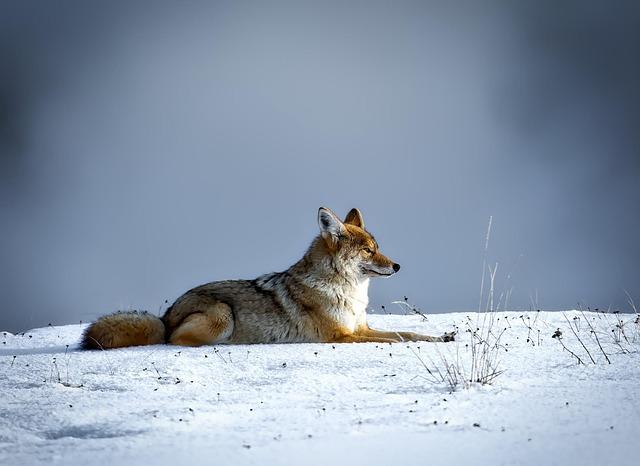
In a surprising display of endurance and adaptability, a coyote was recently observed swimming across the turbulent waters of San Francisco Bay to reach Alcatraz Island. This extraordinary event, documented by wildlife specialists and reported by The Guardian, overturns long-held beliefs about the species’ limitations near urban aquatic environments. Known primarily for their terrestrial agility and cunning, this lone coyote’s 1.25-mile swim through cold, choppy waters highlights a remarkable physical and navigational capability that had not been previously recorded.
Experts noted the animal’s ability to maneuver through strong currents and waves, indicating an innate spatial awareness despite the unfamiliar and challenging aquatic setting. This incident prompts a reevaluation of coyote behavioral ecology, particularly regarding their expanding presence in metropolitan coastal zones.
Key Insights into Coyote Adaptation and Endurance
This unprecedented swim offers valuable insights into the species’ resilience and resourcefulness. Researchers suggest several motivating factors and implications:
- Environmental Flexibility: Coyotes demonstrate the capacity to thrive in diverse habitats, including aquatic crossings once thought unsuitable.
- Survival Strategies: The swim may have been driven by the pursuit of food, shelter, or evasion of territorial conflicts on the mainland.
- Physical Stamina: The feat reveals unexpected swimming endurance and cold-water tolerance.
| Parameter | Details |
|---|---|
| Distance Covered | Approximately 1.25 miles |
| Water Temperature | Around 53°F (12°C) |
| Environmental Hazards | Strong currents, cold exposure, fatigue |
| Terrain on Alcatraz | Low elevation with rugged features |
San Francisco Bay’s Aquatic Obstacles: A Test for Wildlife Swimmers
San Francisco Bay is notorious for its challenging aquatic conditions, posing significant risks to both humans and animals attempting to traverse its waters. The bay’s cold temperatures, averaging between 50-55°F (10-13°C), combined with unpredictable tidal currents and surface turbulence from wind and boat traffic, create a hostile environment for swimmers. These factors demand exceptional physical endurance and instinctive navigation skills from any animal attempting such a crossing.
The coyote’s successful swim underscores the remarkable adaptability of urban wildlife facing these natural barriers. Key challenges include:
- Hypothermia Risk: Prolonged exposure to cold water can impair muscle function and survival.
- Strong Tidal Flows: Currents reaching speeds up to 6 knots increase energy demands and complicate navigation.
- Surface Instability: Wind and boat wakes create rough conditions that hinder steady swimming.
- Distance: Sustained effort is required to cover the 1.25-mile stretch to Alcatraz.
| Challenge | Description | Effect on Swimmers |
|---|---|---|
| Cold Water | Temperatures near 52°F (11°C) | Risk of hypothermia and muscle fatigue |
| Strong Currents | Tidal speeds up to 6 knots | Increased energy use and navigation difficulty |
| Surface Turbulence | Wind and boat wakes | Unstable swimming conditions |
| Distance | Approx. 1.25 miles | Requires sustained swimming endurance |
Urban Wildlife Expanding into Coastal Zones: Ecological and Management Implications
The coyote’s aquatic journey highlights a broader trend of urban wildlife adapting to coastal ecosystems, revealing new dimensions of their resilience and behavioral plasticity. As these animals increasingly explore marine-adjacent habitats, they encounter novel challenges and opportunities that influence their survival and interactions with humans and native species.
This shift has several important consequences for biodiversity and urban planning:
- Altered Predator-Prey Relationships: Coastal areas offer fresh hunting grounds and refuge, potentially disrupting existing ecological balances.
- Increased Human-Wildlife Encounters: Proximity to waterfront recreational spaces may lead to more frequent interactions, necessitating updated management approaches.
- Conservation Complexity: Protection strategies must consider expanded ranges and the physical capabilities of urban-adapted species.
| Factor | Effect | Management Considerations |
|---|---|---|
| Movement Patterns | Extended aquatic and terrestrial ranges | Enhanced monitoring and tracking systems |
| Habitat Utilization | Use of tidal zones and rocky shorelines | Adaptation of habitat protection policies |
| Population Dynamics | Shifts in urban wildlife distribution | Revision of ecological models and conservation plans |
Strategies for Safeguarding Wildlife in Hazardous Aquatic Environments
Ensuring the well-being of wildlife navigating perilous waterways requires comprehensive and proactive measures. Regular monitoring of water quality is essential to detect pollutants and other hazards that could compromise animal health. The deployment of sensor networks along busy aquatic corridors can facilitate real-time tracking of wildlife movements, enabling timely interventions when animals are at risk. Public education campaigns play a crucial role in fostering community involvement, encouraging citizens to report sightings of distressed or endangered animals.
Physical infrastructure improvements can further mitigate risks, including:
- Establishing designated safe crossing points or wildlife corridors in areas with strong currents.
- Installing floating barriers to prevent animals from drifting into dangerous zones.
- Enhancing natural vegetation buffers to provide shelter and reduce shoreline erosion.
| Focus Area | Recommended Action | Anticipated Outcome |
|---|---|---|
| Water Quality | Routine testing and pollution control | Healthier aquatic habitats |
| Habitat Protection | Vegetation buffers and wildlife corridors | Improved shelter and connectivity |
| Community Involvement | Education and wildlife reporting programs | Faster response to animal distress |
| Physical Barriers | Floating barriers at high-risk locations | Reduced accidental waterway entry |
Looking Ahead: Understanding Urban Wildlife in Evolving Landscapes
The coyote’s daring swim to Alcatraz Island has captivated scientists and the public alike, offering a vivid example of urban wildlife’s unexpected capabilities. As research continues in the San Francisco Bay region, this event underscores the dynamic relationship between human development and natural ecosystems. Future investigations will likely deepen our understanding of how animals adapt to increasingly complex urban and coastal environments, emphasizing the importance of informed conservation strategies that accommodate these evolving behaviors.