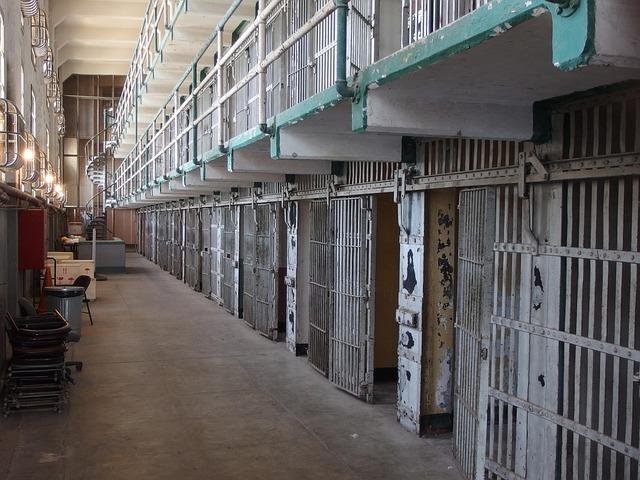
The Closure of Alcatraz: Unraveling the Factors Behind the End of an Iconic Prison
Alcatraz’s Legacy and the Dawn of Its Closure
Alcatraz Federal Penitentiary, perched on a rugged island in San Francisco Bay, was once synonymous with impenetrable security and housed some of the most notorious criminals in U.S. history. However, in 1963, this legendary prison ceased operations, closing a chapter marked by strict isolation and high-security confinement. This article delves into the multifaceted reasons behind Alcatraz’s shutdown, including soaring operational expenses, deteriorating infrastructure, and evolving federal correctional policies, as highlighted in recent PBS documentaries.
Escalating Costs: Why Alcatraz Became Financially Unsustainable
Initially, Alcatraz’s island location was a strategic advantage, deterring escape attempts. Over time, however, this isolation became a costly liability. The logistics of transporting supplies-ranging from food and fuel to medical necessities-required specialized boats navigating challenging waters, inflating expenses dramatically. Daily deliveries were essential, and the cumulative costs quickly overwhelmed the federal budget.
Moreover, the prison’s infrastructure suffered relentless wear from the salty marine environment, necessitating continuous and costly repairs to combat corrosion and structural decay. Energy demands were also substantial, with the facility requiring constant heating and lighting to maintain operations in the damp, foggy climate.
Staffing costs further exacerbated financial pressures. Compared to mainland prisons, Alcatraz required more personnel per inmate, driving up labor expenses. Emergency response and transportation delays added layers of complexity and cost, occasionally disrupting prison functions.
| Cost Category | Annual Expense at Alcatraz | Annual Expense at Mainland Prison |
|---|---|---|
| Supply Transportation | $520,000+ | $160,000 |
| Staffing (per inmate) | $3,200 | $1,900 |
| Facility Upkeep | $620,000 | $270,000 |
- Energy usage was significantly higher due to the need for continuous climate control and lighting.
- Emergency services incurred extra costs because of the island’s remote location.
- Supply chain interruptions occasionally caused shortages, impacting daily operations.
By the early 1960s, these mounting financial challenges rendered Alcatraz’s operational model impractical, prompting federal authorities to reconsider its viability.
Challenging Work Environment: The Toll on Alcatraz Staff
Life for correctional officers and their families on Alcatraz was marked by relentless hardship. The island’s harsh weather-characterized by dense fog, biting winds, and damp conditions-combined with the psychological strain of guarding high-risk inmates, created a taxing environment. Housing was cramped and austere, offering little comfort or access to mainland amenities, which further contributed to low morale.
Several key factors contributed to the high attrition rates among Alcatraz personnel:
- Psychological strain: Constant vigilance against escape attempts and managing dangerous inmates took an emotional toll.
- Geographic isolation: Prolonged separation from family and social networks on the mainland.
- Severe climate: Exposure to harsh weather with minimal recreational outlets.
- Limited advancement: Few opportunities for career progression within the demanding environment.
| Year | Staff Turnover Rate (%) |
|---|---|
| 1955 | 28 |
| 1958 | 35 |
| 1962 | 42 |
Federal Prison Reform and Its Impact on Alcatraz’s Demise
During the 1960s, the Bureau of Prisons began prioritizing modernization, cost-effectiveness, and rehabilitation over mere containment. This policy shift clashed with Alcatraz’s outdated design, which focused primarily on isolation rather than inmate reform. Newer facilities on the mainland incorporated advanced security technologies and offered programs aimed at reducing recidivism, areas where Alcatraz lagged significantly.
Key elements influencing this policy evolution included:
- Accelerated deterioration of Alcatraz’s infrastructure due to its marine environment.
- Development of alternative prisons with modern amenities and rehabilitative services.
- Increasing public and political advocacy for humane prison conditions.
- Budgetary strategies favoring mainland institutions over costly island operations.
| Policy Focus | Effect on Alcatraz |
|---|---|
| Cost Efficiency | Maintenance expenses were triple those of mainland prisons |
| Rehabilitation Programs | Facility lacked spaces for education and therapy |
| Security Innovations | Mainland prisons adopted advanced surveillance systems |
| Political Will | Support shifted toward expanding continental prison infrastructure |
Strategies for Preserving Alcatraz as a Cultural and Historical Treasure
Preserving Alcatraz Island is essential to maintaining its role as a powerful symbol of American penal history. Sustainable management of tourism is critical to protect the site from environmental degradation and overuse. Measures such as regulating visitor numbers during peak periods, enhancing educational tours, and investing in erosion control infrastructure are vital. Collaborations with Indigenous communities, historians, and environmental scientists can enrich preservation efforts and ensure a holistic approach.
Recommended preservation initiatives include:
- Applying cutting-edge restoration methods to stabilize aging buildings and pathways.
- Expanding educational outreach to present a nuanced narrative beyond Alcatraz’s reputation as a maximum-security prison.
- Developing virtual tours and digital archives to increase accessibility while minimizing physical impact.
- Securing dedicated funding from federal and private sources for ongoing maintenance and research.
| Preservation Focus | Recommended Actions | Anticipated Benefits |
|---|---|---|
| Structural Preservation | Reinforce buildings and visitor pathways | Enhanced safety and longevity |
| Environmental Conservation | Manage erosion and control invasive species | Protection of native ecosystems |
| Educational Enhancement | Expand interpretive programs and digital content | Greater public engagement and understanding |
Reflecting on Alcatraz’s Closure and Legacy
The shutdown of Alcatraz in 1963 signified the conclusion of a distinctive chapter in American corrections history. As explored in the comprehensive PBS documentary, the interplay of soaring operational costs, aging infrastructure, and a paradigm shift in penal philosophy culminated in the prison’s closure. Today, Alcatraz endures as a poignant historical landmark, offering insights into past penal practices and the ongoing evolution of the U.S. criminal justice system.