Nationwide Uprising Against U.S. Military Intervention in Venezuela
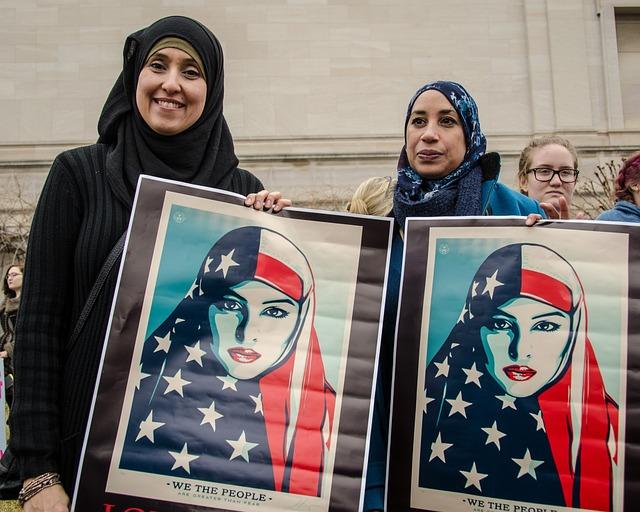
Across numerous American cities, large-scale protests have ignited in response to the Trump administration’s contemplated military involvement in Venezuela. Citizens from various backgrounds-including activists, local leaders, and concerned residents-have mobilized to denounce what they perceive as a provocative and destabilizing foreign policy move in an already fragile South American nation. These demonstrations highlight the polarized views within the U.S. regarding interventionist strategies and the ongoing Venezuelan crisis.
Central messages voiced by protesters emphasized:
- Respect for sovereignty: Advocating for Venezuela’s right to self-determination without external military interference.
- Prioritizing humanitarian aid: Urging the U.S. government to focus on delivering essential support rather than escalating conflict.
- Promotion of diplomatic channels: Calling for sustained dialogue and negotiation as alternatives to armed engagement.
| City | Approximate Attendance | Core Message |
|---|---|---|
| Chicago | 6,000+ | End military threats |
| Houston | 3,800+ | Peaceful resolution now |
| Atlanta | 4,200+ | Support Venezuelan civilians |
Humanitarian Concerns Amplify Amid Protests
In city centers and public squares nationwide, protesters have voiced profound apprehension about the humanitarian consequences of potential U.S. military action in Venezuela. Many emphasize that armed conflict could exacerbate the dire conditions faced by Venezuelans, who are already enduring severe shortages of food, medicine, and essential services. Placards bearing slogans like “Diplomacy Over War” and “Protect Human Lives” reflect widespread anxiety that political agendas may overshadow urgent humanitarian needs.
Highlighted humanitarian risks include:
- Mass migration: Escalating violence could trigger a refugee surge, placing additional pressure on neighboring countries and U.S. border systems.
- Healthcare crises: Disruptions to aid delivery may worsen medical shortages, disproportionately affecting vulnerable groups such as children and the elderly.
- Economic deterioration: Military conflict and sanctions threaten to deepen Venezuela’s economic collapse, increasing poverty and food insecurity.
- Civilian harm: The likelihood of non-combatant casualties raises ethical and moral concerns among protesters and human rights advocates.
| Humanitarian Issue | Potential Consequences |
|---|---|
| Forced Displacement | Millions fleeing, creating regional humanitarian emergencies |
| Medical Supply Shortages | Increased deaths from treatable illnesses |
| Economic Collapse | Worsening hunger and poverty levels |
| Civilian Casualties | Loss of innocent lives and long-term trauma |
Regional Experts Sound Alarm on Potential Instability
As the prospect of U.S. military involvement in Venezuela looms, analysts and regional experts caution about the broader destabilizing effects this could have throughout Latin America. They warn that increased militarization risks intensifying existing conflicts, worsening economic hardships, and sparking social unrest. Key concerns include:
- Spread of armed conflict: Violence could spill over into neighboring countries, complicating diplomatic efforts and regional security.
- Humanitarian emergencies: Heightened displacement and shortages of critical resources may overwhelm local and international aid systems.
- Global economic repercussions: Disruptions in Venezuela’s oil production could lead to volatile energy markets and supply chain challenges worldwide.
Latin American governments have largely urged restraint, advocating for peaceful negotiations over military action. The table below summarizes official positions and anticipated impacts in key countries:
| Country | Official Position | Expected Consequences |
|---|---|---|
| Chile | Calls for peaceful dialogue | Potential refugee influx |
| Uruguay | Neutral stance, monitoring situation | Trade disruptions |
| Ecuador | Supports diplomatic solutions | Border security concerns |
| Panama | Opposes military intervention | Increased humanitarian aid needs |
| Bolivia | Advocates UN mediation | Risk of political instability |
Advocating Peaceful Dialogue to Avert Conflict
In light of mounting tensions, a broad coalition of activists, policymakers, and international observers stress the critical importance of diplomatic engagement over military intervention. They argue that open communication and negotiation offer the best path forward to resolve Venezuela’s political and economic turmoil without exacerbating human suffering or regional instability. Respecting Venezuela’s sovereignty while addressing core issues through peaceful means remains a central tenet of these calls.
Proposed approaches to foster constructive dialogue include:
- Inclusive multilateral negotiations: Engaging Latin American nations alongside global organizations to ensure broad-based participation.
- Confidence-building initiatives: Measures designed to build trust between conflicting parties and reduce tensions.
- Humanitarian aid agreements: Ensuring that assistance reaches civilians impartially and without political conditions.
| Participant | Role in Peace Process | Anticipated Result |
|---|---|---|
| U.S. Government | Lead diplomatic efforts and offer incentives | De-escalation of military threats |
| Venezuelan Opposition Groups | Engage in political dialogue | Progress toward democratic reforms |
| Regional Bodies (e.g., OAS, UN) | Facilitate mediation and conflict resolution | Enhanced regional stability |
Conclusion: Pathways to Peace and Stability
As protests continue to ripple through American cities, the debate over the U.S. approach to Venezuela remains intensely divisive, reflecting broader disagreements about interventionism and foreign policy. The government’s response to this growing public opposition will be closely scrutinized, with significant implications for future U.S. engagement in Latin America. Navigating this complex situation demands careful balancing of geopolitical interests, humanitarian concerns, and respect for national sovereignty to foster lasting peace and stability in the region.