
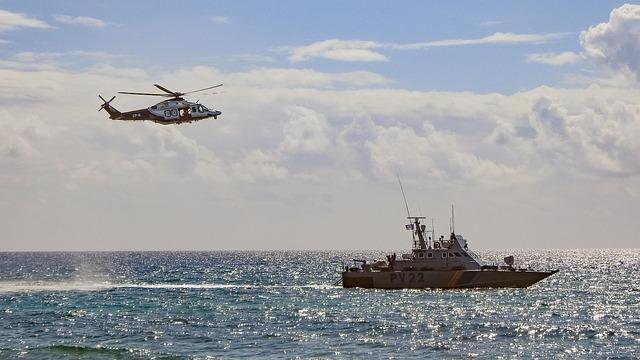
The United States Coast Guard successfully rescued eight mariners from a distressed sailboat near San Francisco, highlighting their ongoing commitment to maritime safety along the West Coast. The incident, which unfolded in challenging conditions, underscores the vital role the Coast Guard plays in responding swiftly to emergencies at sea. This report details the circumstances of the rescue operation and the agencies involved in ensuring the crew’s safe return to shore.
Coast Guard Responds Swiftly to Sailboat Emergency Near San Francisco
In a prompt and coordinated operation, the United States Coast Guard rescued eight mariners from a distressed sailboat approximately 12 miles off the coast of San Francisco. The crew reported mechanical failure amid deteriorating weather conditions, which prompted immediate deployment of a Coast Guard response team. Utilizing advanced maritime technology and expert search-and-rescue tactics, the team quickly located the vessel and safely evacuated all individuals without injury. The incident highlights the Coast Guard’s unwavering commitment to maritime safety and swift action in emergency scenarios.
Key elements of the response included:
- Rapid mobilization: Rescue units were dispatched within minutes of the distress signal.
- Effective communication: Continuous coordination between the Coast Guard command center, the sailboat crew, and nearby vessels.
- Seamless execution: Deployment of rescue swimmers and hoisting operations ensuring secure transfer to the Coast Guard cutter.
| Rescue Details | Information |
|---|---|
| Distance from shore | 12 miles |
| Number of rescued | 8 mariners |
| Weather conditions | Deteriorating |
| Response time | Under 20 minutes |
Challenges Faced During the Rescue Operation in Rough Sea Conditions
Strong gusts and turbulent waves posed significant hurdles throughout the Coast Guard’s mission. The unpredictable motion of the sailboat made it difficult for rescuers to establish a stable connection, requiring constant adjustments to positioning and timing. Visibility was also substantially compromised due to heavy spray and shifting fog banks, making coordination between the rescue vessels and helicopters critical but challenging.
Key factors that intensified the complexity of the rescue included:
- Powerful currents: Complicated navigation and anchoring efforts near the rocky shoreline.
- High sea swells: Increased the risk of injury during transfer operations.
- Unstable weather: Required rapid decision-making under pressure as conditions shifted.
| Challenge | Operational Impact |
|---|---|
| Strong Winds | Reduced helicopter stability; complicated crew transfers |
| Poor Visibility | Delayed vessel coordination; increased risk during search phases |
| Rough Seas | Heightened danger of personnel falling overboard; challenging boat maneuvering |
Safety Protocols for Mariners Navigating Coastal Waters
Operating in coastal waters demands heightened awareness and strict adherence to established safety measures. Mariners are urged to maintain constant communication with the Coast Guard and update their position regularly, especially when weather conditions deteriorate unexpectedly. Essential safety equipment-including life jackets, emergency position-indicating radio beacons (EPIRBs), and flares-must be checked and accessible at all times to ensure readiness during emergency situations. Vigilance during navigational operations can drastically reduce risks posed by heavy maritime traffic and sudden changes in sea state.
Prudent preparation before setting sail can prevent most emergencies encountered near busy coastal areas such as San Francisco Bay. Mariners should conduct a thorough pre-departure checklist, incorporating:
- Verification of weather forecasts and tide schedules
- Review of navigational charts pinpointing known hazards
- Testing all onboard communication and safety signals
Additionally, understanding the Coast Guard’s recommended response protocols-including when and how to initiate distress calls-can be life-saving. The table below outlines critical safety practices for mariners navigating coastal waters:
| Safety Item | Recommended Practice |
|---|---|
| Life Jackets | Wear at all times or keep within immediate reach |
| Communication | Maintain radio watch on designated channels |
| Emergency Beacons | Ensure functioning before departure |
| Weather Monitoring | Check updates frequently during voyage |
| Route Planning | Avoid restricted or hazardous zones |
Recommendations for Enhancing Emergency Preparedness on Recreational Vessels
To minimize risks and improve outcomes during maritime emergencies, vessel operators must prioritize the implementation of comprehensive safety measures. This includes regular maintenance checks on all lifesaving equipment, ensuring the functionality of communication devices, and conducting mandatory safety drills with all crew members. Equipping recreational boats with updated GPS trackers and AIS (Automatic Identification System) devices significantly enhances location accuracy, expediting rescue operations when distress signals are issued. Additionally, clear understanding and adherence to weather advisories remain crucial to avoid hazardous situations at sea.
Further attention should be given to educating mariners about emergency protocols and survival techniques. A practical checklist is recommended, covering key preparedness steps:
- Verify all safety gear: life jackets, flares, fire extinguishers.
- Establish a communication plan: designated emergency contacts and VHF radio channels.
- Conduct regular crew training: man-overboard drills and first aid response.
- Implement pre-departure safety briefings: ensuring everyone understands their role.
| Item | Recommended Frequency | Responsible Party |
|---|---|---|
| Life Jacket Inspection | Monthly | Captain |
| Communication Device Test | Before Departure | Operator |
| Safety Drill | Quarterly | Crew |
| Fire Extinguisher Check | Biannually | Maintenance Team |
Future Outlook
The U.S. Coast Guard’s swift response and coordinated rescue efforts underscore their unwavering commitment to maritime safety along the California coast. As investigations continue into the circumstances surrounding the incident, authorities remind all mariners to prioritize safety measures and remain vigilant while at sea. The successful rescue of all eight individuals serves as a testament to the effectiveness of ongoing Coast Guard preparedness and community partnerships in safeguarding lives on the water.