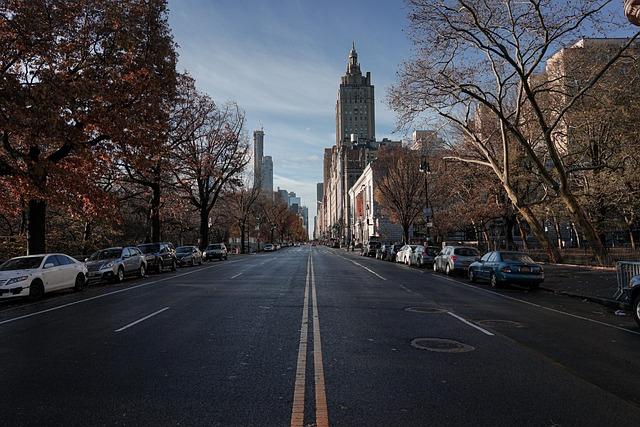
Reimagining America’s Most Vacant Downtown: Challenges and Pathways to Renewal
In 2022, The New York Times highlighted a remarkable urban crisis: the emptiest downtown district in the United States. Once a thriving center of commerce and social life, this area now confronts severe vacancies and economic stagnation. As cities nationwide adjust to evolving work habits, retail disruptions, and the lingering effects of the COVID-19 pandemic, the pressing question remains: what future awaits these struggling urban cores? This article delves into the causes behind this steep decline, examines ongoing revitalization efforts, and considers the broader lessons for American downtowns navigating rapid transformation.
Post-Pandemic Urban Revival: Breathing New Life into City Centers
Across the country, downtown districts that once buzzed with activity now bear the visible marks of pandemic-induced upheaval. Revitalizing these urban hubs demands a comprehensive strategy that blends innovation with collaboration. Public-private alliances are at the forefront, converting empty office buildings into affordable residences and community hubs. Simultaneously, investments in outdoor infrastructure-such as expanded pedestrian zones, pocket parks, and greenways-are reshaping these spaces into welcoming environments that encourage social interaction and economic vitality. Together, these efforts aim to shift downtowns from deserted business districts into dynamic, livable neighborhoods.
Core tactics fueling this resurgence include:
- Supporting local entrepreneurs: Financial incentives like grants and tax breaks empower small businesses to flourish and innovate.
- Adopting flexible zoning policies: Relaxed regulations facilitate mixed-use developments that integrate housing, retail, and cultural venues.
- Enhancing public transportation: Improved transit options reduce car dependency and increase accessibility for diverse populations.
| Initiative | Current Progress | Expected Outcome |
|---|---|---|
| Conversion of Offices to Residential Units | In Progress | 2,500+ New Homes by End of 2024 |
| Expansion of Pedestrian-Friendly Zones | Planned | 30% Increase in Foot Traffic |
| Small Business Support Fund | Active | Backing Over 150 Startups |
Confronting Economic and Social Hurdles in Downtown Revitalization
Reviving America’s most deserted downtown requires addressing intertwined economic and social challenges. Urban planners and community advocates emphasize a balanced approach that stimulates business growth while tackling persistent issues like homelessness and public safety. Economic incentives, including tax relief for startups relocating downtown, are paired with expanded social programs offering mental health services and affordable housing. This dual focus aims to rebuild a thriving urban core that attracts both residents and visitors.
Priority areas include:
- Developing mixed-use neighborhoods: Combining living, working, and recreational spaces to foster community bonds.
- Enhancing collaboration: Strengthening ties between law enforcement, social services, and advocacy groups to improve safety comprehensively.
- Implementing workforce development: Training programs tailored for workers displaced by downtown industry closures.
- Promoting arts and culture: Supporting creative initiatives that activate vacant storefronts and public areas.
| Issue | Solution | Immediate Benefit |
|---|---|---|
| Elevated Unemployment | Job training and placement programs | Lowered joblessness rates |
| Homelessness | Emergency shelters and outreach services | Enhanced community safety |
| Vacant Commercial Spaces | Tax incentives and artist residencies | Revitalized retail fronts |
Forward-Thinking Approaches to Sustainable Urban Renewal
City planners and officials are increasingly embracing innovative methods that transcend conventional redevelopment. Central to these efforts is community involvement, transforming empty lots and buildings into multifunctional spaces rather than isolated commercial zones. Green infrastructure-such as urban farms, rain gardens, and permeable pavements-not only addresses environmental concerns but also strengthens neighborhood ties. Adaptive reuse projects convert neglected structures into affordable housing, co-working hubs, and cultural venues, bridging economic revitalization with sustainability objectives.
Integrating technology and smart urban design is also pivotal for long-term success. Mixed-use zoning promotes walkability and reduces car reliance, while renewable energy installations help lower the carbon footprint of revitalized districts. The table below outlines key strategies gaining traction in contemporary urban renewal:
| Strategy | Goal | Illustrative Example |
|---|---|---|
| Community Land Trusts | Ensure long-term affordable housing | Shared equity housing in Portland, OR |
| Green Corridors | Enhance environmental resilience and recreation | Urban trails featuring native flora in Austin, TX |
| Mixed-Use Zoning | Boost walkability and economic diversity | Live-work developments in Minneapolis, MN |
| Adaptive Reuse | Repurpose abandoned buildings | Warehouse-to-loft conversions in Baltimore, MD |
Empowering Communities: The Heart of Downtown Transformation
The success of downtown revitalization hinges on meaningful engagement from residents, entrepreneurs, and civic leaders. Recent projects have prioritized inclusive forums and workshops, ensuring redevelopment reflects diverse community voices. This participatory model recognizes that sustainable urban renewal extends beyond physical improvements, embedding social cohesion and shared stewardship into the city’s fabric.
Effective community engagement tactics include:
- Temporary activations: Pop-up art installations and markets enliven vacant spaces.
- Collaborative planning: Transparent dialogues between planners and citizens shape redevelopment.
- Neighborhood ambassador programs: Local liaisons foster ongoing communication and trust.
| Engagement Activity | Outcome | Participation Rate |
|---|---|---|
| Street Art Festivals | Increased pedestrian presence | 75% |
| Community Planning Workshops | Robust local input | 62% |
| Pop-up Retail Markets | Revived commercial activity | 80% |
Looking Ahead: Lessons from America’s Most Vacant Downtown
As urban centers nationwide confront evolving work trends and shifting priorities, the experience of America’s emptiest downtown serves as both a cautionary tale and a beacon of hope. While significant obstacles remain-ranging from economic recovery to reimagining public spaces-the ongoing initiatives demonstrate a commitment to reinvention rather than retreat. The coming years will be critical in determining whether these strategies can successfully convert urban desolation into vibrant, inclusive communities, offering valuable insights for cities facing similar post-pandemic challenges.