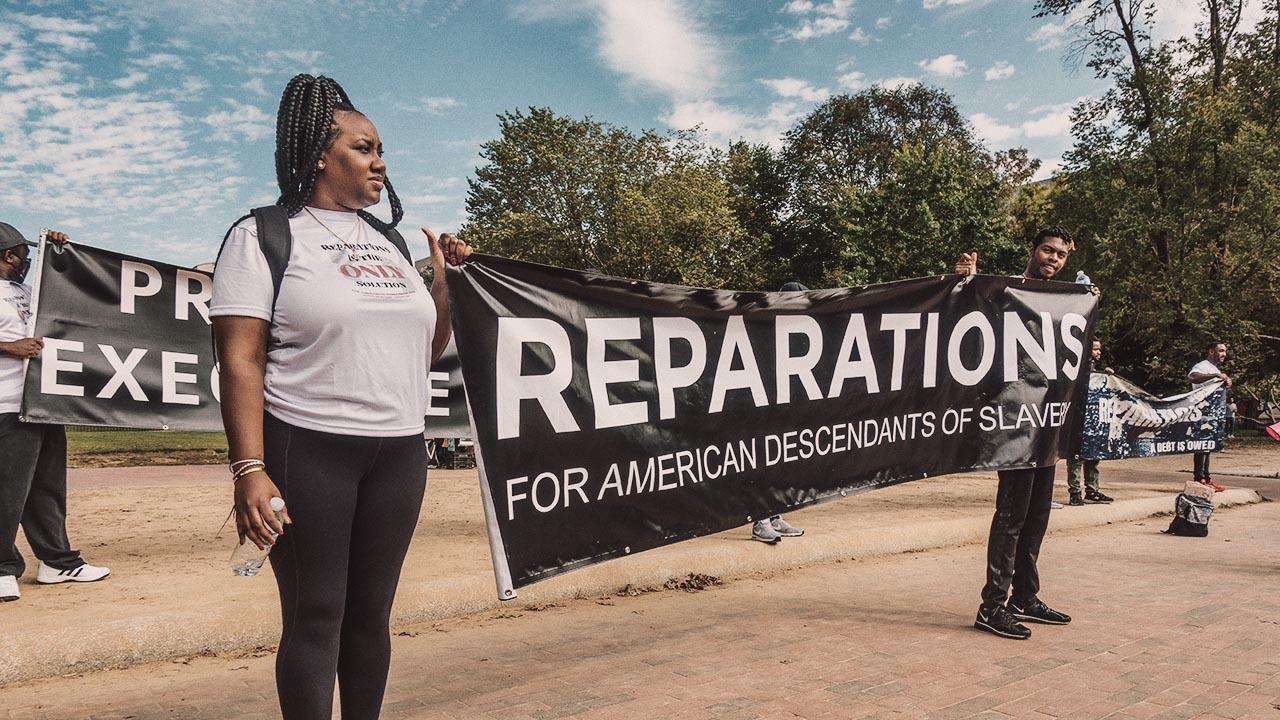
In recent decades, San Francisco has witnessed a dramatic shift in its demographic landscape, with long-standing Black communities increasingly displaced by rising housing costs and gentrification. As city officials and activists explore various remedies to address these historic injustices, the conversation around reparations has gained fresh momentum. The New York Times’ 2023 report delves into whether reparations—financial compensation and community investments aimed at rectifying the enduring impacts of systemic racism—could play a pivotal role in encouraging Black residents to return to the city. This article examines the complexities surrounding the proposal, its potential impact on San Francisco’s social fabric, and the broader implications for urban restoration and racial equity.
San Francisco’s Black Exodus A Complex Historical Context
San Francisco’s Black population has sharply declined over the past five decades, a phenomenon rooted in an intricate web of social, economic, and political factors. Once constituting nearly 13% of the city’s residents in the 1970s, Black San Franciscans have dwindled to less than 6% today. The exodus is closely tied to historical injustices such as discriminatory housing policies, urban renewal projects that displaced communities, and economic shifts that priced many out of their neighborhoods. Furthermore, rising living costs and gentrification have disproportionately impacted Black families, effectively eroding long-standing cultural hubs within the city.
Understanding this trend requires acknowledging systemic barriers that have limited opportunities for Black residents. Key contributors include:
- Redlining and restrictive covenants: These practices stifled homeownership and generational wealth accumulation.
- Job displacement: The decline of manufacturing and blue-collar employment sectors in the region.
- Mass incarceration: Policies that disrupted family structures and community cohesion.
- Inflated housing market: Skyrocketing rents and property taxes pushing residents outward.
| Year | Black Population (%) | Median Rent (USD) |
|---|---|---|
| 1970 | 12.7% | $150 |
| 1990 | 9.4% | $720 |
| 2020 | 5.5% | $2,800 |
Reparations as a Path to Address Economic Disparities
Repairing the economic chasm that has long marginalized Black communities in San Francisco requires a multifaceted strategy, with reparations emerging as a critical tool. Advocates argue that tangible financial support can serve as a catalyst to reverse decades of wealth extraction and systemic exclusion. By injecting capital directly into Black households, reparations could empower families to invest in homeownership, education, and small business development — cornerstones for rebuilding intergenerational wealth and fostering economic resilience in historically underserved neighborhoods.
Data from pilot programs in cities exploring reparations suggest positive outcomes, prompting policymakers to weigh several financial approaches, including:
- Direct cash payments to eligible residents to alleviate immediate financial burdens.
- Investment in community infrastructure such as affordable housing and healthcare clinics.
- Educational grants aimed at breaking cycles of limited access to higher education.
Below is a simplified projection of how initial reparations funds might be allocated to address economic disparities:
| Category | % of Funds | Purpose |
|---|---|---|
| Direct Payments | 45% | Immediate economic relief |
| Housing & Community Development | 30% | Revitalization and affordability |
| Education & Workforce Training | 15% | Long-term uplift & opportunity |
| Healthcare Access | 10% | Address health disparities |
Community Voices on the Promise and Challenges of Reparations
Local leaders and longtime residents express cautious optimism about the potential of reparations to address systemic inequities that have pushed many Black families out of San Francisco. “Reparations could provide not just financial relief but also the symbolic acknowledgment of centuries of injustice,” said Jasmine Lee, a community organizer in the Fillmore district. Many emphasize that beyond monetary compensation, there must be comprehensive efforts to rebuild cultural landmarks, improve educational access, and create affordable housing tailored to Black families’ needs.
However, some residents voice skepticism regarding the program’s implementation and long-term impact. Concerns include:
- Whether funds will be equitably distributed
- The risk of gentrification continuing to displace Black communities despite reparations
- Ensuring reparations address both historical grievances and current economic challenges
One participant summed it up plainly: “Reparations are a start, but they cannot be the only solution if we truly want to see Black residents thrive and remain part of this city’s future.”
Policy Recommendations for Equitable Urban Renewal and Inclusion
Addressing the systemic inequities that have displaced Black residents from San Francisco requires a multi-faceted approach, rooted in both financial reparations and transformative urban policies. City planners and policymakers must prioritize affordable housing initiatives, anti-displacement zoning laws, and community-led development projects to ensure economic inclusivity. Equally crucial is the restoration of cultural institutions and public spaces that honor the rich Black history of neighborhoods like the Fillmore District, making them accessible and welcoming to returning residents.
Key recommendations include:
- Reparative housing grants targeted at Black families for homeownership and rent subsidies.
- Community land trusts to protect neighborhoods from gentrification pressures.
- Inclusive economic programs to support Black-owned small businesses in revitalized areas.
- Equitable public transit improvements which enhance connectivity without driving displacement.
| Policy Area | Objective | Impact Metric |
|---|---|---|
| Housing Reparations | Increase Black homeownership | +15% ownership in 5 years |
| Community Land Trusts | Stabilize neighborhood rents | <10% displacement rate |
| Economic Empowerment | Grow Black-owned businesses | +25% business growth in 3 years |
Concluding Remarks
As San Francisco continues to grapple with its complex history of displacement and inequality, the question of whether reparations can meaningfully reverse the decades-long exodus of Black residents remains open. While financial compensation and policy reforms offer potential pathways toward restitution, the broader challenges of affordable housing, systemic racism, and economic opportunity persist. The city’s ongoing efforts will require sustained commitment and comprehensive strategies if reparations are to serve as a catalyst for rebuilding trust and restoring the vibrant Black communities that once helped shape San Francisco’s identity.