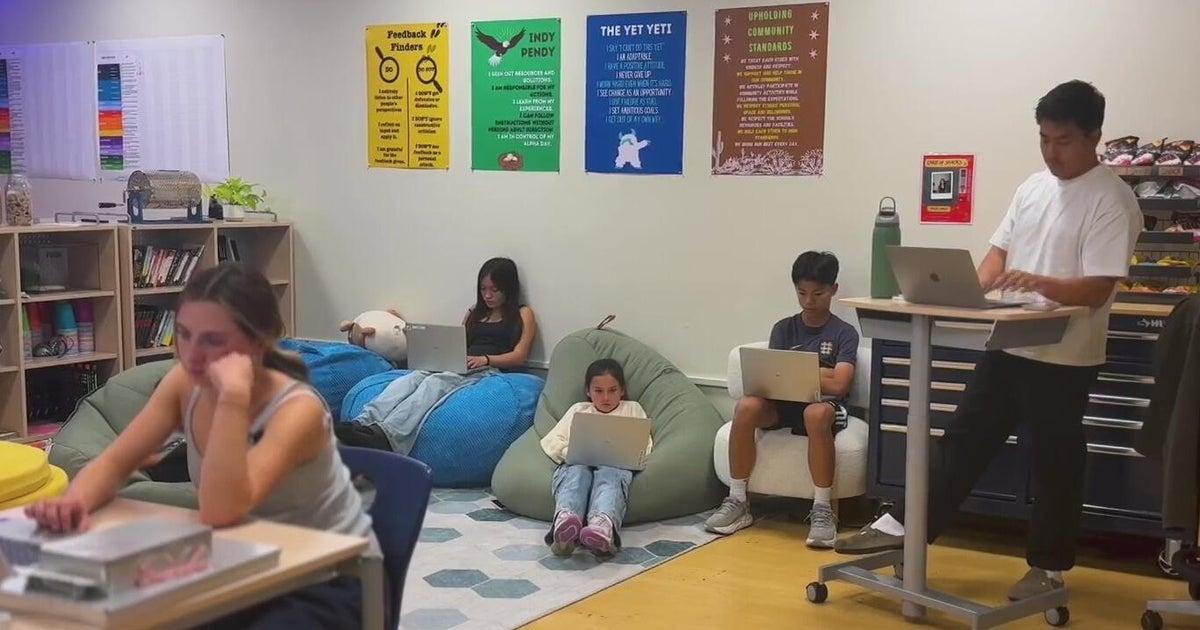
Revolutionizing Education: How a San Francisco Private School is Embracing AI to Transform Learning
Innovative AI Integration in San Francisco’s Private Education Sector
A pioneering private school in San Francisco has embarked on an unprecedented journey by substituting conventional classroom teachers with sophisticated artificial intelligence systems. This initiative harnesses state-of-the-art AI to customize educational content dynamically, responding to each student’s unique learning speed and preferences through continuous data monitoring. By doing so, the school aims to enhance student engagement, close achievement gaps, and create individualized learning trajectories beyond the constraints of traditional teaching methods.
The AI platform manages a broad spectrum of classroom functions, from delivering tailored curricula and conducting real-time assessments to facilitating social-emotional learning through virtual tutors. These AI tutors are equipped to interpret students’ emotional states and adjust their instructional strategies accordingly, offering a more responsive learning environment. The table below contrasts the AI-driven classroom model with traditional teaching approaches:
| Aspect | AI-Powered Classroom | Conventional Teaching |
|---|---|---|
| Customization | Adaptive, real-time personalization | Standardized, uniform delivery |
| Accessibility | Round-the-clock interactive assistance | Limited to scheduled class hours |
| Feedback Mechanism | Immediate analytics and insights | Periodic evaluations with manual grading |
| Emotional Awareness | AI detects and responds to mood changes | Relies on teacher’s observation and intuition |
- Enhanced operational efficiency: Automated lesson planning and minimized administrative workload.
- Tailored educational content: Lessons customized to individual strengths and areas for improvement.
- Engagement through gamification: Interactive exercises designed to sustain student interest.
- Transparent performance tracking: Detailed dashboards accessible to parents and educators.
Assessing the Effects of AI Educators on Student Participation and Academic Achievement
Preliminary observations at the San Francisco institution indicate a generally positive influence of AI tutors on student involvement. Learners appreciate the constant availability and adaptability of AI instructors, which allow lessons to be paced according to individual needs. Previously, educators struggled to maintain consistent engagement across diverse learners; now, AI’s data-driven customization fosters heightened curiosity and active participation. Nonetheless, some students report missing the spontaneous interactions and emotional warmth that human teachers provide, underscoring the irreplaceable human element in education.
Emerging academic trends include:
- Significant gains in STEM proficiency, credited to AI’s personalized problem-solving guidance.
- Improved motivation sustained by interactive and gamified learning modules.
- Concerns regarding diminished social skill development due to reduced face-to-face interaction.
| Indicator | Traditional Instruction | AI-Based Instruction |
|---|---|---|
| Student Engagement | 72% | 85% |
| Improvement in Test Scores | 5% increase | 12% increase |
| Student Satisfaction | 80% | 78% |
Addressing the Ethical and Practical Challenges of AI in Education
The growing adoption of AI in classrooms raises critical ethical and practical questions. One major concern is the potential erosion of personalized mentorship and emotional intelligence that human teachers uniquely offer-qualities essential for fostering empathy, creativity, and critical thinking. Critics argue that no algorithm, regardless of complexity, can fully replicate the nuanced interpersonal bonds that support holistic student development. Additionally, safeguarding student data privacy becomes paramount as AI systems handle sensitive information vulnerable to cyber threats.
Moreover, the risk of embedded biases within AI algorithms poses a significant challenge. Without stringent oversight, these systems might unintentionally reinforce existing inequalities by favoring certain student demographics over others. Key challenges include:
- Detachment in learning: Reduced human interaction may lead to a less engaging educational experience.
- Algorithmic bias: Potential perpetuation of social prejudices through AI decision-making.
- Data protection risks: Threats of unauthorized access and misuse of student information.
- Responsibility ambiguity: Difficulty in assigning accountability for AI errors or unfair outcomes.
| Issue | Possible Consequence | Proposed Solution |
|---|---|---|
| Algorithmic Bias | Unequal educational opportunities | Incorporate diverse datasets and conduct regular audits |
| Privacy Vulnerabilities | Data breaches and misuse | Implement robust encryption and comply with data protection laws |
| Loss of Human Connection | Lower student motivation and engagement | Adopt blended learning models combining AI and human interaction |
Strategies for Harmonizing AI with Traditional Educational Practices
To maximize the benefits of AI while preserving the invaluable human touch, educational institutions should pursue a balanced hybrid model. In this framework, AI handles routine tasks such as grading and personalized drills, freeing educators to concentrate on nurturing creativity, critical thinking, and emotional growth. Positioning AI as a supportive tool rather than a replacement ensures that the teacher-student relationship remains central to learning. This approach requires ongoing professional development to equip teachers with the skills to effectively integrate AI into their pedagogy.
Additionally, schools must establish clear ethical guidelines governing AI use, emphasizing transparency, data security, and equitable access. Engaging all stakeholders-administrators, teachers, parents, and students-in decision-making fosters trust and smooth adoption of AI innovations. The table below outlines a framework for collaborative roles in this integration:
| Area of Focus | AI Contribution | Teacher Contribution |
|---|---|---|
| Customized Learning | Adaptive content delivery | Motivation and personalized guidance |
| Evaluation | Automated grading and analytics | Contextualized feedback and support |
| Classroom Dynamics | Data-driven engagement monitoring | Fostering social and emotional skills |
| Ethical Governance | Algorithmic fairness and bias checks | Ensuring inclusivity and equity |
- Prioritize student-centric learning: Use AI to enhance, not replace, human interaction.
- Implement ongoing evaluation: Continuously assess AI’s impact and refine strategies accordingly.
- Promote equitable access: Guarantee all students benefit equally from AI resources.
Conclusion: Navigating the Future of AI in Education
As this San Francisco private school leads the charge in integrating AI as a primary educational facilitator, the broader implications for classroom learning remain under close scrutiny. Advocates emphasize AI’s potential to deliver personalized, data-informed instruction, while skeptics caution against the loss of essential human elements that foster social and emotional development. The unfolding experience will provide valuable insights for educators and policymakers worldwide, determining whether AI can complement or supplant traditional teaching in the evolving landscape of education.