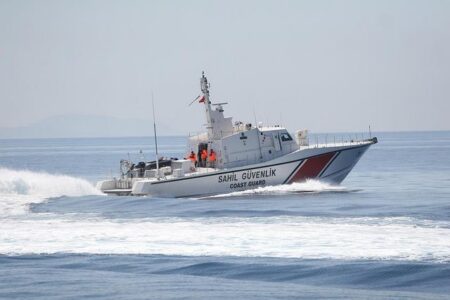
Canadian Forces Bolster San Francisco Fleet Week Amid U.S. Federal Shutdown
Cross-Border Support Preserves San Francisco’s Maritime Celebration
When the U.S. federal government shutdown cast doubt over the continuation of San Francisco’s iconic Fleet Week, Canadian military forces stepped forward to ensure the event’s success. This unexpected partnership showcased the strength of international alliances and the importance of collaborative efforts during domestic disruptions. By providing naval vessels, personnel, and logistical aid, Canada played a pivotal role in maintaining the event’s schedule, allowing thousands of attendees to enjoy the festivities uninterrupted.
The Canadian involvement featured the deployment of two advanced frigates along with skilled crew members, seamlessly integrating into the event’s lineup. Their participation included:
- Active roles in the parade of ships
- Joint air-sea rescue demonstrations with U.S. counterparts
- Engagement in community outreach and honoring veterans
| Vessel Name | Class | Function During Fleet Week |
|---|---|---|
| HMCS Vancouver | Frigate | Escort duties and public ship tours |
| HMCS Calgary | Frigate | Support for aerial demonstrations |
This collaboration not only safeguarded the continuity of Fleet Week but also reinforced the enduring partnership between Canada and the United States, exemplifying resilience and mutual support amid federal challenges.
Federal Shutdown’s Effects on Fleet Week Logistics and Attendance
The government shutdown posed significant obstacles to Fleet Week’s operations, threatening to curtail essential services such as security, event coordination, and federal staffing. Many agencies responsible for these functions were furloughed or operating with minimal personnel, compelling organizers to pivot quickly and rely on local law enforcement and volunteers to uphold safety and event flow. Despite these constraints, the event proceeded, demonstrating the community’s determination and adaptability.
Canadian naval forces emerged as vital contributors, filling operational gaps in maritime displays, visitor engagement, and crowd management. Their involvement helped restore public confidence, leading to attendance levels comparable to previous years despite initial concerns.
- Security: Enhanced by collaboration between local police and Canadian naval teams.
- Maritime Programming: Maintained through joint U.S.-Canada coordination.
- Public Participation: Strong turnout fueled by international cooperation.
| Operational Aspect | Shutdown Impact | Mitigation Strategy |
|---|---|---|
| Security Personnel | Reduced federal staffing | Support from local police and Canadian navy |
| Event Staffing | Limited federal volunteers | Mobilization of community volunteers |
| Attendance | Uncertainty due to shutdown | Boost from international partnership visibility |
Ensuring Safety and Smooth Operations Through Canadian Collaboration
With federal personnel largely unavailable, Canadian forces swiftly assumed critical roles to maintain safety and operational efficiency during Fleet Week. Their responsibilities encompassed crowd management, emergency response coordination, and logistical oversight, ensuring that all safety standards were upheld and that the event ran without incident. This rapid response reassured attendees and participants alike.
Key elements contributing to the flawless execution included:
- Close coordination with San Francisco law enforcement and event planners
- Deployment of specialized Canadian maritime security units
- Flexible contingency plans tailored to address shutdown-related challenges
- Real-time communication channels facilitating transparency and quick decision-making
Strategies for Strengthening Future International Emergency Event Responses
The success of Canadian involvement during the U.S. federal shutdown highlights the need for formalized cross-border emergency planning frameworks. Prioritizing real-time communication and shared resources between neighboring countries can significantly enhance response capabilities. Establishing centralized communication centers equipped with cutting-edge technology will enable rapid information exchange and coordinated action.
Additionally, conducting regular joint training exercises involving multinational teams can build trust, clarify roles, and establish clear protocols before emergencies arise. A proposed model for collaborative emergency management includes:
| Component | Canadian Role | U.S. Role |
|---|---|---|
| Command & Leadership | Strategic oversight and coordination | Tactical field deployment |
| Logistics | Transportation and supply chain management | Local infrastructure and support services |
| Communication | Cross-border data sharing platforms | Emergency broadcast and alert systems |
| Community Engagement | Public education and awareness campaigns | Evacuation planning and execution |
Formalizing mutual aid agreements and fostering ongoing collaboration will strengthen resilience against future crises, ensuring that allied nations can respond swiftly and effectively when every moment is critical.
Summary: A Testament to International Unity and Resilience
The Canadian military’s prompt and effective support during the U.S. federal shutdown was instrumental in preserving San Francisco’s Fleet Week, a beloved maritime tradition. This partnership not only ensured the event’s uninterrupted success but also highlighted the power of international cooperation in overcoming domestic challenges. The experience serves as a powerful example of how allied nations can unite to uphold shared values and community spirit, even in times of uncertainty.