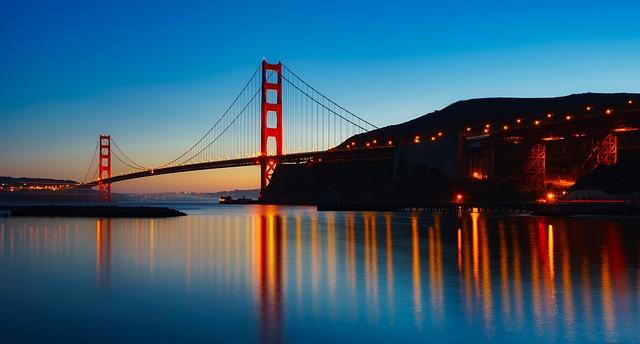
Coexisting in Diversity: Insights into San Francisco’s Multicultural Urban Life
Understanding the Complexities of Urban Diversity in San Francisco
San Francisco stands as a beacon of cultural plurality, where a multitude of ethnicities and traditions converge within its neighborhoods. The recent feature, “Living Together, Learning Apart: Snapshots of Diversity,” offers a profound exploration of how these varied communities preserve their unique identities while sharing the city’s public spaces. This examination reveals the intricate balance between unity and division, highlighting the enriching yet challenging realities of living in a multicultural metropolis.
Neighborhood Dynamics: Culture, Economy, and Housing Intersect
The city’s neighborhoods serve as microcosms of broader social and economic forces. Residents face the dual pressures of maintaining cultural heritage and adapting to rapid urban changes such as gentrification and economic inequality. Local advocates stress the need for policies that promote inclusivity, ensuring fair access to education, affordable housing, and essential services. These efforts are crucial in sustaining both diversity and social cohesion amid ongoing urban transformation.
- Affordable Housing Crisis: Escalating rents displacing long-established residents.
- Educational Disparities: Unequal school funding reflecting economic divides.
- Shared Public Spaces: Negotiating cultural expression and access in communal areas.
| Neighborhood | Median Monthly Rent ($) | Dominant Cultural Group | Primary Social Issue |
|---|---|---|---|
| Mission District | 3,400 | Latinx | Displacement due to Gentrification |
| Chinatown | 2,900 | Chinese American | Language and Communication Barriers |
| Bayview-Hunters Point | 2,300 | African American | Economic Challenges |
| Sunset District | 2,800 | Asian American (Diverse) | Educational Inequality |
How Social Segregation Shapes Community Bonds
Despite geographic proximity, many San Francisco neighborhoods experience social fragmentation, where limited interaction across cultural and economic lines weakens communal ties. This separation is evident in everyday settings-from schools and workplaces to parks and transit systems-resulting in diminished trust and a reduced collective sense of responsibility. Studies increasingly link such segregation to adverse effects on mental well-being, economic advancement, and equitable opportunity access, perpetuating systemic disparities.
Efforts to bridge these divides focus on creating inclusive environments that encourage meaningful engagement, such as:
- Cross-cultural festivals that celebrate shared histories and foster mutual respect.
- Mixed-income housing developments designed to promote daily social interaction among diverse residents.
- Collaborative educational initiatives that unite students from varied backgrounds to learn together.
Nevertheless, disparities persist, as illustrated by the following social metrics across neighborhoods:
| Neighborhood | Community Trust Score | Quality of Public Services | Monthly Intergroup Social Events |
|---|---|---|---|
| Bayview-Hunters Point | 40% | Moderate | 1 |
| Mission District | 60% | High | 4 |
| Sunset District | 50% | Low | 2 |
Voices from the Community: Navigating Multicultural Realities
Within San Francisco’s diverse neighborhoods, personal narratives reveal the intricate layers of coexistence. For example, Carlos, a second-generation Mexican American, shares how his efforts to introduce traditional family recipes at neighborhood potlucks sparked both enthusiasm and hesitation, reflecting a community eager to connect yet cautious of cultural differences. These stories highlight the delicate balance between embracing diversity and confronting the subtle barriers that persist.
Residents often find common ground through local markets and cultural festivals, yet challenges such as language differences, cultural customs, and generational divides continue to shape social interactions. Key themes emerging from interviews include:
- Communication hurdles: Reliance on translation tools and nonverbal cues.
- Intra-group socializing: Preference for bonding within ethnic communities despite diverse surroundings.
- Cultural celebrations: Events that invite participation but sometimes feel symbolic rather than integrative.
- Generational tensions: Varied levels of cultural assimilation causing friction within families and communities.
Strategies to Cultivate Inclusive Urban Communities
Addressing the divisions in cities marked by ethnic, economic, and ideological differences requires intentional creation of shared environments that foster interaction and understanding. Transforming public venues such as parks, libraries, and community centers into vibrant spaces for cultural exhibitions, dialogue forums, and collaborative projects can nurture a collective identity that transcends individual backgrounds.
Educational institutions play a pivotal role by implementing diversity-focused curricula and mentorship programs that encourage cooperation and empathy among youth from diverse origins. Below is a summary of proven community-building initiatives from various global cities:
| Initiative | Effect | City Example |
|---|---|---|
| Public Mural Projects | Enhances community pride and empathy | Chicago |
| Global Cuisine Festivals | Promotes cultural exchange and understanding | Vancouver |
| Conflict Resolution Workshops | Mitigates neighborhood tensions | Amsterdam |
| Inclusive School Programs | Fosters youth inclusivity and reduces bias | Seattle |
Conclusion: Embracing Diversity for a Stronger San Francisco
As San Francisco continues to evolve, the narratives captured in “Living Together, Learning Apart” underscore the city’s ongoing journey toward genuine multicultural coexistence. Beneath the vibrant cultural tapestry lies a nuanced story of both connection and separation. Overcoming these challenges by fostering authentic understanding and inclusive practices will be vital in shaping a resilient, united urban community that celebrates its diversity as a source of strength.