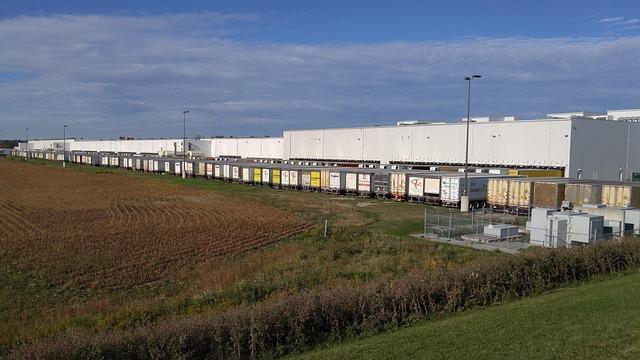
Skanska Launches Ambitious Cargo Expansion at San Francisco International Airport
Skanska has officially initiated construction on a comprehensive cargo expansion at San Francisco International Airport (SFO), aiming to significantly enhance the airport’s freight handling capacity amid rising air cargo demand. This large-scale project features cutting-edge warehouse facilities and integrated logistics systems designed to optimize cargo flow and operational efficiency. By reducing processing times and accommodating the dynamic needs of global commerce and e-commerce growth, the development positions SFO as a pivotal node in international supply chains. Importantly, the project embraces sustainable construction methods, reinforcing SFO’s dedication to environmental stewardship and carbon footprint reduction.
Highlights of the cargo infrastructure upgrade include:
- A 150,000-square-foot climate-controlled warehouse tailored to support a wide range of cargo types, including perishables and pharmaceuticals.
- Enhanced roadway design and freight vehicle circulation to alleviate congestion and improve safety for ground transport operations.
- Deployment of advanced automation technologies to accelerate cargo sorting and inventory tracking.
- Upgraded security protocols aligned with federal aviation standards to safeguard sensitive shipments.
Boosting Capacity and Streamlining Operations to Meet Rising Air Freight Needs
In response to the escalating volume of air freight passing through SFO, the new cargo complex is engineered to substantially increase throughput and operational agility. Incorporating the latest automation systems, optimized workflows, and expanded cargo handling zones, the facility aims to minimize turnaround times and support sustained growth in international trade and e-commerce logistics.
Key infrastructure improvements include:
- Expanded warehouse capacity with advanced climate control and secure storage solutions.
- State-of-the-art sorting equipment designed to expedite package processing and reduce manual handling.
- Upgraded access roads and loading docks to facilitate efficient freight vehicle movement and reduce delays.
- Incorporation of eco-conscious design elements to lower energy consumption and environmental impact.
| Feature | Advantage | Projected Capacity Growth |
|---|---|---|
| Automated Sorting Systems | Accelerated processing speeds | 25% |
| Additional Warehouse Space | Increased storage volume | 30% |
| New Loading Bays | Minimized operational bottlenecks | 20% |
Integrating Sustainability into the Cargo Facility Design
The new cargo terminal incorporates a suite of environmentally responsible features aimed at reducing the ecological impact of airport logistics. Solar photovoltaic panels installed on rooftops and adjacent structures are expected to supply a substantial portion of the facility’s electricity needs, promoting renewable energy use. Additionally, sophisticated rainwater capture systems have been implemented to support irrigation and non-potable water applications, significantly decreasing reliance on municipal water sources.
The project prioritizes sustainable materials, utilizing locally sourced recycled content and low-emission finishes to enhance indoor air quality and durability. Energy-efficient LED lighting paired with smart occupancy sensors ensures optimal energy use throughout the facility. The table below outlines the primary sustainability components:
| Feature | Environmental Benefit | Implementation Detail |
|---|---|---|
| Solar Power Installation | Renewable energy generation | 15,000 sq. ft. of rooftop solar panels |
| Rainwater Collection | Water resource conservation | 50,000-gallon storage capacity |
| Recycled Construction Materials | Lowered carbon emissions | Concrete mix with 30% fly ash content |
| LED Lighting with Sensors | Reduced energy consumption | Motion-activated lighting fixtures |
Leveraging Collaborations to Maximize Project Success
Experts in the aviation and construction sectors stress that strategic partnerships are essential to fully realize the benefits of large-scale infrastructure projects like SFO’s cargo expansion. Close cooperation among construction companies, airport authorities, and technology innovators facilitates the seamless integration of advanced systems, reducing operational disruptions and enhancing cargo throughput. These collaborations enable resource sharing and expertise pooling, ensuring timely project completion while maintaining rigorous safety and environmental standards.
Key advantages of such partnerships include:
- Optimized supply chain coordination through joint planning efforts.
- Deployment of cutting-edge technologies for real-time cargo tracking and facility management.
- Comprehensive risk management strategies applied across all stages of development.
- Efficient implementation of sustainability goals through shared commitment.
| Partner Type | Role | Impact on Operations |
|---|---|---|
| Construction Company | Execution and project management | Ensures on-schedule delivery |
| Airport Authority | Regulatory oversight and compliance | Guarantees adherence to aviation standards |
| Technology Provider | Innovative system integration | Enhances cargo handling efficiency |
Conclusion
As Skanska advances the construction of these modern cargo facilities at San Francisco International Airport, the project represents a pivotal enhancement to the region’s air freight infrastructure. By expanding capacity and incorporating advanced technologies alongside sustainable design, the development is set to meet the increasing demands of global cargo transport. Industry stakeholders and observers alike anticipate that this initiative will strengthen SFO’s position as a vital logistics hub, delivering long-term benefits to both local and international supply chains.