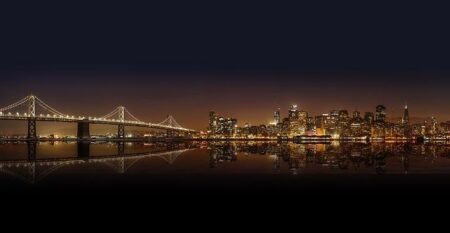
The Bay Area is gearing up to welcome one of the world’s most anticipated sporting events as the FIFA World Cup heads to its stadiums, marking a historic moment for local soccer fans. However, while the Super Bowl has long been synonymous with lavish parties, commercial spectacle, and sprawling entertainment, the World Cup’s arrival promises a distinctly different cultural and operational footprint. As preparations advance, experts and residents alike are noting that this global tournament will bring unique challenges and opportunities, reflecting soccer’s diverse international spirit rather than the traditionally American grandeur of the Super Bowl. This article explores how the World Cup will transform the Bay Area-and why it will defy conventional expectations shaped by the region’s championship football spectacle.
World Cup Versus Super Bowl How the Bay Area’s Global Soccer Festival Will Differ
Unlike the Super Bowl, which is a single, high-stakes event, the World Cup unfolds over several weeks, transforming the Bay Area into a bustling hub of international culture and athleticism. This global soccer festival transcends typical sports boundaries by uniting fans from every corner of the globe, fostering a vibrant atmosphere that extends beyond the stadium. The tournament’s format-featuring 32 national teams competing in a series of matches-ensures continuous excitement and engagement that spans multiple cities and venues in the region. This multi-venue, long-duration setup means fans won’t just witness a game; they’ll experience a celebration of diversity, passion, and global unity.
The World Cup’s impact on local culture also marks a stark contrast to the Super Bowl’s more traditional American football fanfare. Here’s how the two mega-events differ in the Bay Area:
- Scale and Duration: The Super Bowl is a one-day event while the World Cup spans weeks.
- International Participation: World Cup teams hail from across the globe, creating a kaleidoscope of languages and traditions.
- Fan Engagement: World Cup fan zones and public viewing parties foster ongoing communal experiences instead of a single highlight event.
- Economic Boost: Extended tourism from international visitors injects sustained revenue over the tournament’s entire span.
Cultural Impact and Community Engagement Expected to Define the Event
Rather than focusing solely on the spectacle, this global event is poised to become a vibrant celebration of cultural diversity and local identity. Community-driven initiatives are taking center stage, ensuring neighborhoods across the Bay Area become active participants rather than passive observers. From interactive fan zones to neighborhood festivals, each location will reflect the mosaic of cultures represented by visiting teams and supporters. This grassroots approach highlights the event’s mission to foster mutual understanding and celebrate the shared love of the game, transcending borders and uniting communities in a way few other sporting events achieve.
Key Highlights of Community Engagement:
- Local arts and food markets showcasing international culinary delights
- Cultural exchange workshops led by immigrant and refugee groups
- Volunteer-led programs connecting sports enthusiasts with underserved youth
- Collaborative performances blending traditional and contemporary expressions
| Neighborhood | Planned Event | Community Partner |
|---|---|---|
| Mission District | Latin American Culture Fest | Mission Cultural Center |
| Richmond | Asian Fusion Food Fair | Richmond Neighborhood Assoc. |
| Bayview | Soccer Clinics & Storytelling | Bayview YMCA |
By weaving these vibrant cultural threads into the fabric of the World Cup experience, organizers aim to leave a legacy of inclusivity and engagement that lasts well beyond the final whistle. It’s a model that values connection and cultural storytelling as much as the sport itself, promising an event that beckons all residents of the Bay Area to claim it as their own.
Transportation and Security Plans Tailored to International Soccer Fans
Unlike the rapid, spectacle-driven transportation arrangements typical of the Super Bowl, the World Cup’s logistics in the Bay Area are designed with a global, festival-like atmosphere in mind. Organizers have engaged with international fan groups to anticipate diverse travel patterns and cultural needs, ensuring that transit options reflect the extensive reach and cultural mosaic of soccer’s worldwide following. Public transit systems such as BART and Muni will operate extended hours with multilingual staff available to assist fans, while dedicated shuttle services will connect key neighborhoods to multiple venues across the region. Emphasis is placed on seamless crowd dispersal rather than bottlenecked, high-intensity movement, aiming for a more relaxed, celebratory experience.
Security protocols also differ significantly from those of a single major sporting event. Authorities are implementing a layered, community-focused approach that prioritizes open communication and cultural sensitivity alongside standard safety measures. This includes enhanced training for security personnel on international customs, the introduction of fan liaison officers fluent in several languages, and the use of cutting-edge technology to monitor crowd flow in real-time without invasive screening. Below is an outline of key transportation and security features planned for the event:
- Multilingual transit signage and announcements tailored to top fan nationalities
- Extended public transit hours accommodating late-night arrivals and departures
- Dedicated fan zones with controlled entry points and international volunteer support
- Real-time crowd monitoring via AI and sensor networks for proactive management
- Community engagement programs to foster trust and cooperation between fans and security personnel
Recommendations for Local Businesses Preparing for the Influx of Visitors
Local businesses in the Bay Area should anticipate a distinct rhythm compared to past mega-events like the Super Bowl. Unlike the explosive one-day surge, the World Cup unfolds over several weeks, drawing diverse international visitors with varied schedules and interests. To capitalize on this, merchants are advised to adapt their operations by extending opening hours, diversifying product offerings, and enhancing multilingual customer service. Investing in digital engagement through social media and targeted promotions will also help tap into the global and tech-savvy fan base, ensuring steady foot traffic throughout the tournament period.
Additionally, collaboration with other local enterprises and city initiatives can create a more cohesive and inviting experience for visitors. Businesses should consider:
- Partnering with local tour operators to offer combined tickets or special packages
- Implementing contactless payment systems to streamline purchases
- Training staff for cultural awareness to enhance visitor comfort
- Creating multilingual signage and informational materials
- Hosting live event viewings or community celebrations to boost foot traffic
| Strategy | Expected Benefit |
|---|---|
| Extended Hours | Capture late and early visitors from varied match times |
| Multilingual Staff | Improve service for international customers |
| Collaborative Promotions | Amplify reach and foot traffic via partnerships |
| Contactless Payments | Speed up transactions and reduce waiting times |
In Summary
As the Bay Area prepares to welcome the world’s most prestigious soccer tournament, it’s clear that the World Cup will bring a uniquely global and culturally rich experience-one that contrasts sharply with the high-octane spectacle of the Super Bowl. From diverse fan celebrations to international traditions and community-driven events, the tournament promises to reshape the region’s sporting landscape in ways that extend far beyond the field. For local residents and visitors alike, the World Cup offers not just a game, but a moment to engage with a worldwide phenomenon that unites people across nations, languages, and backgrounds.