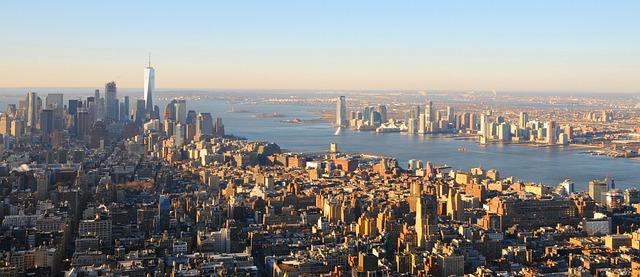
As business travel continues to rebound in the post-pandemic era, companies and professionals alike are keen to identify the most advantageous destinations for their trips. Time Out’s latest ranking of the top U.S. cities for business travel offers a revealing look at where travelers are finding the best combination of convenience, amenities, and opportunities. The results highlight several expected leaders, but the city securing the number one spot stands out as a prime hub for business activity-and that choice won’t come as a surprise to many. Here’s a closer look at the top contenders shaping the future of corporate travel across the country.
Top U.S. Cities Setting the Standard for Business Travel
When it comes to business travel, efficiency, connectivity, and amenities top the list for frequent flyers and corporate planners alike. Cities like New York, Chicago, and San Francisco excel with their extensive transportation networks, world-class convention centers, and vibrant dining scenes. These urban hubs not only provide seamless access to international airports but also foster innovative coworking spaces and networking opportunities that keep business travelers productive and engaged.
Key factors driving these cities to the forefront include:
- Proximity to major airports with international and domestic flights
- Abundance of hotels offering business-friendly services
- Strong public transportation infrastructure
- Access to diverse dining options suitable for client meetings
- Robust event venues accommodating large conferences and expos
| City | Business Travel Score | Top Feature |
|---|---|---|
| New York | 97 | Global connectivity |
| Chicago | 90 | Convention facilities |
| San Francisco | 88 | Tech innovation hub |
| Atlanta | 85 | Accessibility |
Why the Leading City Continues to Dominate Corporate Visitors
Unrivaled connectivity remains a cornerstone for the city’s dominance in attracting corporate visitors. With multiple international airports offering nonstop flights to major global business hubs, companies find it effortless to coordinate meetings and conferences. Moreover, the city’s robust public transportation system eases commuting between business districts and convention centers, enabling efficient travel schedules without the typical urban headaches.
Several other factors bolster its standing as the top destination for business travel:
- State-of-the-art meeting facilities and convention centers equipped with cutting-edge technology
- A diverse hospitality landscape offering everything from luxury hotels to more budget-conscious options
- Abundant networking opportunities driven by a dense concentration of Fortune 500 companies and startups alike
- Vibrant cultural and dining scenes that help professionals unwind after long workdays
| Feature | Impact on Business Travel |
|---|---|
| International Airports | Direct access to major markets worldwide |
| Convention Centers | Hosting large-scale corporate events |
| Public Transport | Seamless intra-city mobility |
| Networking Venues | Facilitates business growth and partnerships |
Key Amenities and Infrastructure Driving Business Travel Success
Business travelers increasingly prioritize destinations that offer seamless connectivity and robust infrastructure. Top U.S. cities provide an ecosystem tailored to their needs, encompassing state-of-the-art airports with multiple international routes, reliable public transit options, and high-speed internet access in commercial hubs. The presence of modern convention centers equipped with cutting-edge technology also plays a pivotal role, enabling smooth hosting of conferences and networking events without logistical hiccups.
Moreover, cities that champion a blend of convenience and comfort distinguish themselves in the competitive business travel landscape. Amenities such as co-working spaces, premier hotels with business lounges, and a vibrant culinary scene ensure that professionals can balance productivity with relaxation. The table below highlights key infrastructure elements found in these top-tier business destinations:
| City | International Flights | Convention Centers | Co-working Spaces | Hotel Business Facilities |
|---|---|---|---|---|
| New York | 120+ | 5 | 300+ | Extensive |
| Chicago | 85+ | 4 | 220+ | Comprehensive |
| San Francisco | 75+ | 3 | 180+ | Advanced |
Expert Tips for Navigating Business Trips in These Top Destinations
For professionals jetting off to these dynamic cities, efficiency is key. Make the most of your trip by planning transportation in advance-consider rideshare apps or local transit passes to avoid last-minute delays. Booking accommodations near major convention centers or business districts can save valuable time. Networking spots such as rooftop bars and coworking cafes are ideal for casual client meetings or unwinding after a long day. Don’t forget to pack smart: a portable charger, noise-cancelling headphones, and versatile attire can make all the difference when hopping between meetings and flights.
Understanding the local business etiquette can elevate your trip from routine to remarkable. In cities like San Francisco and New York, punctuality is a must, while in Austin, a more relaxed vibe may prevail. Adapting to these nuances enhances rapport with clients and colleagues alike. To help plan your schedule effectively, here’s a quick reference for average commute times and popular meeting venues in the top destinations:
| City | Avg. Commute Time | Top Business Venue |
|---|---|---|
| New York | 35 mins | Javits Center |
| San Francisco | 28 mins | Moscone Center |
| Austin | 22 mins | Palmer Events Center |
Future Outlook
In conclusion, the rankings of the top U.S. cities for business travel underscore the dynamic hubs that continue to drive commerce and connectivity across the country. With its strategic location, extensive infrastructure, and vibrant economy, it comes as no surprise that the leading city retains its top spot year after year. As business travel rebounds and evolves, these cities remain essential destinations for professionals seeking efficiency and opportunity. Staying informed about these key markets is crucial for companies and travelers alike, ensuring that business journeys remain productive and well-connected in the ever-changing landscape.