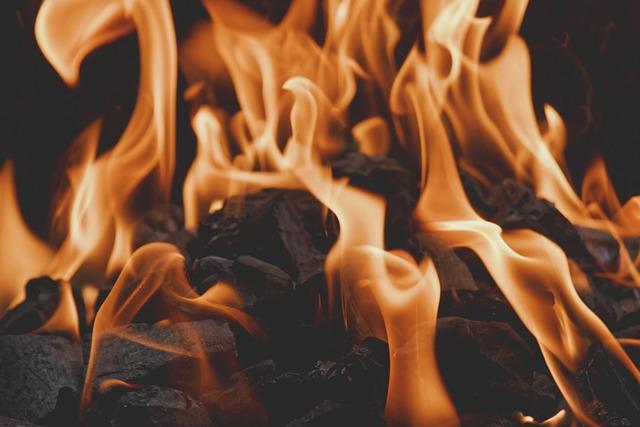
Early Summer Heatwave Puts Western U.S. on High Alert
An intense heatwave has surged across California and neighboring western states, arriving unusually early in the season and shattering longstanding temperature records. Daytime highs frequently surpass 110°F (43°C), creating perilous conditions for residents and overwhelming energy systems. This extreme heat event is raising alarms among public health officials, emergency responders, and utility providers alike.
Key concerns linked to this early heatwave include:
- Elevated wildfire danger fueled by parched vegetation and low moisture levels
- Overburdened electrical grids due to soaring air conditioning demand
- Worsening drought impacts leading to critical water shortages
- Health advisories urging hydration and limiting outdoor exposure
| State | Peak Temperature (°F) | Average Seasonal High (°F) | Response Actions |
|---|---|---|---|
| California | 113 | 88 | Scheduled rolling blackouts |
| Nevada | 109 | 92 | Activation of cooling centers |
| Arizona | 111 | 94 | Enforcement of fire restrictions |
Health Risks and Safety Recommendations Amid Extreme Heat
Medical experts caution that the soaring temperatures pose significant health threats, especially to seniors, young children, and individuals with chronic health conditions. Prolonged exposure to such heat can lead to serious illnesses like heat exhaustion and heat stroke. To mitigate these risks, health authorities recommend the following precautions:
- Maintain consistent hydration by drinking water regularly, even without thirst
- Opt for loose, breathable clothing to facilitate cooling
- Avoid outdoor activities during the hottest hours, typically between 10 a.m. and 4 p.m.
- Check in on vulnerable neighbors and relatives to ensure their safety
Local governments have established cooling centers and urge residents to stay updated with weather advisories. Additionally, the heatwave is contributing to deteriorating air quality, which can aggravate respiratory issues. Those affected should take extra precautions and seek immediate help if symptoms of heat-related illnesses appear.
| Safety Measure | Recommended Practice |
|---|---|
| Hydration | Drink 8-10 glasses of water daily |
| Clothing | Wear lightweight, moisture-wicking fabrics |
| Outdoor Activity Timing | Schedule for early morning or late evening |
| Recognizing Heat Illness | Watch for dizziness, headache, nausea |
Energy Demand Surges Challenge Power Supplies
The unprecedented heat has triggered a dramatic increase in electricity consumption as millions rely heavily on air conditioning to combat the sweltering temperatures. Utility companies are struggling to maintain grid stability amid this surge, with warnings of potential rolling blackouts if demand continues to outpace supply. To alleviate pressure, grid operators are deploying emergency reserves and urging consumers to minimize non-essential electricity use during peak periods.
Several factors complicate the energy supply situation:
- Outdated infrastructure: Many transmission systems were not engineered to handle the frequency and intensity of modern heatwaves.
- Variable renewable energy output: Solar and wind generation can fluctuate, often dipping during peak demand times.
- Supply chain delays: Shortages of critical components hinder timely maintenance and upgrades.
| State | Peak Electricity Demand (GW) | Reserve Capacity (%) |
|---|---|---|
| California | 50.2 | 8.5 |
| Arizona | 14.7 | 5.2 |
| Nevada | 6.4 | 6.3 |
Wildfire Threats and Water Scarcity Heighten Community Vulnerabilities
The extreme heatwave has intensified wildfire risks across California and adjacent western regions, as dry vegetation and parched landscapes create ideal conditions for rapid fire spread. Firefighting resources are stretched thin, battling multiple active fires that endanger both rural and suburban areas. Authorities have enacted stringent fire bans and emphasize that even minor sparks could ignite devastating blazes under current conditions.
Concurrently, the heat is placing severe demands on water supplies essential for firefighting and daily use. Reservoir levels have plummeted to alarmingly low percentages, raising urgent concerns about water sustainability amid ongoing drought. Emergency strategies under consideration include:
- Implementing water use restrictions for agriculture and residential consumption
- Boosting funding for firefighting equipment and personnel
- Enhancing community preparedness through evacuation drills and fire prevention education
| Region | Reservoir Capacity (%) | Wildfire Risk Level |
|---|---|---|
| California Central Valley | 42% | Extreme |
| Southern Oregon | 38% | High |
| Northern Nevada | 35% | Severe |
Conclusion: Preparing for an Escalating Climate Challenge
As this extraordinary early-season heatwave continues to grip California and the broader western United States, the combined threats to public health, energy infrastructure, and natural resources underscore the urgent need for adaptive strategies. Experts highlight that such extreme weather events may become more frequent and severe due to climate change, necessitating proactive community engagement and robust emergency planning. Residents are encouraged to stay informed, heed official guidance, and take preventive actions to safeguard themselves and their communities during this critical period.