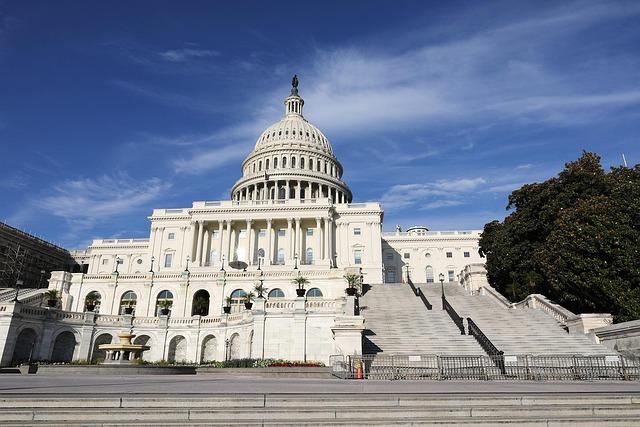
In recent years, America has grappled with a troubling resurgence of political violence, prompting a critical reexamination of its past. “The Ugly Truth About America’s History of Political Violence,” a comprehensive feature in Time Magazine, sheds light on the often overlooked and deeply ingrained roots of this pervasive issue. From street clashes and targeted attacks to the insurrections that have shaken the nation’s foundations, the article reveals how political violence is not an aberration but a recurring thread woven through the fabric of American history. This exposé challenges readers to confront uncomfortable realities and consider the consequences of a divided society.
America’s Legacy of Political Violence Beyond the Surface
Political violence in America is often painted as episodic and isolated, yet a deeper examination reveals a persistent undercurrent tied to societal fractures and power struggles. From the bloody clashes during Reconstruction to the wave of assassinations in the 1960s, violence has continuously shaped the nation’s political landscape. This ongoing turbulence is not limited to extremist acts; it includes systemic violence such as voter suppression, intimidation tactics, and state-sanctioned oppression. These forces have, over centuries, fostered an atmosphere where conflict is deeply embedded in the political process itself.
Examining key incidents through a broader lens illustrates the recurring patterns of political violence characterized by:
- Ethno-racial targeting: Minority communities have frequently been the victims of politically motivated violence designed to curb their influence.
- Legal and extralegal actions: Both government institutions and armed groups have resorted to force to achieve political ends.
- Media amplification: Coverage often sensationalizes violence but understates the societal conditions that incubate it.
| Era | Type of Violence | Key Incident |
|---|---|---|
| Reconstruction (1865-1877) | Racial terror and mob violence | Colfax Massacre, 1873 |
| Early 20th Century | Labor strikes and suppression | Ludlow Massacre, 1914 |
| 1960s | Political assassinations and riots | Assassinations of Martin Luther King Jr. and Robert Kennedy |
| Contemporary | Domestic terrorism and protests | Capitol attack, 2021 |
Examining the Root Causes and Societal Impacts
At the core of America’s persistent episodes of political violence lies a complex interplay of historical, economic, and ideological factors. Centuries of systemic inequality, racial tensions, and political polarization have created fertile ground for radicalization and hostility. The breakdown of trust in institutions and the rise of extremist rhetoric fan the flames, exacerbating divisions. Experts point to key root causes including:
- Socioeconomic disparities that marginalize communities and breed resentment;
- Weaponization of identity politics, intensifying tribalism;
- Failures in education systems to promote critical civic engagement;
- Increased misinformation and propaganda spreading unchecked through modern media.
The societal impact of this cyclical violence transcends immediate physical harm, eroding the very fabric of democracy and social cohesion. Communities suffer long-term scars, with damaged trust among neighbors and between the populace and governing bodies. Economically, the fallout includes lost productivity, heightened security expenses, and deterred investment. Below is a concise overview of the ripple effects observed in affected regions:
| Impact Area | Manifestation | Long-term Consequence |
|---|---|---|
| Community Trust | Decline in social cohesion | Polarized neighborhoods |
| Economic Stability | Business closures / reduced tourism | Stagnant local economies |
| Political Climate | Rising extremism & voter suppression | Undermined democratic processes |
| Public Health | Increased trauma and stress | Higher mental illness rates |
The Role of Extremism and Misinformation in Escalation
Extremism acts as a volatile catalyst in political violence, often distorting rational discourse and deepening societal divides. From radical groups to lone actors driven by fringe ideologies, these elements exploit grievances, real or perceived, to incite confrontation. Their narratives simplify complex issues into binary battles of “us versus them,” leaving little room for compromise. This ideological rigidity, when combined with social media platforms, creates echo chambers where misinformation not only thrives but is amplified, fostering an environment ripe for escalation.
Misinformation functions as both a weapon and a lubricant in the machinery of political unrest. False narratives spread rapidly, fueling paranoia and distrust among the populace, which, in turn, undermines democratic institutions and civic cohesion. The rapid circulation of distorted facts often mobilizes impressionable individuals, sometimes leading to acts of violence. Key tactics used to spread misinformation include:
- Selective sharing of out-of-context information
- Deliberate creation of fake news stories
- Manipulation of images and videos to mislead viewers
- Exploitation of algorithm-driven content promotion
| Factor | Impact on Escalation | Example |
|---|---|---|
| Ideological Extremism | Polarizes communities | Militia groups gaining traction |
| Misinformation | Erodes public trust | Fake health conspiracy theories |
| Social Media Algorithms | Amplify divisive content | Viral extremist hashtags |
Strategies for Healing and Preventing Future Conflict
Healing the deep divisions that have fueled political violence in America requires a multi-faceted approach rooted in understanding and accountability. Communities must prioritize dialogue platforms that enable voices across the political spectrum to be heard without fear of retribution. These spaces foster empathy and create opportunities to dismantle the echo chambers where misinformation and extremism thrive. Moreover, education systems need to overhaul curricula to include not just the historical facts but also the underlying social and economic inequalities that have ignited conflicts, helping new generations learn the importance of peaceful coexistence.
- Promote restorative justice: Focus on healing harm through community involvement rather than punitive measures alone.
- Strengthen social safety nets: Reduce economic stimuli that exacerbate tensions.
- Implement transparent political reforms: Curb corruption and increase public trust in governance.
- Enhance media literacy programs: Equip citizens to critically evaluate news sources and resist manipulation.
| Strategy | Expected Impact |
|---|---|
| Restorative Justice Circles | Reduce recidivism and promote community trust |
| Media Literacy Campaigns | Counter misinformation and extremism |
| Economic Opportunity Programs | Address root causes of disenfranchisement |
| Electoral Transparency Measures | Restore faith in democratic institutions |
Prevention of future political violence hinges on proactive institutional reforms and a societal commitment to upholding democratic principles even amid dissent. Leadership at all levels must reject polarizing rhetoric and instead champion unity rooted in respect for diverse viewpoints. Strengthening the legal frameworks that protect civil liberties while cracking down on violent extremism is equally critical. Ultimately, fostering resilience through community engagement programs can create social bonds that act as buffers against divisive influences.
By embedding these strategies into the national fabric, America can move toward becoming a polity where political disagreements lead to constructive debate, not chaos. The burden falls on every citizen and institution to uphold this vision, transforming the country’s turbulent legacy from a cycle of conflict into a blueprint for reconciliation and progress.
The Conclusion
As America continues to grapple with its complex political landscape, acknowledging the ugly truths of its history of political violence is essential. Understanding these past conflicts not only sheds light on present tensions but also underscores the urgent need for dialogue, reform, and reconciliation. Only by confronting these uncomfortable realities can the nation hope to move toward a more peaceful and inclusive future. Time Magazine will continue to monitor and report on this critical issue as it evolves.