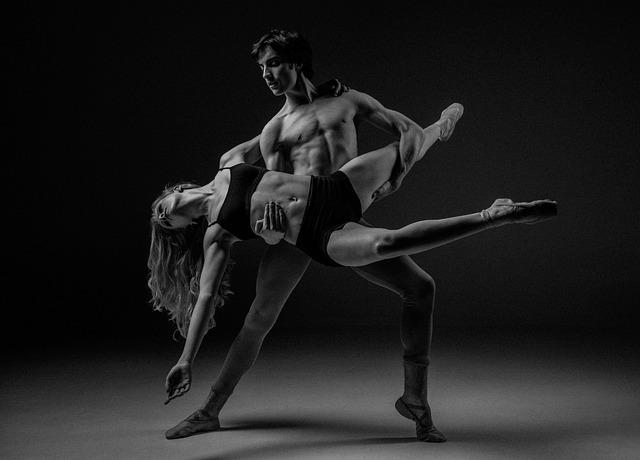
Pascal Molat: Bridging French Elegance and American Innovation in Ballet
Formative Years at the Paris Opera Ballet School: Building a Foundation of Excellence
Pascal Molat’s journey in ballet began at the illustrious Paris Opera Ballet School, renowned globally for cultivating some of the finest dancers. From an early age, Molat was immersed in a demanding training environment that balanced technical mastery with expressive artistry, hallmarks of the school’s centuries-old tradition. The curriculum seamlessly integrated classical ballet fundamentals, musical sensitivity, and stagecraft-elements that would become signatures of Molat’s artistic identity. During this period, he also had the privilege of learning from eminent ballet masters, deepening his understanding of the rich French ballet heritage.
- Daily intensive technique sessions fostering discipline and endurance
- Regular performance showcases to develop stage confidence
- Exposure to classical masterpieces such as “Coppélia” and “Les Sylphides”
- Collaborative projects encouraging creative exchange among peers
This rigorous foundation not only honed Molat’s technical skills but also instilled core values of dedication, grace, and reverence for ballet. These formative experiences equipped him to later merge the time-honored French style with innovative approaches, enabling a seamless cultural dialogue in his subsequent career phases.
Embracing a Cross-Cultural Ballet Philosophy at the San Francisco Ballet School
Transitioning to the San Francisco Ballet School, Molat found a vibrant setting that celebrates the fusion of diverse ballet traditions. His Parisian training enriched the American institution’s pedagogy, fostering a unique blend of precision and expressive freedom. Molat’s teaching philosophy centers on adaptability, encouraging dancers to integrate the meticulousness of French technique with the dynamic, emotive qualities characteristic of American ballet.
Key elements of Molat’s cross-cultural approach include:
- Technical Rigor: Maintaining the exacting standards of French ballet while embracing innovative American interpretations
- Artistic Individuality: Promoting personal expression inspired by a variety of cultural influences
- Collaborative Feedback: Incorporating insights from diverse ballet experts to enrich learning
- Repertoire Diversity: Preparing dancers for both classical and contemporary works with equal skill
| Ballet Element | Paris Opera Ballet Style | San Francisco Ballet Adaptation |
|---|---|---|
| Arm Movements (Port de bras) | Controlled, refined elegance | Expressive, fluid gestures |
| Footwork | Precise and smooth transitions | Energetic and dynamic execution |
| Musical Interpretation | Strict timing adherence | Encouragement of rhythmic individuality |
Innovative Pedagogy and Choreographic Vision at San Francisco Ballet
At the San Francisco Ballet School, Molat has pioneered a teaching style that marries classical European discipline with contemporary American creativity. His curriculum challenges students to push beyond traditional ballet boundaries, integrating modern movement vocabularies and technological tools such as motion capture and video playback. These innovations provide dancers with immediate, detailed feedback, accelerating their technical refinement and artistic growth.
In choreography, Molat’s work is distinguished by its narrative boldness and inclusive casting. He frequently weaves multicultural dance influences and collaborates with local artists and digital media specialists to create immersive performances that blend live dance with cutting-edge visual effects. This approach not only broadens ballet’s storytelling capacity but also resonates with today’s diverse audiences.
| Innovation | Description |
|---|---|
| Hybrid Movement Styles | Fuses classical ballet with contemporary and urban dance forms |
| Technological Integration | Employs real-time video analysis to enhance rehearsal effectiveness |
| Collaborative Creation | Partners with multidisciplinary artists to enrich performance narratives |
| Diversity in Casting | Emphasizes inclusivity across cultural and stylistic backgrounds |
Guidance for Emerging Dancers: Lessons from Molat’s International Ballet Journey
For dancers aspiring to emulate Pascal Molat’s success, embracing a comprehensive training regimen combined with cultural openness is essential. His career underscores the value of mastering both classical technique and contemporary versatility, enabling seamless transitions between global ballet traditions. Aspiring artists should focus on continuous skill enhancement while remaining receptive to diverse dance philosophies and practices.
Essential strategies inspired by Molat’s transatlantic experience include:
- Engaging deeply with a broad spectrum of repertoires, from neoclassical to avant-garde
- Building international networks through workshops, festivals, and mentorships
- Developing language proficiency and cultural literacy to facilitate global collaborations
- Balancing rigorous technical discipline with authentic personal expression
| Focus Area | Advice |
|---|---|
| Technique | Dedicate consistent daily practice to fundamentals |
| Networking | Participate in international masterclasses and dance forums |
| Resilience | Embrace challenges as opportunities for growth |
| Cultural Adaptability | Learn new languages and immerse in local customs |
Final Thoughts: Pascal Molat’s Enduring Legacy in Ballet
Pascal Molat’s extraordinary path-from the revered stages of the Paris Opera to his influential role at the San Francisco Ballet School-embodies a harmonious blend of French refinement and American innovation. His unwavering commitment to artistic excellence and cultural exchange continues to inspire dancers across continents, highlighting ballet’s universal language and transformative power. As Molat fosters connections between European tradition and contemporary American artistry, his legacy stands as a beacon of cross-cultural collaboration in the performing arts landscape.