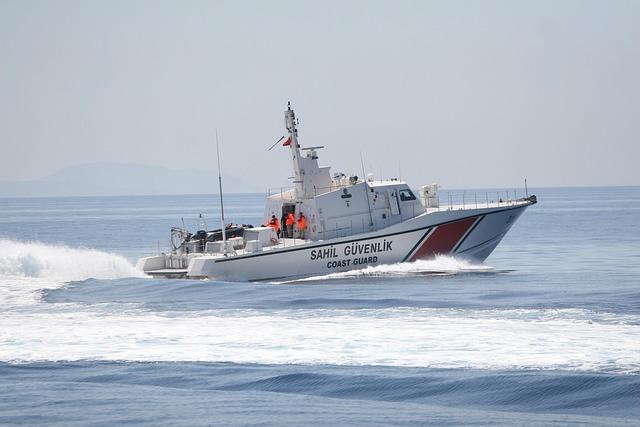
Search for Missing Boaters in San Francisco Bay Concludes Amidst Heartbreak
After an exhaustive five-day operation, the U.S. Coast Guard has officially ceased the search for three individuals who vanished in San Francisco Bay following a catastrophic boating accident. Eyewitnesses have likened the harrowing event to a modern-day maritime disaster, evoking comparisons to the infamous Titanic tragedy due to the chaos and peril experienced on the water. Despite the deployment of a comprehensive fleet including ships, helicopters, and drones, adverse weather and challenging sea conditions severely limited recovery efforts, compelling authorities to make the difficult decision to end the search.
This multi-agency response utilized cutting-edge maritime technology and coordinated resources to maximize the chances of locating the missing boaters. Key obstacles that influenced the suspension of the search included:
- Strong tidal currents combined with poor underwater visibility
- Rapid deterioration of underwater conditions reducing survivability
- Safety risks posed to rescue personnel amid worsening weather patterns
| Search Parameters | Details |
|---|---|
| Duration of Search | 5 Consecutive Days |
| Coast Guard Vessels Deployed | 6 Ships |
| Aircraft Involved | 3 Helicopters |
| Drone Units Utilized | 4 |
Witnesses Recount Chaotic Scenes Drawing Parallels to Historic Maritime Disasters
Those present during the incident described a terrifying sequence of events as the small vessel capsized amid the swift currents of San Francisco Bay late Sunday afternoon. Passengers were seen struggling against the turbulent waters, with some thrown into the bay and others desperately holding onto floating debris. One eyewitness remarked, “It felt like a real-life Titanic moment – people scattered in the cold water, panic spreading rapidly.” The swift intervention by Coast Guard teams and nearby boats was vital in preventing further loss, though the volatile conditions made rescue operations extremely challenging.
The ordeal was intensified by a sudden drop in temperature and escalating winds, conditions reminiscent of some of history’s most tragic sea disasters. First responders raced against time, contending with rough waters and limited visibility to locate the missing individuals. Below is a comparative overview highlighting similarities and differences between this incident and the Titanic tragedy:
| Factor | San Francisco Bay Incident | Titanic Disaster |
|---|---|---|
| Water Temperature | Frigid, chilling cold | Near freezing |
| Time of Occurrence | Late afternoon | Nighttime |
| Environmental Conditions | Strong currents and gusty winds | Calm seas but freezing temperatures |
| Duration of Rescue Efforts | Minutes to several hours | Several hours |
- Eyewitnesses emphasized the bay’s unpredictable and powerful currents.
- Survivors and observers praised the unwavering dedication of Coast Guard personnel.
- Emergency responders stressed the importance of caution for future boating activities in the area.
Rescue Operations in San Francisco Bay Confront Environmental and Logistical Hurdles
San Francisco Bay presents a uniquely challenging environment for search and rescue teams, with rapidly changing weather, strong tidal currents, and cold water temperatures that drastically reduce survival time for those stranded. These factors create a high-pressure scenario where every minute counts. Limited visibility caused by fog, dusk, or nightfall further complicates efforts to locate missing persons swiftly and safely.
In addition to natural challenges, rescue crews face operational risks and logistical complexities, including:
- Hazardous floating debris and unpredictable wave patterns that threaten vessel integrity and crew safety
- Physical and mental fatigue from extended search missions in cold, stressful conditions
- Communication disruptions due to technical malfunctions or signal interference
- Coordination difficulties among multiple agencies working simultaneously in a dynamic environment
| Risk Element | Potential Consequence | Preventative Measures |
|---|---|---|
| Exposure to Cold Water | Rapid onset of hypothermia | Immediate extraction and warming protocols |
| Poor Visibility | Delayed victim detection | Deployment of infrared imaging and sonar technology |
| Responder Fatigue | Reduced decision-making ability | Scheduled shift rotations and mandatory rest breaks |
Best Practices for Boater Safety in Busy and Hazardous Waterways
Operating a vessel in congested or hazardous waters demands more than basic seamanship; it requires thorough preparation, constant vigilance, and respect for the unpredictable nature of the environment. Maritime safety experts stress the importance of maintaining open communication with local authorities and utilizing the latest navigation and weather monitoring tools to anticipate changes and avoid potential dangers.
Before setting out, boaters should perform comprehensive safety inspections and ensure that essential equipment such as life jackets, emergency signaling devices, and personal locator beacons are onboard and easily accessible. Maintaining appropriate speeds and using proper lighting during low-visibility conditions are critical to preventing accidents and ensuring early detection by other vessels.
Key safety recommendations include:
- Submit a Float Plan: Share detailed trip information with a reliable contact, including expected return times.
- Monitor Weather and Water Conditions: Stay informed of forecasts and tidal changes throughout the journey.
- Know Local Hazards: Understand the location of underwater obstacles, strong currents, and restricted zones.
- Prepare the Crew: Conduct safety drills and assign clear roles for emergency situations.
Below is a summary of essential safety gear recommended by the Coast Guard for navigating high-traffic and challenging waters:
| Equipment | Function | Recommended Quantity |
|---|---|---|
| Life Jackets | Provide buoyancy and keep individuals afloat | One per person onboard |
| VHF Marine Radio | Enables real-time communication with Coast Guard and other vessels | At least one per vessel |
| Flares or Visual Signaling Devices | Used to signal distress and attract attention | Multiple units recommended |
| EPIRB (Emergency Position Indicating Radio Beacon) | Automatically transmits location during emergencies | Highly recommended for all vessels in hazardous areas |
Final Thoughts on the San Francisco Bay Boating Tragedy
The decision to halt the search for the three missing boaters in San Francisco Bay is a deeply sorrowful moment for rescuers, families, and the wider community. Despite the tireless efforts of the Coast Guard and partner agencies, no trace of the individuals has been discovered. Authorities continue to emphasize the critical importance of safety and preparedness for all who venture onto the water.
As investigations proceed, this tragic event serves as a poignant reminder of the inherent risks associated with maritime activities and the necessity for vigilance, respect for nature’s power, and adherence to safety protocols. With boating incidents on the rise nationwide-according to the U.S. Coast Guard’s 2023 Recreational Boating Statistics reporting a 7% increase in accidents-these lessons are more vital than ever for protecting lives on the water.