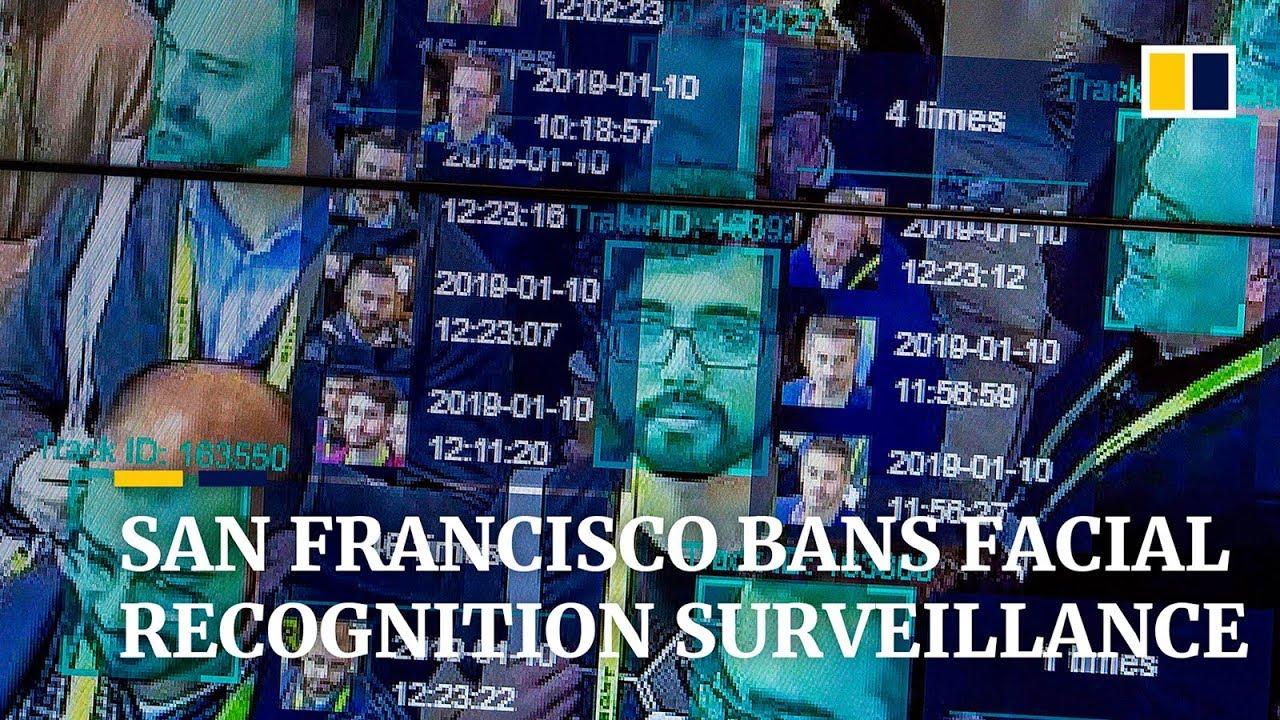
San Francisco Leads the Nation in Banning Facial Recognition Technology
San Francisco’s Groundbreaking Prohibition on Facial Recognition
San Francisco has made history as the first major city in the United States to officially ban the use of facial recognition technology by municipal agencies. This pioneering legislation, announced recently, responds to escalating concerns about privacy violations, systemic biases, and the ethical dilemmas posed by AI-driven surveillance tools. As facial recognition becomes more intertwined with law enforcement and public administration, San Francisco’s bold stance highlights a critical juncture in the national conversation about safeguarding civil liberties amid rapid technological advancement.
The ordinance enforces a comprehensive ban across all city departments, including the police force, forbidding the acquisition, deployment, or experimentation with facial recognition systems unless explicitly authorized by the city legislature. The key provisions of this policy include:
- Complete prohibition of facial recognition software in public monitoring efforts
- Obligatory transparency regarding any biometric data collection activities
- Community oversight mechanisms to uphold privacy rights and ethical standards
| Policy Element | San Francisco’s Approach | Expected Outcome |
|---|---|---|
| Use of Technology | Absolute ban | Mitigates risks of misuse and abuse |
| Public Safety Strategy | Adoption of alternative methods | Encourages privacy-respecting innovations |
| Governance | Legislative oversight | Ensures ethical compliance and accountability |
Privacy and Civil Rights: The Core Motivations Behind the Ban
San Francisco’s decision to outlaw facial recognition technology stems from deep-rooted concerns about privacy infringements and civil rights violations. Facial recognition systems often operate covertly, collecting biometric data without individuals’ informed consent, thereby enabling pervasive surveillance in public areas. Studies have repeatedly shown that these technologies exhibit significant inaccuracies, particularly misidentifying women and people of color at disproportionately high rates. This raises serious questions about fairness, discrimination, and the potential for unjust profiling.
From a civil liberties standpoint, the ban reflects growing apprehension about surveillance tools that could suppress freedoms of speech, assembly, and protest. By restricting facial recognition, San Francisco aims to protect democratic values through enhanced transparency and accountability. The main issues addressed by the ban include:
- Data security vulnerabilities: Risks of unauthorized access or breaches involving sensitive biometric information.
- Discriminatory surveillance: Minority populations facing disproportionate monitoring and misidentification.
- Regulatory gaps: Lack of comprehensive laws governing ethical AI deployment.
| Concern Area | Explanation |
|---|---|
| Privacy | Collection of biometric data without explicit permission |
| Equality | Higher error rates affecting marginalized communities |
| Freedom | Potential deterrent effect on public demonstrations and gatherings |
Repercussions for Law Enforcement and Public Safety Operations
The facial recognition ban compels San Francisco’s law enforcement agencies to rethink their surveillance and investigative methodologies. Without access to this technology, police must increasingly depend on traditional approaches such as community engagement, eyewitness accounts, and intensified patrol efforts. While facial recognition previously enabled swift suspect identification, its removal raises concerns about possible delays in investigations, especially in urgent or high-profile cases. Consequently, law enforcement officials are revising training programs and exploring alternative technologies that respect privacy while maintaining effectiveness.
Notable shifts in policing and safety protocols include:
- Greater reliance on human intelligence and community partnerships.
- Expanded deployment of body-worn cameras and audio devices for evidence gathering.
- Improved inter-agency data sharing without biometric tracking.
- Adoption of privacy-conscious surveillance tools compliant with new regulations.
| Pre-Ban Practices | Post-Ban Adaptations |
|---|---|
| Use of facial recognition for crowd monitoring | Enhanced officer situational awareness training |
| Automated identification of suspects | Collaboration with community groups for investigative leads |
| Biometric databases linked to law enforcement | Focus on non-invasive crime prevention strategies |
Officials emphasize the importance of maintaining public safety while respecting civil rights. By fostering community trust and innovating within privacy boundaries, San Francisco aims to serve as a model for balancing security needs with individual freedoms. Ongoing evaluation and adaptation will be essential to ensure these new approaches effectively deter crime without compromising ethical standards.
Guidance for Other Cities Considering AI Surveillance Restrictions
For municipalities contemplating similar bans or limitations on facial recognition and AI surveillance, prioritizing open community dialogue is crucial. Engaging residents, civil rights advocates, and law enforcement through public forums and consultations helps craft policies that reflect diverse perspectives and build public trust. Transparency about the capabilities and risks of these technologies is vital to prevent misunderstandings and unintended consequences. Establishing independent oversight committees can further ensure compliance and assess the real-world effects of restrictions.
Legislators might also adopt a graduated regulatory framework to address varying levels of AI risk, allowing for nuanced governance that balances innovation with privacy protection. This tiered approach can clarify permissible uses and restrictions for different AI applications, from high-risk facial recognition to lower-risk tools like traffic management systems. Additionally, investing in education on AI ethics and data privacy for both officials and the public fosters informed decision-making and sustainable policy development.
| AI Risk Category | Suggested Restrictions | Objective |
|---|---|---|
| High Risk (e.g., Facial Recognition) | Full prohibition in public domains | Safeguard privacy and prevent misuse |
| Moderate Risk (e.g., Behavioral Analytics) | Conditional use with transparency and audits | Promote accountability and reduce bias |
| Low Risk (e.g., Traffic Optimization AI) | Permitted with minimal oversight | Encourage innovation and operational efficiency |
Conclusion: A New Chapter in the Intersection of Technology and Rights
By banning facial recognition technology for government use, San Francisco has set a powerful precedent in the ongoing national dialogue about privacy, security, and civil liberties. Supporters view this move as a vital safeguard against potential abuses and discrimination, while critics warn of challenges for law enforcement effectiveness. As other cities and states observe San Francisco’s experience, the decision underscores the urgent need to harmonize technological progress with ethical responsibility in an era of increasing surveillance.