
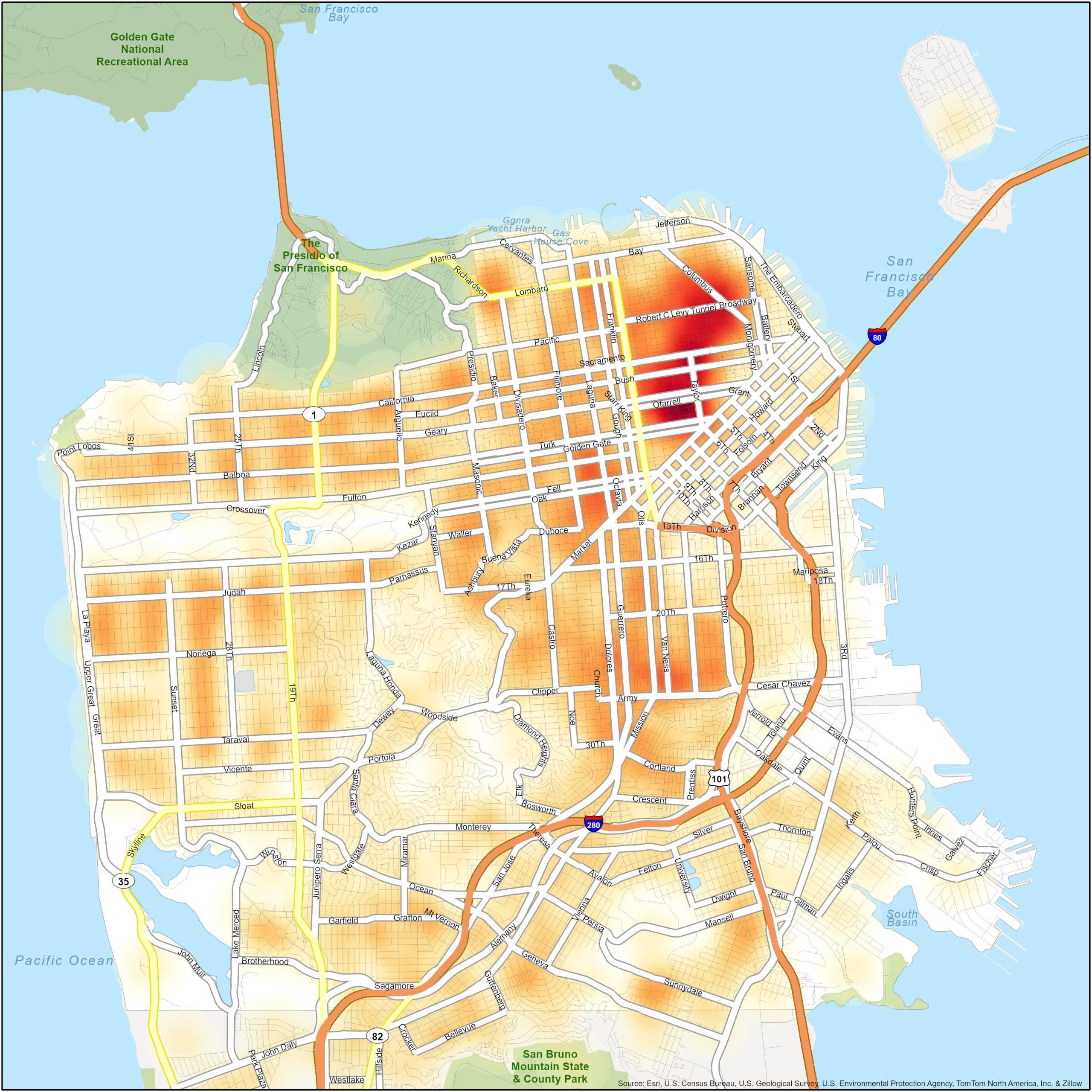
Analyzing the Surge in Crime in San Francisco: Causes, Consequences, and Solutions
Understanding the Rise in Crime and Its Root Drivers in San Francisco
San Francisco, once celebrated for its cultural vibrancy and scenic landmarks, has recently experienced a significant uptick in criminal incidents. Recent data from the Hoover Institution places the city among the highest in crime rates nationwide, igniting intense discussions among community members, policymakers, and criminologists. This surge encompasses both violent crimes and property offenses, reflecting a multifaceted crisis.
Experts link this escalation to intertwined social and economic challenges. The city faces a growing homelessness crisis, widespread substance abuse, and a police force grappling with limited resources amid increasing demands. Moreover, recent legislative reforms—such as bail adjustments and the decriminalization of certain offenses—have sparked debate over their unintended effects on public safety. The consequences are palpable: business owners report losses, residents feel less secure, and neighborhoods once deemed safe now face frequent criminal activity.
Key contributors to the crime increase include:
- Economic Inequality: Soaring housing prices have displaced many, pushing vulnerable populations into unstable living conditions.
- Public Health Challenges: Insufficient mental health and addiction services perpetuate cycles of criminal behavior.
- Law Enforcement Limitations: Political pressures and budget constraints have hindered effective policing.
| Type of Crime | Percentage Increase in 2021 | Community Impact |
|---|---|---|
| Robbery | 28% | Decline in pedestrian activity in shopping districts |
| Vehicle Theft | 34% | Higher insurance costs across the city |
| Assault | 21% | Increased fear among residents during nighttime |
How Policy Choices Influence Public Safety in San Francisco
Municipal and state policy decisions have played a pivotal role in shaping San Francisco’s public safety landscape. Budgetary priorities have shifted, often favoring social services over traditional law enforcement funding. For example, police budgets have been cut by approximately 10% over the past three years, leading to fewer patrol officers and longer emergency response times. Legislative reforms like Proposition 47, which downgraded certain felonies to misdemeanors, have also altered the criminal justice system’s deterrence capacity, contributing to higher rates of repeat offenses.
Below is a comparative overview of key policy areas and their effects on safety metrics:
| Policy Domain | San Francisco’s Approach | Effect on Crime and Safety |
|---|---|---|
| Police Budget | Reduced by 10% over three years | Longer wait times for police response, fewer patrols |
| Sentencing Reform | More offenses classified as misdemeanors | Increase in recidivism rates |
| Investment in Social Programs | Expanded funding for addiction treatment | Mixed outcomes in crime reduction |
While these reforms aim to address systemic issues, experts caution that without a balanced strategy combining effective policing and social support, crime rates may continue to climb. Transparent policy evaluations, community involvement, and flexible responses to evolving challenges are essential to reversing current trends.
Impact on Communities and Economic Ramifications of Crime Growth
The surge in crime has deeply affected San Francisco’s neighborhoods, disrupting everyday life and eroding social trust. Residents increasingly voice concerns about personal safety, which has weakened community bonds and deterred local business patronage. Public spaces such as schools, parks, and transit stations have become hotspots for safety worries, complicating routine activities and diminishing quality of life.
Economically, the consequences are significant. Small businesses face rising losses due to theft and vandalism, leading to closures and job cuts. The city’s budget has also been strained by increased spending on law enforcement and judicial processes, diverting funds from other vital community services. The table below summarizes key economic impacts:
| Economic Factor | Effect |
|---|---|
| Revenue for Local Businesses | Declined by up to 15% in high-crime zones |
| Residential Property Values | Dropped by approximately 10% in affected areas |
| City Public Safety Expenditure | Increased by 30% |
| Employment Rates | Job losses due to business shutdowns have risen |
- Insurance costs have escalated, burdening homeowners and entrepreneurs alike.
- Tourism income has declined as visitors avoid neighborhoods with high crime.
- Funding for community initiatives has been squeezed due to reallocations toward crime control.
Comprehensive Strategies to Enhance Safety and Accountability
Addressing San Francisco’s crime surge demands a holistic approach that bolsters law enforcement capabilities while fostering community collaboration. Increasing police funding should be coupled with enhanced training focused on de-escalation techniques, cultural sensitivity, and accountability. Implementing independent oversight mechanisms and clear performance benchmarks can rebuild public confidence in law enforcement agencies. Strengthening partnerships between police and local organizations will also facilitate targeted interventions addressing crime’s root causes.
Simultaneously, the city must significantly expand social services aimed at mitigating homelessness, mental health crises, and substance abuse—key factors fueling criminal behavior. A multi-pronged plan should include:
- Expanded mental health crisis teams capable of rapid, on-site intervention
- Increased affordable housing projects to reduce street homelessness
- Comprehensive workforce development programs to alleviate economic hardship
- Community policing initiatives to strengthen ties between residents and law enforcement
| Initiative | Primary Benefit | Expected Rollout |
|---|---|---|
| Independent Police Review Board | Enhanced transparency and accountability | 6 to 12 months |
| Mental Health Rapid Response Units | Reduction in violent encounters | 12 to 18 months |
| Affordable Housing Expansion | Decrease in homelessness rates | 18 to 24 months |
Final Thoughts
The Hoover Institution’s recent findings underscore the intricate and pressing nature of San Francisco’s crime challenges. Rising incidents of theft, violence, and property damage reflect deeper social, economic, and policy-related issues that require coordinated responses. While the city’s unique environment complicates these problems, collaborative efforts among law enforcement, policymakers, and community stakeholders offer a path forward. Through informed dialogue and strategic action, San Francisco can work toward restoring safety and revitalizing its neighborhoods for residents and visitors alike.