
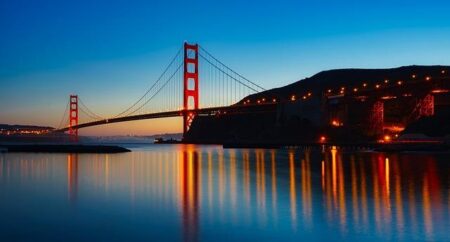
“Portals of the Past,” a new exhibit at the San Francisco Chronicle building, offers a captivating look into the city’s history through interactive displays and archival photos, bridging past and present for visitors.
“Portals of the Past,” a new exhibit at the San Francisco Chronicle building, offers a captivating look into the city’s history through interactive displays and archival photos, bridging past and present for visitors.
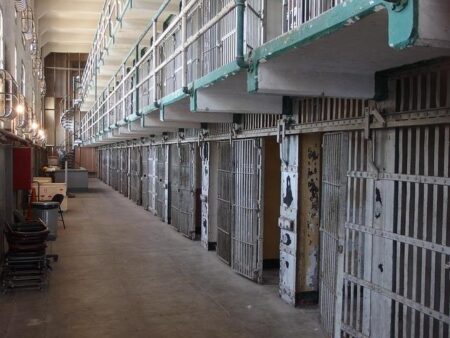
Alcatraz prison, known for housing America’s most dangerous criminals, closed in 1963 due to high operating costs and deteriorating facilities. PBS explores the factors behind the island’s infamous prison shutdown.
1969 marked a pivotal year of upheaval and transformation, with events from Woodstock to the moon landing signaling major societal change. Our timeline highlights the defining moments that shaped a turbulent era.
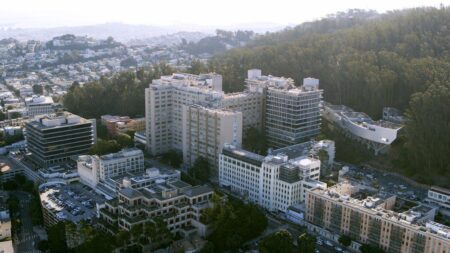
One of the largest human experiments in history was conducted on unsuspecting San Francisco residents in the 1950s. Government scientists secretly sprayed bacteria to study airborne disease spread, raising ethical questions.
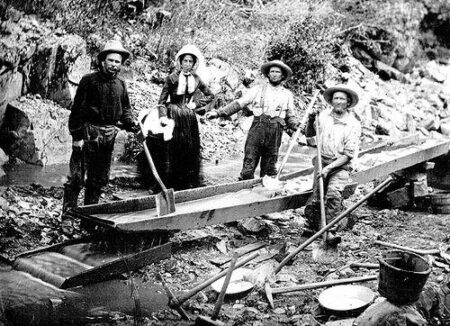
The National Geographic Society marks a century since the Gold Rush, highlighting its impact on migration, culture, and the environment. Their latest exhibit and documentary explore the legacy of this transformative era.
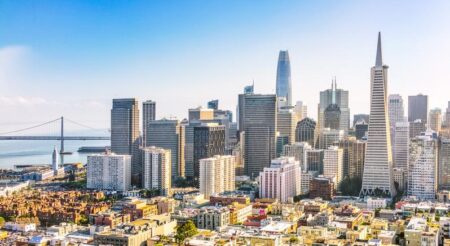
San Francisco faces a complex crisis of homelessness, housing shortages, and rising inequality. “What Happened to San Francisco, Really?� explores the city’s economic shifts, policy failures, and cultural challenges shaping its current state.
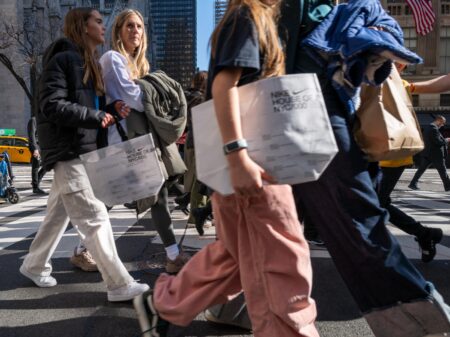
In the US, purchasing streets is a centuries-old practice rooted in urban development and privatization trends. This unusual facet of property ownership reflects evolving city planning and community control.
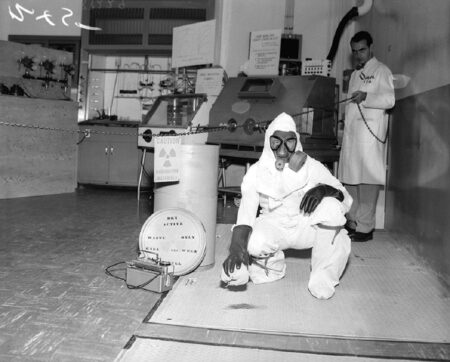
“One of the largest human experiments in history� targeted unsuspecting San Francisco residents, raising ethical questions. The covert study, recently uncovered, involved unknowing exposure to potentially harmful substances.
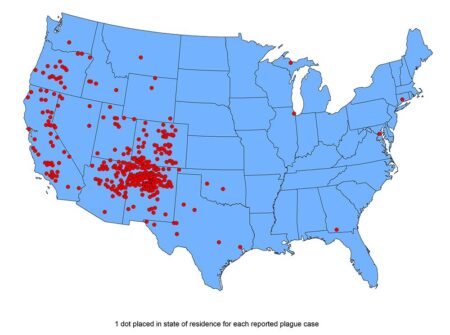
The first outbreak of plague in the U.S. saw officials initially deny its presence, fearing public panic. History.com reveals how this delay impacted early containment efforts and public health responses.