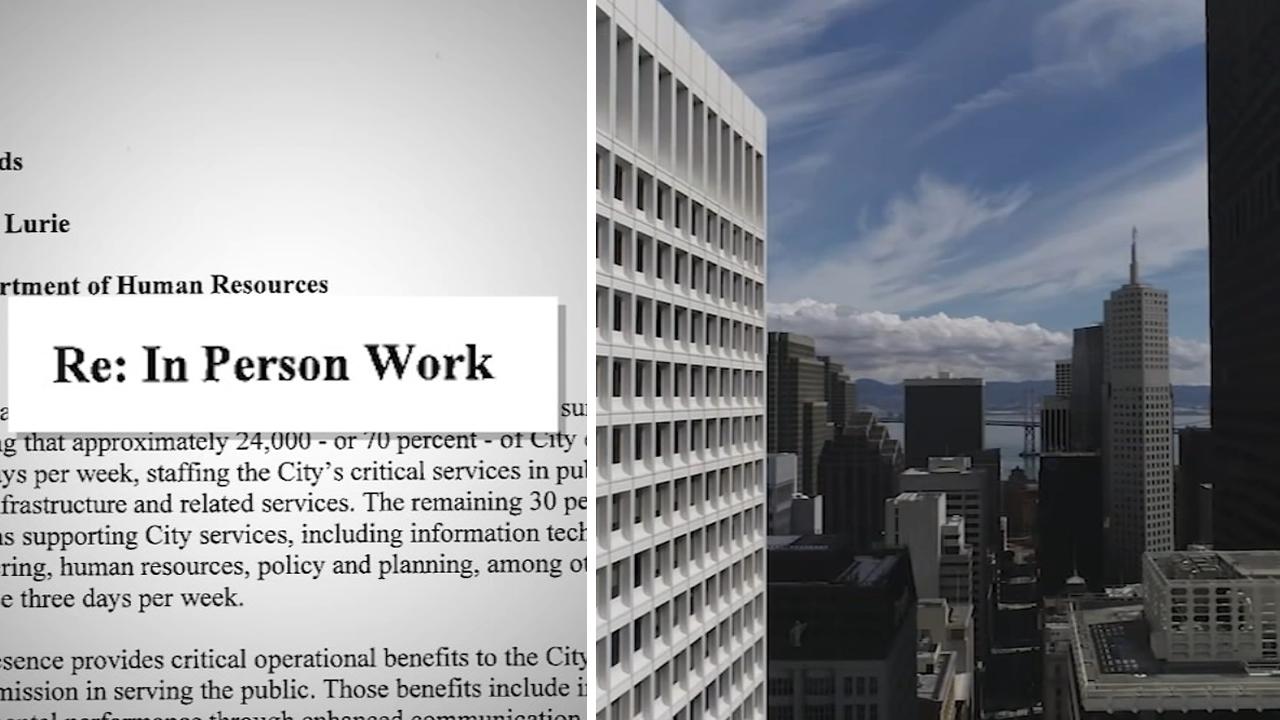
San Francisco’s Struggle with Office Reopenings: Lowest Return-to-Office Rates Among Major U.S. Cities
San Francisco Leads in Remote Work Preference Among Top U.S. Metros
Recent analyses reveal that San Francisco ranks at the bottom among major U.S. metropolitan areas in terms of employees returning to physical office spaces. Despite many companies reopening their doors and relaxing pandemic-era restrictions, a significant portion of the city’s workforce continues to embrace remote or hybrid work models. This persistent trend underscores a fundamental transformation in workplace culture, especially in a city renowned for its technological innovation and progressive work environments.
Several key elements contribute to San Francisco’s notably low return-to-office (RTO) figures:
- Rapid advancements in digital collaboration tools that maintain productivity without in-person presence
- Employees placing greater emphasis on mental well-being and reclaiming time otherwise spent commuting
- A tech ecosystem that encourages creativity and innovation beyond traditional office settings
- The rise of flexible co-working hubs providing alternatives to conventional office spaces
| City | Return-to-Office Rate (%) |
|---|---|
| New York | 68 |
| Chicago | 54 |
| Los Angeles | 48 |
| Washington D.C. | 46 |
| San Francisco | 38 |
Why Remote Work Remains Dominant in San Francisco
The enduring preference for remote work in San Francisco stems from a unique combination of economic, technological, and cultural factors. The city’s dense concentration of tech firms and startups means many roles are inherently suited to virtual collaboration, enabling employees to remain effective without daily commutes. Additionally, soaring housing prices and expensive commercial real estate compel both employers and workers to rethink the necessity of traditional office attendance.
Moreover, San Francisco’s workforce culture strongly values flexibility and personal autonomy. The pandemic accelerated a shift in employee expectations, with many prioritizing remote work to better manage family responsibilities, lifestyle preferences, and overall wellness. Concerns about public transportation reliability and urban safety further discourage frequent office visits. Key influences shaping this trend include:
- Industry alignment: Tech jobs naturally lend themselves to remote work
- Economic pressures: High living and office space costs reduce incentives for commuting
- Cultural evolution: Increasing demand for flexible work arrangements
- Urban infrastructure challenges: Transit delays and safety issues deter office returns
| Factor | Effect on Remote Work Adoption |
|---|---|
| Tech Industry | Enables seamless remote collaboration |
| Cost of Living | Encourages telecommuting to save on commuting expenses |
| Workforce Culture | Supports flexible schedules and autonomy |
| Urban Infrastructure | Transit and safety concerns reduce office visits |
Economic Consequences of Reduced Office Attendance in San Francisco
The decline in office occupancy has had a profound impact on San Francisco’s local economy, particularly affecting small businesses and service providers that once thrived on the daily influx of office workers. Restaurants, coffee shops, and retail outlets have experienced sharp revenue declines, with many forced to downsize or shutter operations entirely. This downturn threatens the vibrancy and economic health of the city’s commercial districts.
Data indicates that downtown San Francisco sees roughly 35% fewer commuters daily compared to pre-pandemic levels. This reduction disrupts supply chains, diminishes demand for public transit, and leads to job losses across multiple sectors. The table below contrasts San Francisco’s situation with other major metropolitan areas:
| Metro Area | Return-to-Office Rate | Business Impact | Average Revenue Change |
|---|---|---|---|
| San Francisco | 25% | Severe | -40% |
| New York City | 45% | Moderate | -15% |
| Chicago | 50% | Moderate | -12% |
| Atlanta | 55% | Mild | -8% |
- Significant drop in pedestrian traffic impacting eateries and specialty shops
- Reduced public transit ridership leading to job cuts and service reductions
- Increased office vacancies putting pressure on commercial real estate markets
- Declining local tax revenues affecting public services and infrastructure projects
Effective Approaches for Employers to Boost Office Return Rates
To encourage employees to return to physical workplaces, companies must innovate beyond traditional office models by emphasizing flexibility and tailored incentives. Hybrid work schedules that blend remote and in-office days can enhance employee satisfaction and productivity. Upgrading office spaces with collaborative zones and wellness amenities can foster a sense of community and reduce stress. Transparent communication about health protocols and the benefits of in-person teamwork can also alleviate employee concerns.
Some impactful strategies include:
- Offering commuter benefits and flexible start times to ease travel burdens
- Providing exclusive onsite professional development and training sessions
- Organizing social gatherings and team-building events to rebuild workplace camaraderie
- Implementing and clearly communicating robust health and safety measures
| Strategy | Effectiveness |
|---|---|
| Flexible Scheduling | High |
| Enhanced Office Amenities | Medium |
| Commuter Support | Medium |
| Onsite Training Programs | High |
Conclusion: The Future of Work in San Francisco
As San Francisco continues to lag behind other major U.S. cities in office return rates, the long-term effects on its economy and urban fabric remain uncertain. Stakeholders—including businesses, policymakers, and residents—are closely monitoring how this evolving work landscape will shape the city’s future. The ongoing shift toward remote and hybrid work models in San Francisco may well serve as a leading indicator for other metropolitan areas navigating the post-pandemic era.