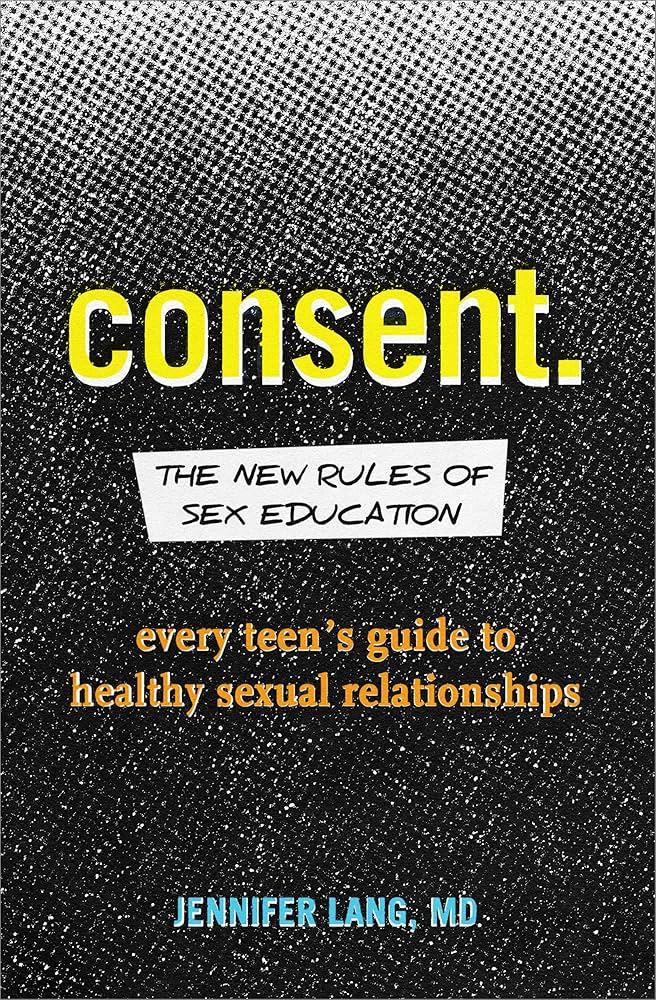
Redefining Consent: The Rise of Affirmative Consent Standards
In recent years, the concept of sexual consent has undergone a significant transformation, moving away from the traditional “No Means No” approach toward a more proactive “Yes Means Yes” or affirmative consent model. This shift emphasizes that consent must be an explicit, enthusiastic, and continuous agreement to engage in sexual activity, rather than merely the absence of refusal. Advocates argue that this framework empowers individuals to communicate their boundaries clearly and helps reduce incidents of sexual misconduct by setting a higher standard for mutual agreement.
Unlike the older model, which placed the responsibility on one party to reject unwanted advances, affirmative consent requires all participants to actively express willingness. This change reflects broader cultural movements toward respecting autonomy and fostering open dialogue about sexual interactions. However, despite its progressive intent, implementing this standard in educational and legal contexts remains a complex endeavor.
Challenges in Applying Affirmative Consent in Real-World Contexts
While the affirmative consent model aims to clarify sexual boundaries, its practical application often encounters obstacles. Determining genuine consent can be complicated by factors such as power imbalances, intoxication, or social pressures that influence decision-making. For example, a 2023 study by the National Sexual Violence Resource Center found that nearly 40% of college students reported uncertainty about whether their partner’s consent was fully enthusiastic, highlighting the ambiguity that can arise in intimate situations.
Moreover, educators and legal professionals grapple with defining what constitutes “enthusiastic” consent and how to verify it in disputes. Some critics caution that requiring constant verbal affirmation may impose unrealistic expectations, potentially hindering natural communication and intimacy. These concerns underscore the need for nuanced approaches that balance clear communication with the complexities of human interaction.
- Explicit verbal consent is crucial but can be challenging to obtain consistently.
- Contextual factors such as social dynamics and emotional states affect consent clarity.
- Legal definitions of consent vary, complicating enforcement and education.
Addressing the Subtleties of Consent in Education
Teaching sexual consent extends beyond repeating the phrase “Yes Means Yes.” It involves preparing young adults to navigate the often ambiguous realities of intimate encounters. Many students face situations where consent is unclear—not due to ill intent but because of discomfort, peer influence, or fear of awkwardness. Educators stress that consent should be viewed as an ongoing dialogue, adaptable to shifting feelings and circumstances.
Effective consent education must explore:
- The role of nonverbal signals and their interpretation
- How power imbalances influence consent dynamics
- Challenges posed by intoxication or coercion
- The emotional effort involved in requesting and granting consent
Consider these common scenarios often discussed in educational settings:
| Situation | Consent Status | Suggested Response |
|---|---|---|
| Partner appears hesitant but silent | Ambiguous | Pause and seek clear confirmation |
| Consent given under peer pressure | Uncertain | Respect hesitation and reconsider |
| Clear verbal agreement | Definitive | Proceed with confidence |
| No response to consent request | Absent | Do not continue |
By recognizing these nuances, sexual education programs can better equip students to engage in respectful and safe interactions, fostering a culture where consent is actively sought and valued.
Enhancing Communication Skills for Respectful Intimacy
At the heart of any consensual sexual encounter lies effective communication. Establishing both clear verbal and nonverbal signals helps prevent misunderstandings and creates a safe environment for expressing personal boundaries. Active listening—where partners attentively seek to understand each other’s feelings rather than simply respond—is essential. Regularly checking in with questions like “Are you comfortable?” or “Would you like to keep going?” helps maintain mutual respect throughout the experience.
- Enthusiastic consent: Consent should be affirmative, ongoing, and freely given.
- Respecting silence or hesitation: These cues must be acknowledged as valid indicators of discomfort.
- Empathy and patience: Recognize that comfort levels differ and evolve over time.
| Communication Technique | Advantage |
|---|---|
| Open-ended questions | Promotes honest and detailed conversations |
| Reflective listening | Validates emotions and intentions |
| Awareness of body language | Identifies unspoken discomfort or consent |
Building a Robust Consent Education Framework
To effectively teach consent, educational institutions must adopt interactive, inclusive strategies that resonate with diverse student bodies. Moving beyond lectures, programs should incorporate role-playing exercises, open forums, and personal narratives that encourage empathy and critical reflection. Emphasizing that consent is a continuous, enthusiastic agreement—not a one-time formality—helps students internalize its importance.
Supplementary resources such as videos, case studies, and anonymous question sessions provide safe spaces for students to explore complex scenarios. Collaboration among educators, parents, and mental health experts is vital to reinforce these lessons both inside and outside the classroom.
Key elements for a successful consent curriculum include:
| Component | Focus Area | Implementation Suggestion |
|---|---|---|
| Active Listening | Communication Proficiency | Use paired role-play to practice empathetic responses |
| Legal Awareness | Rights and Responsibilities | Invite legal experts or law enforcement for talks |
| Emotional Intelligence | Boundary Recognition | Incorporate mindfulness and self-awareness exercises |
| Peer Influence | Social Dynamics | Facilitate group discussions to challenge stereotypes |
Looking Ahead: The Future of Consent Education
The ongoing evolution of consent education, epitomized by the “Yes Means Yes” philosophy, represents a pivotal change in how sexual interactions are understood and taught. Although challenges remain in defining and applying affirmative consent, its focus on clear, enthusiastic agreement fosters healthier communication and mutual respect. As educational programs continue to adapt, the goal remains to cultivate a culture where consent is not only expected but actively nurtured, ensuring safer and more respectful relationships for all.