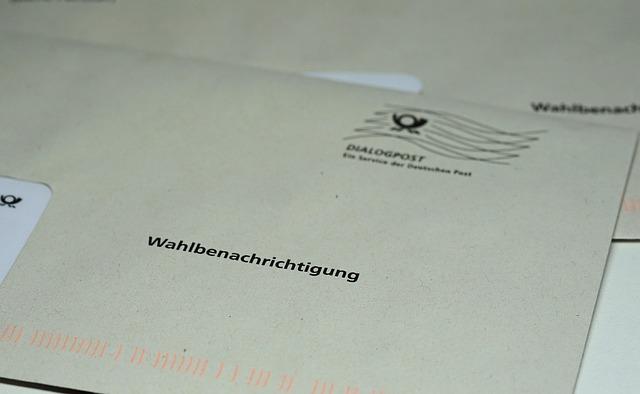
The Department of Justice has issued subpoenas to California election officials amid expanding investigations into alleged voter fraud, according to reports from the San Francisco Chronicle. This move marks a significant escalation in federal scrutiny of election integrity in the nation’s most populous state, as authorities seek to uncover potential irregularities in recent voting processes. The subpoenas underscore growing tensions over election security and highlight the DOJ’s intensified efforts to probe claims that have roiled political discourse nationwide.
DOJ Targets California Election Officials in Expanding Voter Fraud Investigation
The Department of Justice has escalated its scrutiny of electoral processes in California, issuing subpoenas to multiple state and county election officials amid widening investigations into alleged voter fraud. This move highlights federal authorities’ intensified focus on the integrity of elections, challenging longstanding confidence in the Golden State’s voting systems. While the scope and specifics of the probe remain undisclosed, sources indicate that the DOJ is examining a range of irregularities, including:
- Possible discrepancies in voter registration rolls
- Unusual patterns in absentee ballot handling
- Allegations of illegal vote harvesting and ballot tampering
California officials, meanwhile, have expressed concern over the subpoenas, emphasizing the state’s robust security measures and transparency efforts. Below is a snapshot of the key players now under federal examination:
| Agency | Region | Role |
|---|---|---|
| California Secretary of State | Statewide | Election oversight and voter registration |
| Los Angeles County Registrar | Los Angeles | Ballot distribution and counting |
| San Francisco Department of Elections | San Francisco | Polling station management |
Unpacking the Scope and Implications of Federal Subpoenas in State Election Oversight
The Department of Justice’s recent subpoenas directed at California election officials underscore an increasingly assertive federal posture in overseeing state electoral processes. These legal demands stretch beyond routine audits, signifying a comprehensive effort to access internal communications, voter data, and procedural records that could illuminate potential vulnerabilities or irregularities in last year’s elections. The scope of these subpoenas reflects the DOJ’s intention to gather extensive evidence, signaling a pivot towards greater federal involvement in what has traditionally been a domain managed by states.
Key implications of federal subpoenas in this context include:
- State sovereignty concerns: States may perceive such federal actions as overreach, potentially complicating intergovernmental relations.
- Transparency pressures: Officials are compelled to disclose data that could be politically sensitive, affecting public trust.
- Legal precedents: These actions could set new standards for federal intervention in election oversight moving forward.
| Aspect | Potential Impact |
|---|---|
| Data Access | Expanded federal review of voter rolls and ballots |
| State Compliance | Increased administrative burdens and legal scrutiny |
| Public Perception | Heightened political polarization around election integrity |
Experts Weigh In on Potential Impact to California’s Electoral Integrity and Public Trust
Prominent election law specialists and political analysts have expressed deep concern over the recent Department of Justice subpoenas targeting California election officials. They emphasize that while laws must be upheld, the emerging probes risk sowing doubt about the state’s electoral processes at a critical juncture. Experts highlight potential consequences:
- Undermining public confidence in election administration reliability.
- Increasing polarization around election integrity narratives.
- Potential delays and administrative burdens for future electoral cycles.
Several specialists argue that transparency and swift communication by officials are crucial to contain misinformation. A legal scholar underscored that, “Electoral integrity is not just about preventing fraud, but preserving faith that every vote counts.” The table below outlines key concerns raised by various experts:
| Expert | Affiliation | Primary Concern |
|---|---|---|
| Dr. Laura Benson | Stanford University | Public trust erosion |
| Mark Dunn | Election Law Institute | Legal overreach fears |
| Janelle Ortiz | California Policy Forum | Misinformation spread |
Recommendations for State Officials to Enhance Transparency and Strengthen Election Security Measures
State officials must prioritize enhancing transparency through the implementation of rigorous auditing processes and publicly accessible reporting systems. Creating centralized, easy-to-navigate online portals for election data can significantly improve public trust. These portals should include detailed information on voter registration, ballot processing timelines, and real-time updates on the security measures applied during elections. Additionally, collaboration with independent watchdog organizations can provide an extra layer of accountability, ensuring that election procedures are not only secure but also indisputably transparent.
Key measures recommended to strengthen election security include:
- Mandatory, regular cybersecurity training for all election personnel
- Deployment of multi-factor authentication for access to critical election systems
- Investment in advanced threat detection and response technologies
- Routine, bipartisan oversight with transparent audit trails
- Expanding public education campaigns on election integrity and fraud prevention
| Security Initiative | Expected Impact | Implementation Timeline |
|---|---|---|
| Comprehensive Voter Roll Audits | Reduce errors and outdated records | 6 months |
| Enhanced Ballot Tracking Systems | Improve transparency in ballot handling | 12 months |
| Cybersecurity Training Programs | Bolster defenses against digital attacks | Ongoing |
The Conclusion
As investigations into alleged voter fraud continue to expand, the Department of Justice’s subpoenas targeting California election officials underscore the intensifying federal scrutiny of election integrity practices. With the probe still unfolding, officials and legal experts alike await further developments that could have significant implications for the administration of elections in the nation’s most populous state. The San Francisco Chronicle will continue to monitor this story closely and provide updates as more information becomes available.