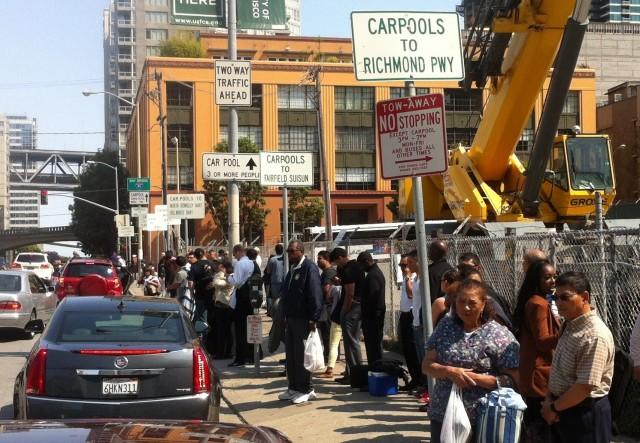
San Francisco’s Carpooling Networks: A Contemporary Reflection of Anarchist Principles
Voluntary Collaboration in Urban Mobility: The San Francisco Carpool Experience
San Francisco, a city renowned for its technological innovation and progressive ethos, has cultivated a unique carpooling culture that serves as a grassroots response to urban challenges such as traffic congestion, environmental degradation, and social inequality. These informal ride-sharing networks operate independently of centralized transportation authorities, embodying a model of self-governance and cooperation that resonates deeply with anarchist philosophy. By prioritizing mutual aid and voluntary participation, these groups demonstrate how decentralized systems can effectively address complex urban issues.
Key anarchist-inspired principles underpinning San Francisco’s carpooling initiatives include:
- Decentralized Decision-Making: Small, autonomous groups collaboratively determine routes, schedules, and membership without hierarchical oversight.
- Mutual Support: Participants offer rides to one another without financial transactions, fostering a culture of solidarity and shared responsibility.
- Voluntary Engagement: Involvement is entirely consensual, driven by a collective commitment to community welfare rather than coercion.
| Aspect | Conventional Public Transit | San Francisco Carpool Networks |
|---|---|---|
| Management | Centralized agencies | Self-managed collectives |
| Cost Structure | Fixed fares | Non-monetary exchange |
| Flexibility | Rigid schedules and routes | Adaptable, participant-driven |
| Participation | Regulated and mandatory rules | Voluntary and trust-based |
Overcoming Obstacles and Unlocking Potential in Grassroots Transit
While San Francisco’s community-based carpooling networks offer promising alternatives to traditional transit, they face notable challenges. Coordinating schedules among diverse participants, ensuring equitable access, and navigating regulatory frameworks can complicate efforts to scale these initiatives. The reliance on interpersonal trust and community engagement, though a strength, also introduces variability in reliability and consistency. Participants often juggle conflicting commitments and encounter difficulties integrating with formal public transportation systems.
Despite these hurdles, such grassroots models present significant opportunities for innovation and social bonding. They act as real-world laboratories for decentralized governance, embodying anarchist ideals by prioritizing voluntary association and mutual aid over hierarchical control. Environmental benefits are substantial, with shared rides reducing the number of single-occupancy vehicles and lowering carbon emissions. Additional advantages include:
- Strengthened Social Networks: Enhancing interpersonal connections among community members.
- Environmental Impact: Contributing to sustainability goals by minimizing individual car use.
- Adaptive Systems: Offering flexibility that centralized transit often lacks.
| Challenge | Innovative Response | Resulting Benefit |
|---|---|---|
| Complex Coordination | Utilization of mobile apps and digital platforms | Streamlined scheduling and communication |
| Regulatory Barriers | Grassroots advocacy and policy engagement | Potential for supportive legislative changes |
| Variable Participation | Inclusive outreach and community-building efforts | Expanded and diversified user base |
Insights from Carpooling: Blueprint for Decentralized Social Structures
San Francisco’s informal carpool networks exemplify a dynamic form of decentralized social organization grounded in trust and mutual aid. Without reliance on formal authority, participants negotiate roles and responsibilities in real time, fostering a flexible and responsive system. This approach dissolves traditional hierarchies, emphasizing voluntary cooperation where contributions align with individual capacity and communal needs.
Notable strategies derived from these networks include:
- Collective Decision-Making: Routes and schedules are democratically adjusted based on ongoing participant input, ensuring inclusivity.
- Social Accountability: Trust is maintained through peer feedback and reputation rather than formal enforcement mechanisms.
- Efficient Resource Sharing: Vehicles and time are pooled to maximize utility and reduce waste, enhancing community resilience.
| Core Principle | Carpooling Illustration | Relevance to Anarchism |
|---|---|---|
| Voluntary Coordination | Collaborative selection of pickup locations | Fosters autonomy and collective empowerment |
| Peer-Based Accountability | Reputation systems sustain trust | Substitutes formal control with social norms |
| Shared Resources | Pooling vehicles to optimize availability | Demonstrates sustainable, cooperative living |
Promoting Community-Driven Mobility: Practical Approaches
At the heart of San Francisco’s carpooling movement lies a conscious departure from hierarchical transportation models, inviting communities to collaboratively design their own mobility solutions. This empowerment nurtures a sense of shared ownership and responsibility, reflecting anarchist ideals of mutual aid and voluntary cooperation. By reducing reliance on centralized institutions, these grassroots systems showcase urban resilience and adaptability.
To broaden the impact of such initiatives, it is essential to emphasize accessibility and inclusivity. Transparent communication channels and flexible participation frameworks enable these networks to accommodate diverse needs while maintaining robustness. Effective strategies include:
- Harnessing digital tools for real-time coordination and participant feedback.
- Implementing governance models that prioritize participant control over bureaucratic management.
- Offering incentives that highlight social and environmental benefits rather than financial gain.
Conclusion: Reimagining Urban Transit Through Decentralized Cooperation
Examining San Francisco’s carpooling culture reveals how anarchist principles manifest in practical, everyday urban life. Far beyond a mere transportation alternative, these grassroots networks illustrate the power of self-organization, voluntary cooperation, and rejection of hierarchical control. As cities worldwide confront mounting congestion and environmental crises, San Francisco’s model provides a compelling example of how decentralized, community-led initiatives can foster more sustainable, equitable urban futures. This case encourages policymakers and citizens alike to reconsider the potential of anarchist-inspired frameworks in shaping resilient and inclusive cities.