The 1989 Loma Prieta Earthquake: A Comprehensive Review of Its Impact and Legacy
Introduction: The Day the Bay Area Shook
At 5:04 p.m. on October 17, 1989, a powerful earthquake registering magnitude 6.9 struck the San Francisco Bay Area, profoundly affecting the region’s geography and communities. This seismic event, famously dubbed the “World Series earthquake” due to its occurrence during the Major League Baseball championship between the San Francisco Giants and Oakland Athletics, captured national attention as live broadcasts documented the initial tremors and ensuing chaos. The quake’s epicenter was located beneath the Santa Cruz Mountains along the San Andreas Fault, and its effects were felt as far north as Oregon and as far south as Los Angeles.
Geological Origins and Immediate Consequences
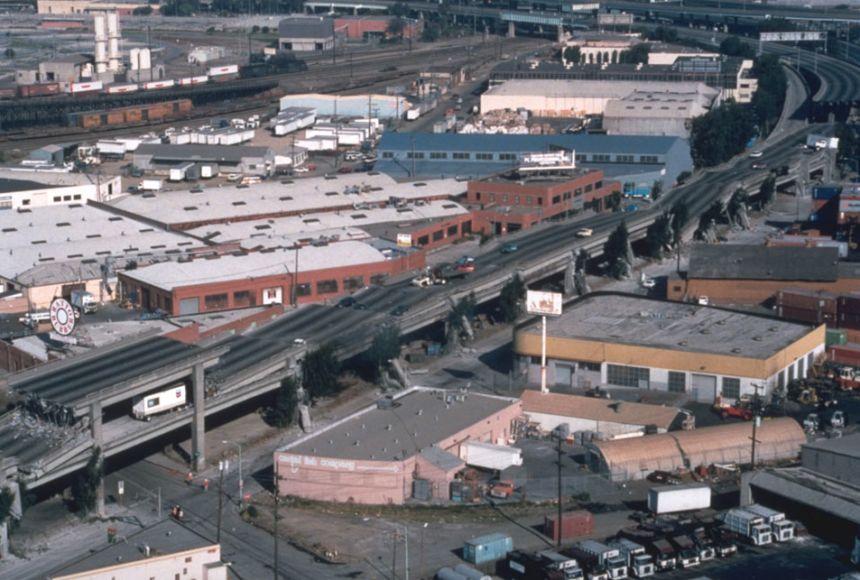
The Loma Prieta earthquake originated deep underground along a segment of the San Andreas Fault, releasing energy that shook the Bay Area for roughly 15 seconds. Despite its relatively short duration, the quake caused extensive damage, including the catastrophic collapse of the Cypress Street Viaduct in Oakland and significant structural harm to the San Francisco–Oakland Bay Bridge, two vital transportation corridors. The seismic waves also triggered landslides and surface ruptures, reshaping parts of the local terrain.
Human and economic tolls were severe: 63 people lost their lives, over 3,700 were injured, and thousands were displaced from their homes. The financial impact was staggering, with estimated damages exceeding $6 billion, prompting a reevaluation of infrastructure resilience and emergency preparedness throughout California.
| Parameter | Details |
|---|---|
| Magnitude | 6.9 |
| Duration | Approximately 15 seconds |
| Fatalities | 63 |
| Injuries | 3,757 |
| Economic Loss | Over $6 billion |
Structural Weaknesses Exposed by the Earthquake
The Loma Prieta quake highlighted significant vulnerabilities in the Bay Area’s built environment. The intensity of ground shaking varied dramatically depending on soil type and construction methods, revealing how seismic forces interact with different materials and foundations. Buildings situated on soft soils or landfill zones experienced amplified shaking, resulting in more severe damage compared to those anchored on bedrock.
Several categories of structures were particularly susceptible:
- Unreinforced masonry buildings: These older constructions often suffered wall collapses and posed serious risks from falling debris.
- Elevated concrete freeways and bridges: Many lacked sufficient reinforcement, leading to partial or total collapse, as seen with the Cypress Viaduct.
- Steel-framed buildings: Generally more flexible, these structures sustained minor damage but underscored the importance of balancing rigidity and ductility.
- Areas prone to liquefaction: Saturated soils lost strength, causing ground deformation and foundation failures.
| Structure Type | Damage Observed | Seismic Challenge |
|---|---|---|
| Unreinforced Masonry | Wall failures and injuries | Insufficient lateral support |
| Concrete Elevated Freeways | Collapse of sections | Inadequate reinforcement |
| Steel-framed Buildings | Minor structural issues | Need for flexibility |
| Soft Soil Zones | Severe shaking and liquefaction | Ground motion amplification |
Coordinated Emergency Response and Grassroots Recovery
In the quake’s immediate aftermath, emergency responders—including firefighters, paramedics, and search-and-rescue teams—acted swiftly despite obstacles such as blocked roads and damaged infrastructure. Local emergency operation centers activated communication systems that facilitated coordination between municipal agencies and federal bodies like FEMA. Mobile medical units were rapidly deployed to provide critical care and stabilize injured individuals before hospital transport.
Community involvement played a pivotal role in recovery. Neighborhood groups organized safety patrols and information sharing, while makeshift community kitchens supplied thousands of meals daily to displaced residents. Local businesses contributed by donating supplies and offering spaces for volunteer coordination, strengthening the social fabric during a time of crisis.
| Community Initiative | Role | Outcome |
|---|---|---|
| Neighborhood Watch Programs | Safety patrols and communication | Reduced crime and misinformation |
| Community Kitchens | Meal preparation and distribution | Addressed food insecurity |
| Local Business Support | Resource and space donation | Enhanced volunteer coordination |
Key Takeaways and Strategies for Future Earthquake Preparedness
The Loma Prieta earthquake served as a wake-up call, revealing critical gaps in infrastructure resilience and emergency management. Older buildings and bridges, constructed before modern seismic standards, bore the brunt of the damage. Initial response efforts were hampered by communication failures and logistical challenges, highlighting the necessity for interoperable systems and efficient resource deployment. Moreover, the event emphasized the importance of public education and community readiness, as many residents were unprepared despite living in a seismically active region.
Experts now advocate for several essential measures to reduce earthquake risks:
- Seismic retrofitting: Upgrading vulnerable structures to comply with current safety codes.
- Regular community drills: Conducting earthquake simulations to enhance public readiness and evacuation efficiency.
- Robust communication networks: Ensuring seamless coordination among emergency responders and agencies.
- Public awareness campaigns: Promoting preparedness through education on emergency kits, safe practices, and response protocols.
| Preparedness Measure | Benefit |
|---|---|
| Seismic Retrofitting | Minimizes risk of structural failure |
| Community Drills | Improves evacuation speed and order |
| Emergency Supply Kits | Supports survival post-disaster |
| Interagency Coordination Exercises | Enhances emergency response effectiveness |
Conclusion: Enduring Lessons from the Loma Prieta Earthquake
The 1989 Loma Prieta earthquake remains a landmark event in California’s seismic history, underscoring the unpredictable power of natural forces and the critical need for preparedness. Over thirty years later, the insights gained continue to shape building codes, emergency response strategies, and public education efforts across the West Coast. As urban populations grow and infrastructure ages, the legacy of Loma Prieta serves as a constant reminder to prioritize resilience and vigilance in the face of earthquake hazards.