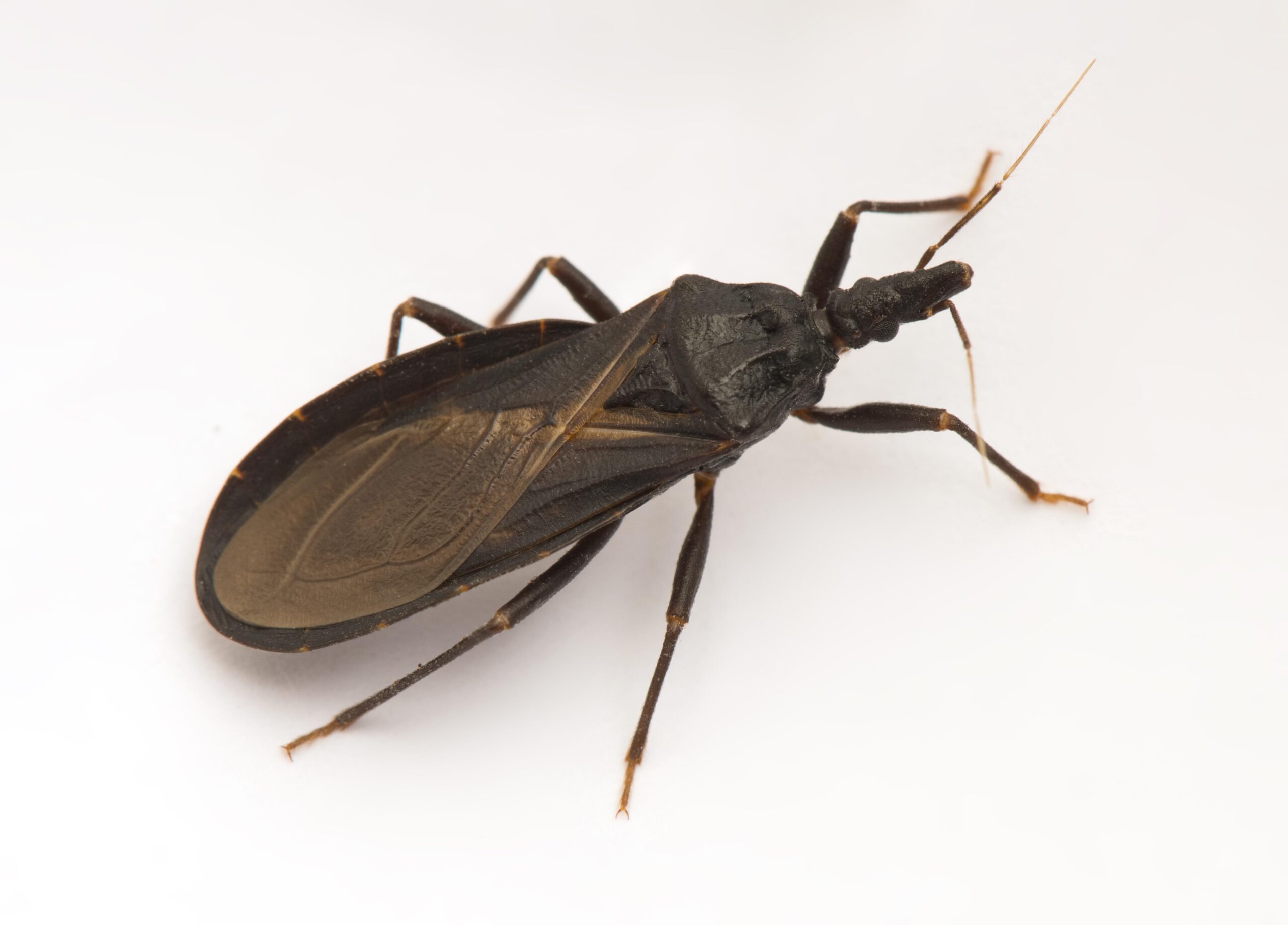
Emerging Concerns: Chagas Disease-Transmitting Insects Found in California
Detection of Chagas Disease Vectors in California
Recent investigations by entomologists have identified the presence of triatomine insects, commonly referred to as “kissing bugs,” in multiple regions across California. These insects are known carriers of the parasite Trypanosoma cruzi, the causative agent of Chagas disease. Although human infections within the state are still relatively rare, the discovery of these vectors in both rural and suburban environments has heightened public health awareness and prompted precautionary measures.
Health authorities highlight several important considerations for residents:
- Low transmission probability: Kissing bugs typically feed at night, and infection requires the parasite-laden feces to enter the bite site or mucous membranes, making transmission less common.
- Recognizing symptoms: Early signs include fever, fatigue, and localized swelling, while chronic infection can lead to serious cardiac and gastrointestinal complications.
- Preventive strategies: Home maintenance such as sealing entry points, installing insect screens, and minimizing outdoor lighting can reduce encounters with these insects.
| Aspect | Information |
|---|---|
| Insect Species | Triatomine bugs (“Kissing bugs”) |
| Parasite | Trypanosoma cruzi |
| Common Locations | Rural and suburban California |
| Human Risk Level | Generally low but warrants caution |
Chagas Disease: Risks, Symptoms, and Stages
Chagas disease results from infection by the parasite Trypanosoma cruzi, primarily transmitted through contact with the feces of infected triatomine bugs. These insects have been increasingly reported in California, sparking concerns about local transmission potential. It is important to note that not every bite leads to infection; the parasite must enter through broken skin or mucous membranes, emphasizing the importance of prompt wound cleaning.
Symptoms vary depending on the infection phase:
- Initial (acute) phase: Occurs within weeks to months post-infection, presenting with fever, fatigue, swelling near the bite, headaches, and sometimes rash.
- Long-term (chronic) phase: May develop years later, causing heart rhythm disturbances, heart enlargement, and digestive tract issues such as megaesophagus or megacolon.
Early recognition and medical evaluation are vital to prevent irreversible damage. Anyone suspecting exposure to kissing bugs, especially in endemic zones, should seek healthcare promptly.
| Infection Stage | Typical Symptoms | Severity |
|---|---|---|
| Acute | Fever, swelling, fatigue | Moderate |
| Chronic | Cardiac and digestive complications | Severe |
Ongoing Public Health Initiatives and Monitoring
California’s health departments have intensified surveillance programs targeting triatomine bug populations. These efforts include strategically placed traps in suburban and rural hotspots, systematic field inspections, and community education campaigns to improve identification and reporting of these insects.
Key components of these initiatives involve:
- Community engagement: Informing residents about transmission risks and symptom awareness.
- Veterinary collaboration: Monitoring domestic animals, which can serve as reservoirs for the parasite.
- Research partnerships: Advancing diagnostic methods and studying the ecological behavior of kissing bugs.
| Surveillance Technique | Target Group | Objective |
|---|---|---|
| Bug Trapping | Suburban Communities | Assess insect density and distribution |
| Public Reporting Platforms | Urban and Rural Residents | Collect community-sourced data |
| Veterinary Monitoring | Pet Owners | Track animal reservoirs |
Effective Personal Protection Against Kissing Bugs
Individuals can significantly lower their risk of bites by adopting protective habits, especially when spending time outdoors in areas where triatomine bugs are prevalent. Wearing long-sleeved clothing and pants made from tightly woven materials creates a physical barrier. Applying insect repellents containing active ingredients such as DEET, picaridin, or IR3535 is highly recommended for exposed skin.
Additional precautions include ensuring that all windows and doors are fitted with intact screens to prevent insect entry. When camping or sleeping outside, insecticide-treated bed nets provide an extra safeguard.
Maintaining a tidy environment also helps reduce insect habitats. Residents should:
- Clear away woodpiles, leaf litter, and dense shrubbery near homes.
- Seal cracks and crevices in building foundations and walls.
- Limit outdoor lighting at night, as it attracts these nocturnal insects.
If bitten, immediate washing of the area with soap and water is essential. Monitor for any unusual symptoms such as fever, swelling, or fatigue, and consult a healthcare provider promptly if these occur.
| Protective Measure | Purpose |
|---|---|
| Insect Repellent Use | Deters biting insects |
| Protective Clothing | Prevents skin exposure |
| Screened Openings | Blocks insect entry indoors |
| Environmental Cleanliness | Reduces insect hiding places |
Conclusion: Staying Informed and Prepared
As California continues to identify triatomine bugs capable of transmitting Chagas disease, health experts urge residents to remain informed but not alarmed. Although the likelihood of human infection remains low, adopting simple preventive measures-such as sealing home entry points and avoiding contact with kissing bugs-can effectively reduce risk. Continued surveillance, research, and public education are essential to managing this emerging health concern. Ultimately, awareness and proactive protection are the best defenses to safeguard communities against Chagas disease.