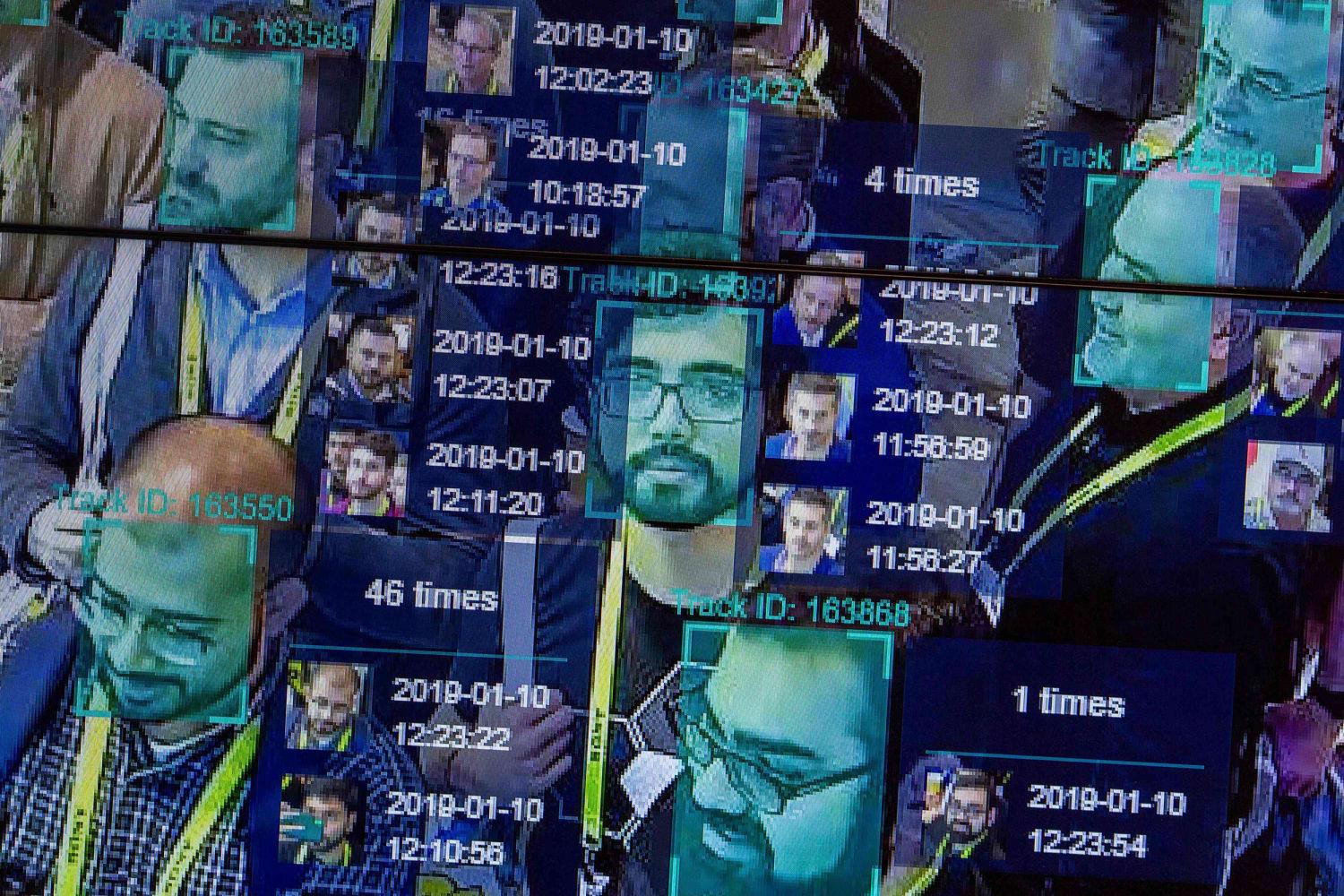
San Francisco Pioneers Nationwide Ban on Police Facial Recognition Technology
San Francisco’s Trailblazing Move Against Facial Recognition in Law Enforcement
In a historic first for the United States, San Francisco has enacted a complete prohibition on the use of facial recognition technology by its police department. This landmark legislation responds to escalating concerns about privacy infringements, civil rights violations, and the inherent biases found in many facial recognition systems. Advocates highlight that these technologies often misidentify individuals, disproportionately affecting communities of color and deepening systemic inequalities within the criminal justice framework.
The ordinance introduces several critical measures, including:
- Full prohibition of facial recognition tools by all law enforcement agencies within the city.
- Restrictions on police access to facial recognition databases.
- Mandatory annual transparency reports and audits for any surveillance technologies employed.
- Community oversight committees to monitor and ensure responsible use of technology.
| City | Policy Status | Year Implemented |
|---|---|---|
| San Francisco | Complete ban on police facial recognition | 2019 |
| Portland | Temporary moratorium | 2020 |
| Boston | Restricted use with oversight | 2021 |
Privacy Risks Propel the Ban on Surveillance Technologies
San Francisco’s ban reflects a broader public unease about the expansion of mass surveillance and the potential exploitation of biometric data by government entities. Civil rights groups warn that facial recognition technology can lead to wrongful detentions and disproportionately target marginalized populations, making its use by public agencies highly contentious. The legislation extends beyond law enforcement, forbidding all city departments from utilizing facial recognition tools, thereby prioritizing the protection of residents’ biometric privacy.
Highlights of the ban’s scope include:
- Absolute prohibition of facial recognition across all city agencies.
- Emphasis on safeguarding citizens’ biometric information from misuse.
- Setting a national example that could influence future policy decisions across the country.
| Policy Aspect | Details |
|---|---|
| Coverage | All law enforcement and municipal agencies |
| Purpose | Prevent misuse and false identifications |
| Enforcement | Effective immediately upon passage |
| Anticipated Impact | Enhanced public trust in government surveillance practices |
Bias and Inaccuracy: The Flaws of Facial Recognition Technology
Experts in artificial intelligence and civil rights have consistently highlighted the problematic nature of facial recognition systems, which frequently exhibit racial and demographic biases. Research indicates that these algorithms are prone to higher error rates when identifying individuals from minority groups, such as Black and Hispanic populations, increasing the risk of wrongful accusations. These inaccuracies often arise from unbalanced training datasets and the variable quality of images captured in real-world conditions.
- Elevated false-positive rates among minority groups
- Lack of transparency in proprietary algorithm designs
- Insufficient regulatory standards governing accuracy
- Potential to reinforce racial profiling and systemic discrimination
Below is a comparative overview of error rates across different demographic groups, illustrating the disparities:
| Demographic | False Positive Rate (%) | False Negative Rate (%) |
|---|---|---|
| White | 0.7 | 2.0 |
| Black | 6.1 | 4.7 |
| Hispanic | 3.5 | 4.1 |
| Asian | 2.3 | 3.4 |
Calls for a Federal Ban and Robust Oversight Framework
Building on San Francisco’s example, privacy advocates nationwide are urging Congress to enact comprehensive legislation banning facial recognition technology in policing. They argue that the fragmented regulatory landscape fails to adequately address the risks of misuse, discrimination, and unchecked surveillance. Community organizations stress the importance of a legal framework that enforces transparency, accountability, and respect for civil liberties, especially for vulnerable populations.
Advocacy groups propose the following key regulatory measures:
- Nationwide prohibition of facial recognition use by law enforcement agencies.
- Independent audits to detect and mitigate algorithmic biases.
- Clear policies governing data collection, storage, and consent.
- Mandatory public disclosures detailing surveillance practices and technology deployment.
| Regulatory Component | Objective |
|---|---|
| Facial Recognition Ban | Prevent misuse and protect civil rights |
| Algorithmic Transparency | Reduce racial and gender bias |
| Data Governance | Ensure ethical data handling and consent |
| Independent Oversight | Guarantee compliance and ethical standards |
Final Thoughts
San Francisco’s groundbreaking ban on facial recognition technology in policing represents a pivotal moment in the ongoing national conversation about privacy, surveillance, and civil rights. As the first major city to take such a definitive stance, it sets a powerful example for other municipalities wrestling with similar ethical and social challenges. The decision underscores the urgent necessity for clear, enforceable regulations and vigilant oversight to ensure that advancements in technology do not come at the expense of individual freedoms and equitable treatment under the law.