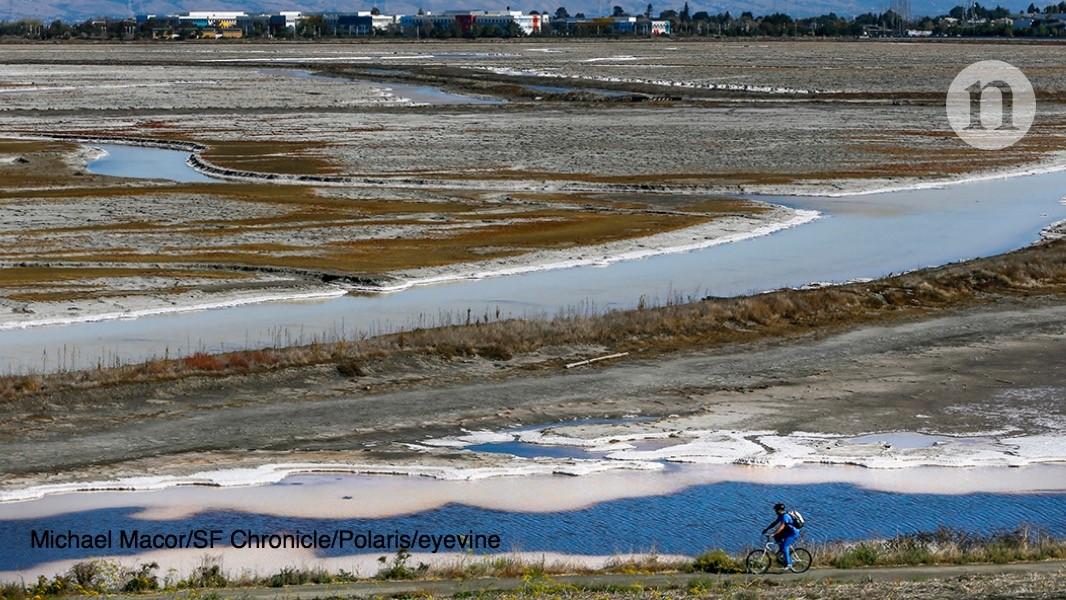
Understanding Seasonal Sediment Dynamics in San Francisco Bay Marshes
Researchers from the U.S. Geological Survey (USGS) have recently published groundbreaking insights into the seasonal fluctuations of erosion and sediment buildup within the marshlands of San Francisco Bay. This research illuminates the natural cycles that govern these sensitive wetland environments, providing essential knowledge for conservationists and policymakers aiming to bolster climate resilience. With coastal habitats increasingly imperiled by sea-level rise and anthropogenic pressures, grasping these sedimentary processes is vital to safeguarding the bay’s biodiversity and the human communities dependent on it.
How Seasonal Erosion Patterns Challenge San Francisco Bay’s Marsh Ecosystems
The USGS investigation reveals significant seasonal variations in marshland topography driven by natural environmental rhythms. During the winter months, intensified storm activity and elevated tidal ranges accelerate erosion, stripping away crucial sediment layers from marsh surfaces. In contrast, the spring and summer seasons foster sediment accumulation, which helps restore and fortify these fragile habitats. Yet, this equilibrium is under threat as urban development and climate change disrupt natural sediment cycles, jeopardizing marshlands that act as critical buffers against coastal flooding and provide habitat for diverse species.
Several factors underpin these seasonal changes:
- Wave energy peaks: Stronger wave forces in autumn and winter increase sediment displacement.
- Vegetation density: Seasonal growth of marsh plants traps sediments, aiding accretion.
- Storm frequency: More frequent storms intensify erosion risks.
- Tidal fluctuations: High tides influence both sediment erosion and deposition cycles.
| Season | Average Sediment Change | Dominant Environmental Driver |
|---|---|---|
| Winter | −1.5 cm | Storm surge intensity |
| Spring | +1.2 cm | Vegetation expansion |
| Summer | +0.8 cm | Reduced wave action |
| Fall | −0.7 cm | Increasing tidal ranges |
Natural Sediment Accumulation: A Key to Marsh Resilience
San Francisco Bay’s marshes demonstrate a remarkable capacity to adapt to environmental shifts through ongoing sediment accretion. Seasonal tidal movements transport sediment that gradually layers the marsh surface, helping these ecosystems maintain elevation relative to rising sea levels. This vertical growth is supported by a steady influx of both organic and inorganic materials during high tides, which strengthens the marsh’s ability to withstand flooding and erosion over time.
Critical contributors to this resilience include:
- Seasonal sediment influx: Increased river discharge during wetter months delivers more sediment to marshes.
- Root system development: Plant roots stabilize soil and capture suspended particles.
- Organic matter buildup: Decomposing vegetation enriches soil structure and thickness.
| Parameter | Winter Accretion (mm) | Summer Accretion (mm) |
|---|---|---|
| Sediment Deposition | 6.2 | 3.8 |
| Organic Matter Increase | 2.1 | 1.4 |
| Total Accretion | 8.3 | 5.2 |
Climate Variability’s Influence on Marsh Sediment Dynamics
The USGS study underscores the profound impact of climate variability on the interplay between erosion and sediment deposition in San Francisco Bay marshes. Seasonal changes in precipitation and temperature significantly affect marsh morphology. For instance, wetter periods boost freshwater flow, enhancing sediment delivery and promoting marsh growth, which helps counteract sea-level rise. Conversely, drought conditions increase erosion rates, destabilizing soils and threatening vital habitats.
Key environmental drivers identified include:
- Variability in rainfall: Alters sediment transport and vegetation vigor.
- Sea-level changes: Modify tidal inundation patterns affecting sediment dynamics.
- Wind-generated waves: Intensify shoreline erosion during storm events.
| Season | Mean Sediment Accretion (mm) | Mean Erosion Rate (mm) | Vegetation Cover (%) |
|---|---|---|---|
| Winter | 15 | 5 | 60 |
| Spring | 12 | 7 | 65 |
| Summer | 5 | 12 | 50 |
| Fall | 8 | 9 | 55 |
Strategies for Protecting and Managing San Francisco Bay Marshes
To preserve the dynamic and vital marsh ecosystems of San Francisco Bay, adaptive management approaches are essential. Enhancing sediment availability through watershed restoration and reducing the impact of upstream dams can significantly improve marsh sustainability. Restoration of native marsh grasses is particularly effective in stabilizing soils and reducing erosion during periods of high tides and storm surges. Additionally, empowering local communities with access to real-time environmental monitoring tools encourages proactive stewardship and rapid response to changes in marsh conditions.
Combining ecological restoration with engineered solutions can further strengthen marsh resilience. Recommended actions include:
- Living shorelines: Employ natural materials and indigenous plants to dissipate wave energy.
- Managed realignment: Allow controlled flooding in select areas to facilitate natural sediment deposition.
- Continuous monitoring: Use tide gauges and sediment traps to guide adaptive management decisions.
| Intervention | Anticipated Outcome | Projected Timeline |
|---|---|---|
| Sediment Enhancement | Raises marsh elevation | 1-3 years |
| Native Plant Reintroduction | Improves soil cohesion | 6-12 months |
| Real-Time Environmental Tracking | Supports informed management | Ongoing |
Looking Ahead: Sustaining San Francisco Bay’s Marshlands
In conclusion, the USGS’s comprehensive study on the seasonal erosion and sediment accretion cycles in San Francisco Bay marshes highlights the complex and dynamic nature of these coastal ecosystems. A thorough understanding of sediment movement patterns and their environmental drivers is indispensable for effective marshland management amid accelerating sea-level rise and human pressures. Continued research and monitoring will be pivotal in guiding conservation efforts to maintain the ecological integrity and resilience of the bay’s marshes for future generations.