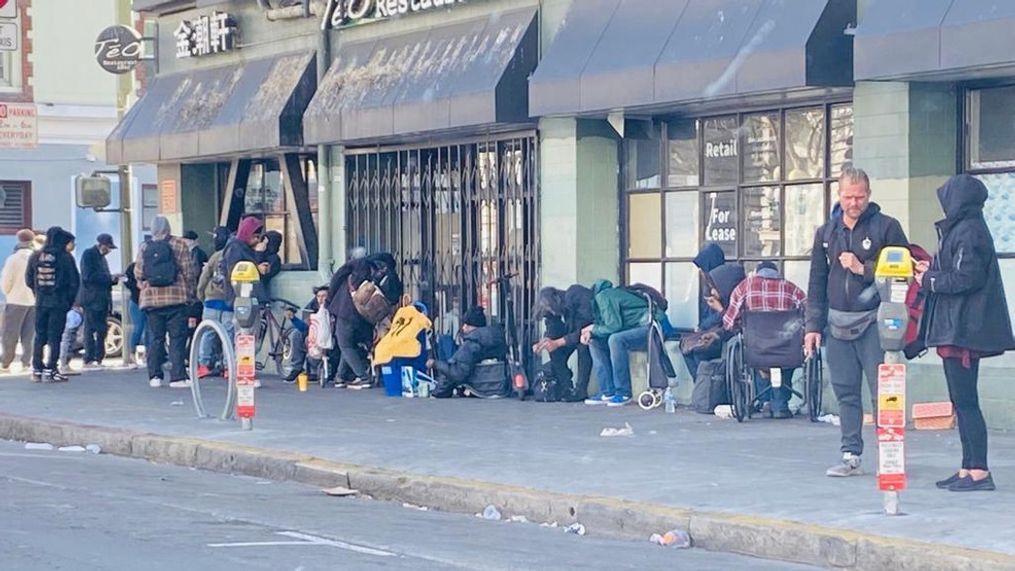
San Francisco Expands International Drug Enforcement Initiatives
In a landmark move to curb drug trafficking, San Francisco law enforcement has partnered closely with authorities in Honduras to extradite three individuals suspected of orchestrating a large-scale narcotics operation impacting the Bay Area. This collaboration represents a strategic evolution in tackling drug-related crime by integrating global intelligence sharing and coordinated enforcement actions. The suspects were apprehended through a series of discreet operations overseas and are now facing prosecution in San Francisco, signaling a robust commitment to dismantling transnational drug networks.
This initiative exemplifies the city’s dedication to combating drug trafficking through multinational cooperation and enhanced intelligence exchange. Core elements of this approach include:
- Joint task forces combining San Francisco Police Department (SFPD) and Honduran law enforcement resources
- Real-time sharing of surveillance data and financial transaction monitoring
- Specialized cross-border training programs to equip officers with international investigative skills
| Agency | Primary Function | Contribution |
|---|---|---|
| SFPD | Local enforcement and case prosecution | Boosted arrest and conviction rates |
| Honduran National Police | International suspect apprehension | Extended operational jurisdiction |
| DEA | Coordination of intelligence and resources | Strengthened global partnerships |
Unveiling the Honduras-Based Drug Trafficking Syndicate
Investigations have exposed a complex drug trafficking ring rooted in Honduras, which has been instrumental in escalating the flow of narcotics into the San Francisco Bay Area. The three extradited suspects are alleged to have masterminded the shipment of substantial quantities of cocaine and methamphetamine into the United States. The network exploited well-established smuggling corridors, utilizing coastal ports and hidden airstrips to avoid law enforcement detection. The success of this operation hinged on the seamless cooperation between Honduran officials and U.S. agencies.
The trafficking operation’s logistics encompassed:
- Coordinated international shipments concealed within commercial shipping containers.
- Use of encrypted communication channels to orchestrate drug deliveries.
- Deployment of local distribution cells to manage street-level sales in California.
Key individuals and their alleged roles within the organization include:
| Name | Role | Operational Base |
|---|---|---|
| Ricardo Alvarez | Logistics Coordinator | Tegucigalpa, Honduras |
| Marcos Diaz | Communications Manager | San Pedro Sula, Honduras |
| Elena Ramirez | Local Distribution Leader | San Francisco, CA |
Effects of the Arrests on San Francisco’s Drug Market and Community Wellbeing
Law enforcement officials report that the apprehension of these key figures has substantially disrupted the supply chains feeding the local drug market. These individuals were pivotal in linking international suppliers with street-level dealers, and their removal has led to a marked reduction in the availability of illicit substances, especially in neighborhoods previously plagued by high drug activity. Authorities emphasize that these arrests not only interrupt trafficking operations but also serve as a deterrent to other criminal elements considering San Francisco as a distribution hub.
- Approximately 30% drop in reported drug transactions within targeted districts
- Increased community engagement with residents more actively reporting suspicious behavior
- Decline in violent incidents commonly associated with territorial disputes
| Indicator | Pre-Arrest | Post-Arrest |
|---|---|---|
| Drug-related complaints | 120 per month | 85 per month |
| Violent incidents | 45 per month | 28 per month |
| Active community patrol groups | 12 | 20 |
Community advocates and local leaders have noted an enhanced sense of safety following these law enforcement actions. However, they stress the importance of sustained, multifaceted strategies that combine policing with social programs. Efforts focusing on prevention, rehabilitation, and economic development are critical to maintaining progress and preventing the resurgence of trafficking networks.
Strategies to Enhance International Law Enforcement Collaboration
To maximize the impact of cross-border drug enforcement, agencies must prioritize establishing continuous communication channels and fostering trust with international partners. This includes not only sharing intelligence in real time but also conducting joint training exercises to familiarize officers with differing legal systems and operational procedures. Investing in cutting-edge technology platforms that facilitate efficient data exchange can help overcome bureaucratic hurdles that delay critical interventions.
Moreover, creating multidisciplinary task forces that integrate law enforcement, legal experts, and diplomatic officials can streamline extradition processes and ensure swift justice. Recommended approaches include:
- Standardizing protocols for evidence collection and transfer to support cross-border prosecutions.
- Strengthening mutual legal assistance treaties (MLATs) by simplifying documentation and accelerating response times.
- Implementing cultural and language training to improve communication during investigations and interrogations.
Conclusion: Key Insights on San Francisco’s Drug Enforcement Progress
The extradition of three suspected drug traffickers from Honduras marks a pivotal advancement in San Francisco’s intensified campaign against narcotics distribution. This case highlights the growing complexity of combating drug trafficking across international borders and the necessity of robust, cooperative law enforcement frameworks. As the legal proceedings unfold, both officials and the community remain vigilant, hopeful that these efforts will significantly reduce the flow of illegal drugs and enhance public safety throughout the city.