Filipino Diaspora Protests in San Francisco Demand Reform and Justice Under Marcos Jr. Administration
Filipino-Americans Rally for Justice and Transparency at Philippine Consulate
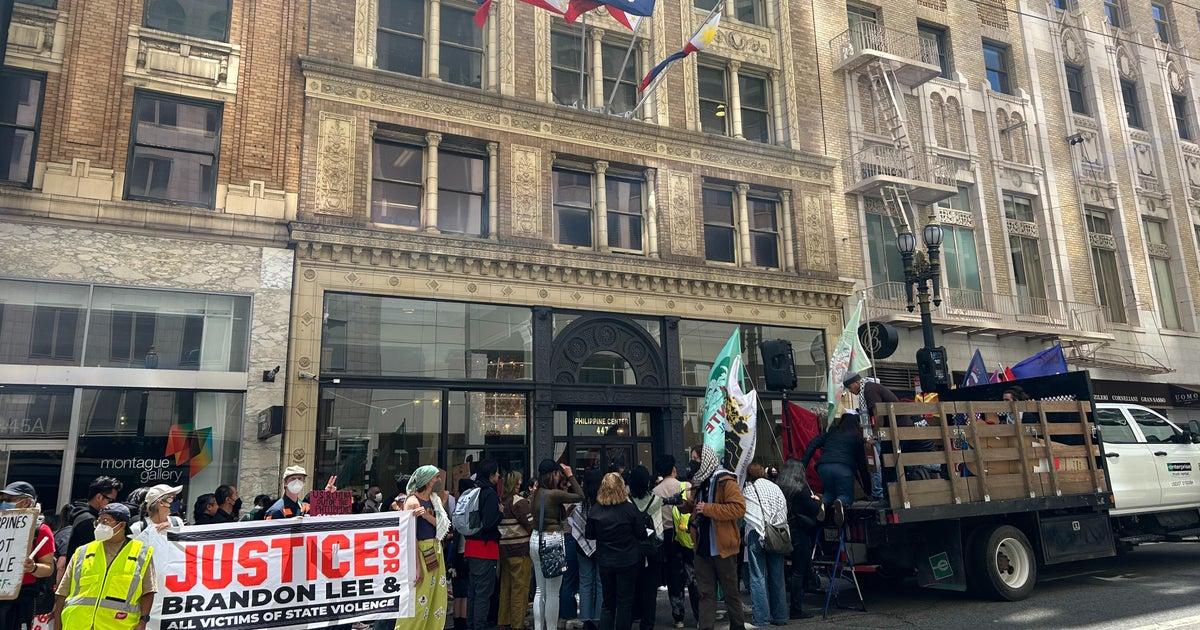
Last week, a significant number of Filipino-Americans assembled outside the Philippine consulate in San Francisco to express their strong opposition to President Ferdinand Marcos Jr.’s governance. The protest, extensively reported by CBS News, brought to light the growing unease within overseas Filipino communities about the political direction and human rights situation in the Philippines. This demonstration exemplifies the diaspora’s active participation in advocating for democratic values and human rights in their homeland.
Human Rights Violations Spark Calls for Government Accountability
With placards raised high and voices united, hundreds of protesters demanded urgent action to address alarming human rights abuses. Central to their grievances were reports of extrajudicial killings, censorship, and intimidation of journalists and activists under the current administration. The crowd called for transparent investigations and stronger protections for vulnerable groups, emphasizing the need for international scrutiny to ensure justice and safeguard civil liberties.
Protesters’ primary demands included:
- Thorough, independent probes into alleged human rights violations
- Enhanced security and legal protections for media personnel and activists
- Robust enforcement of laws defending freedom of expression and assembly
- Clear accountability measures for government officials implicated in abuses
| Human Rights Issue | Reported Incidents | Official Government Stance |
|---|---|---|
| Extrajudicial Killings | Over 160 cases reported in 2023 | Ongoing investigations with limited transparency |
| Journalist Harassment | 60+ documented cases | Government denies systemic targeting |
| Crackdown on Protests | 120+ incidents of forceful dispersal | Increased deployment of security forces |
Filipino-American Community Advocates for Political Reform and Greater Civic Engagement
The protest also served as a platform for Filipino-Americans to voice their aspirations for political reform in the Philippines. Speakers highlighted the necessity of transparent governance, anti-corruption initiatives, and the protection of democratic institutions. The community stressed the importance of sustained political participation, including expanding voting rights for overseas Filipinos, to influence positive change back home.
Key reform priorities emphasized by the diaspora included:
- Electoral Integrity: Guaranteeing free, fair, and transparent elections
- Human Rights Safeguards: Combating abuses and upholding civil liberties
- Economic Justice: Addressing poverty and promoting equitable development
- Empowering Overseas Voters: Simplifying voting processes for Filipinos abroad
| Issue | Community Action |
|---|---|
| Governance | Demand transparency and accountability from officials |
| Corruption | Advocate for stronger anti-corruption frameworks |
| Human Rights | Protect freedoms and ensure justice for victims |
| Overseas Voting | Expand and facilitate electoral participation for expatriates |
Diplomatic Strains Between Manila and Washington Amidst Political Unrest
The protests also highlight the growing diplomatic friction between the Philippines and the United States. Critics argue that shifts in Manila’s foreign policy under Marcos Jr. have raised concerns about national sovereignty, human rights, and military cooperation. The Philippines finds itself navigating a complex geopolitical environment, balancing its longstanding alliance with the U.S. against increasing economic and political ties with China.
Major factors contributing to diplomatic tensions include:
- Defense Partnerships: Debates over joint military exercises and the Enhanced Defense Cooperation Agreement (EDCA)
- Trade Relations: The Philippines’ efforts to diversify trade partners amid U.S.-China rivalry
- Human Rights Issues: International scrutiny of domestic policies affecting civil liberties
| Aspect | U.S. Perspective | Philippine Government View |
|---|---|---|
| Military Presence | Supports joint bases and exercises | Expresses concerns over sovereignty and autonomy |
| Trade and Investment | Encourages free trade and investment | Seeks diversified economic partnerships beyond the U.S. |
| Human Rights | Calls for reforms and adherence to international norms | Prioritizes internal sovereignty and non-interference |
Pathways to Dialogue and Policy Advancement
To bridge the divide between the Filipino diaspora and the government, establishing consistent and transparent communication channels is essential. Philippine consulates worldwide can facilitate this by hosting regular forums and virtual town halls, enabling overseas Filipinos to engage directly with policymakers and voice their concerns.
Additional recommendations for fostering constructive change include:
- Inclusive Policy Development: Engage youth, activists, and civil society in decision-making processes
- Commitment to Human Rights: Align domestic policies with international human rights standards
- Cultural Awareness: Acknowledge the diverse experiences of Filipinos globally
- Ongoing Evaluation: Conduct regular assessments to measure policy impact and adapt accordingly
| Focus Area | Recommended Actions |
|---|---|
| Dialogue Platforms | Organize monthly virtual town halls with consulate officials |
| Transparency | Publish quarterly updates on government responses to diaspora issues |
| Human Rights Oversight | Establish independent committees to monitor rights violations |
| Community Representation | Create advisory boards reflecting diverse Filipino voices worldwide |
Conclusion: Sustained Advocacy Amidst Ongoing Challenges
The persistent protests outside the Philippine consulate in San Francisco underscore the enduring concerns of Filipino communities abroad regarding governance and human rights under President Marcos Jr. These demonstrations not only call for justice and accountability but also highlight the vital role of the diaspora in influencing political discourse and reform in the Philippines. As the situation evolves, continued coverage and engagement remain crucial to fostering meaningful change.