Nationwide “No Kings” Protests Amplify Opposition to Trump Administration
Widespread Demonstrations Erupt in Key US Cities Challenging Authoritarian Policies
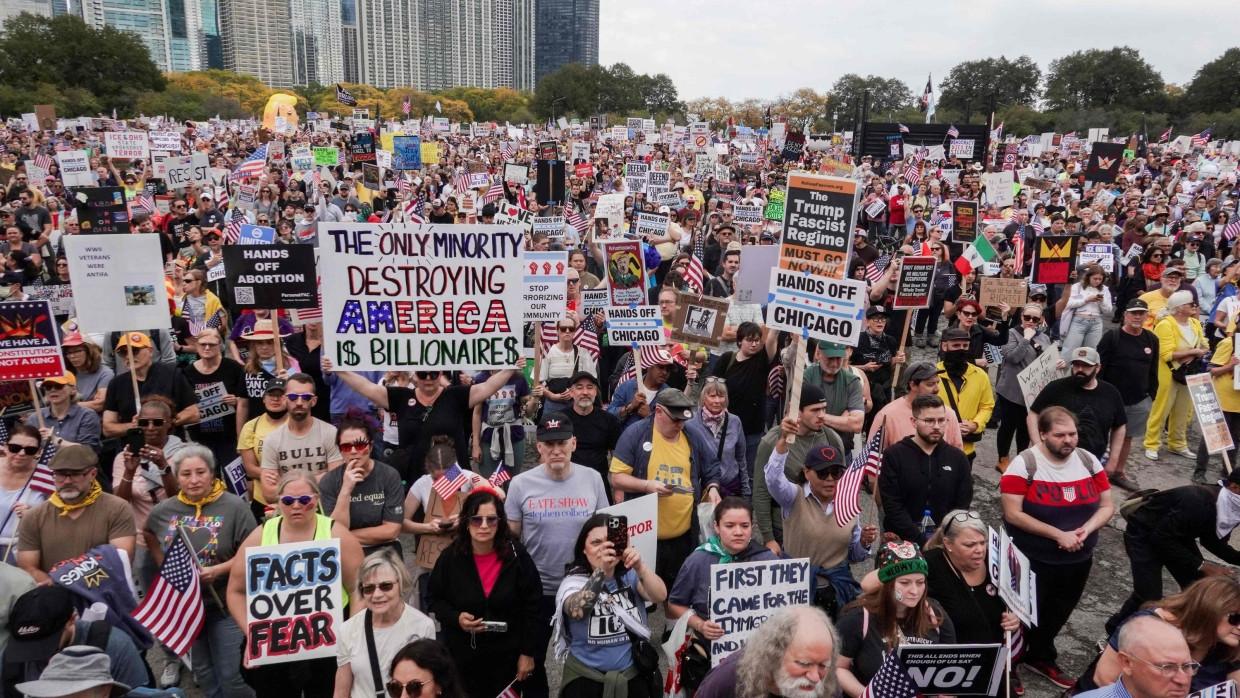
Across numerous metropolitan areas in the United States, the “No Kings” movement has reignited, signaling a robust wave of public dissent against the Trump administration’s governance. Cities such as New York, Los Angeles, Chicago, and Washington D.C. became epicenters for thousands of demonstrators demanding greater governmental accountability and transparency. Protesters, adorned in striking apparel and brandishing signs denouncing perceived autocratic behavior, voiced a collective plea to protect democratic freedoms and restrain executive overreach.
The protests showcased a rich tapestry of activism, including:
- Peaceful marches featuring chants, artistic street performances, and live music.
- Community-led educational forums aimed at raising awareness about the consequences of controversial policies.
- Viral social media initiatives that extended the movement’s influence beyond physical gatherings.
Despite the large turnout, law enforcement reported minimal disturbances, reflecting the demonstrators’ commitment to non-violence. Meanwhile, city officials increased security presence to ensure public safety. This resurgence of the “No Kings” campaign highlights an enduring and organized resistance shaping the national political conversation.
Understanding the Diverse Motivations and Participants Behind the Movement
The revival of the “No Kings” protests brings together a broad coalition of individuals united by concerns over governance, justice, and democratic integrity. From veteran activists to newcomers, participants are driven by a range of issues including economic instability, social equity, environmental protection, and demands for transparent leadership. Youth-led factions emphasize the urgency of climate action and civil rights, while older generations draw parallels to historical struggles for democracy. Central to the movement is a shared skepticism of concentrated power and a commitment to uphold accountability and fairness.
- Economic insecurity: Workers anxious about job stability criticize policies perceived to favor corporate elites.
- Social justice advocacy: Campaigners spotlight systemic inequalities intensified under current leadership.
- Environmental activism: Protesters resist deregulation efforts that threaten climate progress.
- Democratic safeguards: Citizens call for transparency and checks on executive authority.
These varied concerns are expressed through multiple forms of activism, from peaceful street demonstrations to expansive digital outreach. Analyzing these dynamics offers insight into the evolving political landscape, revealing a complex dialogue between the populace and government. The movement embodies a growing resolve nationwide to influence policy and public discourse, united by the conviction that no individual should hold unchecked power.
| Group | Main Focus | Common Activities |
|---|---|---|
| Youth Activists | Climate justice | Marches, online campaigns |
| Labor Organizations | Economic fairness | Rallies, petition drives |
| Civic Groups | Democratic reform | Town halls, voter education |
Social Media’s Crucial Role in Organizing and Chronicling the Protests
Digital platforms have been instrumental in sparking and sustaining the nationwide “No Kings” protests. Activists leveraged the immediacy and broad reach of Twitter, Instagram, and Facebook to coordinate events swiftly, utilizing hashtags such as #NoKings2024 and #ResistTrump to unify supporters across the country. This online mobilization transformed localized grievances into a cohesive national movement within hours. Secure communication channels, including encrypted messaging apps and private groups, facilitated strategic planning among organizers.
Beyond coordination, social media served as a vital tool for real-time documentation. Citizen journalists and participants uploaded thousands of images and videos, capturing peaceful demonstrations and interactions with law enforcement alike. This extensive multimedia archive enhanced public awareness and held mainstream media accountable. Key impacts include:
- Rapid information sharing: Immediate updates from protest sites.
- Broad engagement: Diverse audiences participating in global conversations.
- Visual transparency: Authentic content supporting calls for justice.
| Platform | Primary Function | Engagement Statistics |
|---|---|---|
| Hashtag activism and live updates | Over 1.2 million tweets in 48 hours | |
| Photo and video sharing | 600,000 posts tagged #NoKings2024 | |
| Event coordination and group discussions | 350,000 active group members |
Approaches for Authorities and Communities to Constructively Engage with Protesters
Addressing protest movements effectively demands a comprehensive strategy grounded in respect, open dialogue, and collaboration. Law enforcement agencies are advised to focus on de-escalation techniques and maintain transparent communication with protest leaders to build trust. Prioritizing mutual respect and understanding helps prevent conflict and ensures the safety of all parties involved. Furthermore, partnering with community leaders and advocacy organizations can foster inclusive discussions and address the root causes driving the protests.
Empowering communities is essential for fostering positive outcomes. Initiatives such as public forums, educational workshops, and dialogue platforms provide spaces for citizens to express concerns and exchange ideas constructively. The table below outlines recommended actions for key stakeholders to enhance cooperation during protest events:
| Stakeholder | Suggested Action | Expected Result |
|---|---|---|
| Law Enforcement | Adopt de-escalation training and maintain open dialogue | Lowered tensions and increased public confidence |
| Community Leaders | Organize dialogue sessions and mediate discussions | Enhanced community solidarity and mutual understanding |
| Protest Organizers | Engage constructively with authorities and the public | Clear communication of demands and peaceful protests |
Final Thoughts
The ongoing “No Kings” protests across the United States underscore a rising tide of civic activism and political dissent directed at the Trump administration’s policies. These demonstrations reflect a deeply divided political environment and a populace increasingly engaged in shaping the nation’s future. As this movement evolves, continued coverage and analysis will be essential to understanding its impact on American democracy.