National Guard Mobilization and Immigration Raids: A Nationwide Overview
Expanded National Guard Presence in Strategic States Amid Heightened Security Challenges
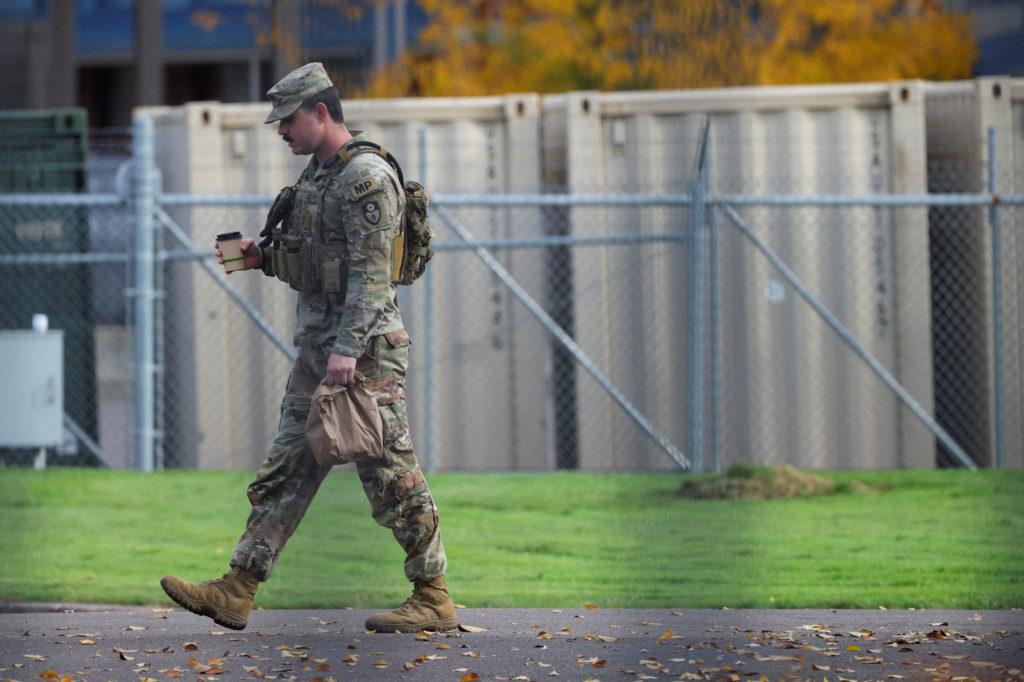
In response to escalating security concerns, several states across the U.S. have witnessed a marked increase in National Guard deployments. This strategic move addresses a combination of intensified border activity, civil disturbances, and threats to vital infrastructure. Officials stress that the Guard’s involvement is designed to bolster local law enforcement efforts, maintaining public safety while respecting constitutional rights.
States Experiencing Heightened National Guard Activity Include:
- Texas: Strengthened border security operations along the southern frontier.
- California: Augmented support for urban patrols and rapid response teams.
- Arizona: Focused deployment to reinforce key inspection points.
- Florida: Preparedness measures for potential immigration-related disturbances.
| State | Number of National Guard Personnel | Primary Mission |
|---|---|---|
| Texas | 1,200 | Border security reinforcement |
| California | 900 | Urban patrol and emergency support |
| Arizona | 700 | Checkpoint security |
| Florida | 500 | Crowd control and public order |
Comprehensive Insights into the Recent Immigration Enforcement Operations
Federal agencies have revealed detailed information about the extensive immigration raids conducted recently, spanning states such as California, Texas, and Illinois. These operations primarily targeted industries known for employing undocumented workers, including farming, construction, and hospitality sectors. The objective was to disrupt illegal employment networks and enforce immigration compliance rigorously.
The raids were executed through a coordinated effort involving immigration officials, local law enforcement, and National Guard units, highlighting the administration’s intensified focus on both border and interior security. Below is a summary of the targeted sectors and the scale of the operations:
| State | Sector Targeted | Number of Locations Raided | Approximate Individuals Impacted |
|---|---|---|---|
| California | Farming | 12 | 350+ |
| Texas | Construction | 8 | 210+ |
| Illinois | Hospitality | 5 | 150+ |
- Role of National Guard: Provided critical logistical and enforcement support.
- Interagency Collaboration: Included ICE, local police departments, and labor authorities.
- Legal Framework: Operations conducted under strict judicial oversight with search warrants and detentions.
Assessing the Socioeconomic and Community Impact of Immigration Enforcement
Experts in law and social sciences highlight that immigration raids and National Guard involvement extend their effects well beyond immediate detentions. Communities experience increased anxiety, fractured social bonds, and diminished trust in law enforcement, which can lead to reduced civic participation and economic downturns. Businesses, especially those dependent on immigrant labor, report significant operational challenges due to sudden workforce reductions.
Notable Consequences Include:
- Psychological distress and social stigma among affected families.
- Financial instability for small enterprises reliant on immigrant employees.
- Greater demand for social assistance programs following income loss.
- Weakened relationships between communities and policing agencies.
| Industry | Immediate Effects | Long-Term Ramifications |
|---|---|---|
| Farming | Worker shortages, delayed crop harvesting | Lower yields, increased production costs |
| Construction | Project postponements, labor deficits | Rising labor expenses, slowed industry growth |
| Hospitality | Staff shortages | Decline in service standards, revenue losses |
Strategic Recommendations for Policymakers: Enhancing Coordination and Upholding Human Rights
To optimize the effectiveness of National Guard deployments and immigration enforcement, policymakers must prioritize seamless collaboration among federal, state, and local entities. Establishing centralized command hubs and utilizing advanced data-sharing technologies can minimize operational redundancies and jurisdictional disputes. Strengthening communication channels is essential to improve efficiency and reduce tensions during enforcement activities.
Equally important is the unwavering commitment to human rights. Enforcement protocols should guarantee humane treatment of migrants, including prompt access to legal representation and healthcare services. Key policy initiatives should include:
- Comprehensive human rights training for all enforcement personnel.
- Creation of independent oversight bodies to monitor conduct and swiftly address grievances.
- Regular community engagement forums to build transparency and trust.
| Policy Focus | Recommended Measures | Anticipated Benefits |
|---|---|---|
| Interagency Coordination | Form multi-agency task forces | Improved operational cohesion |
| Human Rights Protection | Implement strict accountability frameworks | Reduction in rights violations |
| Community Relations | Conduct ongoing public consultations | Strengthened community trust |
Conclusion
As the situation surrounding the National Guard’s involvement and immigration enforcement continues to evolve following the October 23, 2025 operations, ongoing coverage and expert analysis will be essential. Stay informed as federal and local agencies adapt their strategies to address this complex and critical issue.