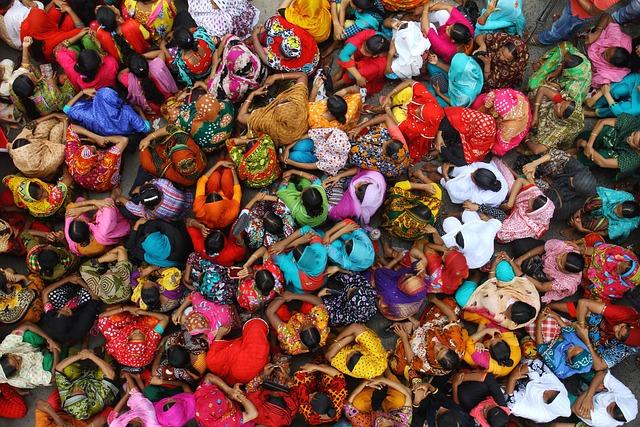
Amid escalating tensions between the United States and Venezuela, Bay Area political leaders and activists have publicly condemned recent threats of military action against the South American nation, labeling such moves as unconstitutional and a dangerous escalation. Protests erupted across San Francisco and neighboring communities, reflecting widespread concern over the Trump administration’s aggressive rhetoric. This groundswell of opposition highlights the deep divisions surrounding U.S. foreign policy and raises urgent questions about the legality and potential consequences of intervening in Venezuela’s ongoing crisis.
No War on Venezuela Bay Area Leaders Denounce Trump Administration’s Aggressive Policies
Bay Area leaders and activists have united in vocal opposition to what they describe as the Trump administration’s increasingly aggressive stance toward Venezuela. Drawing on concerns over constitutional overreach, they argue that the administration’s policies not only threaten regional stability but also undermine international diplomatic norms. Prominent political figures, community organizers, and human rights advocates convened at public rallies, emphasizing the need for peaceful dialogue instead of military intervention.
During the demonstrations, speakers highlighted several key points of contention:
- Violation of Sovereignty: Condemning actions perceived as interference in Venezuela’s internal affairs.
- Unconstitutional Measures: Challenging the legal grounds of imposing sanctions and potential military threats without Congressional approval.
- Humanitarian Concerns: Warning against policies that could exacerbate the ongoing humanitarian crisis in Venezuela.
| Aspect | Concerns | Calls to Action |
|---|---|---|
| Diplomatic | Increased tensions and isolation | Return to multilateral talks |
| Legal | Executive overreach | Respect constitutional limits |
| Humanitarian | Worsening crisis impacts | Lift sanctions affecting civilians |
Constitutionality Under Fire Legal Experts and Activists Challenge Legality of US Actions Against Venezuela
Legal experts and activists are ramping up their critiques of the Trump administration’s policies toward Venezuela, arguing that these measures infringe upon constitutional principles by bypassing Congressional approval and violating international law. Prominent voices in the Bay Area have emphasized the lack of a formal declaration of war and the unilateral imposition of economic sanctions as key factors undermining the legitimacy of the U.S. government’s actions. These critics contend such strategies not only ignore diplomatic channels but also dangerously escalate tensions, pushing the region closer to conflict without sufficient legal or moral grounding.
In concert with protests across San Francisco and neighboring cities, activists have presented a series of demands aimed at reversing the current trajectory, including:
- Immediate cessation of all sanctions that harm Venezuelan civilians
- Strict adherence to constitutional mandates governing acts of war
- Renewed commitment to dialogue and peaceful resolution within international frameworks
These efforts spotlight a growing movement that insists on accountability and constitutional process in foreign policy decisions, warning against executive overreach that could set perilous precedents for future engagements.
| Aspect | Criticisms | Calls for Action |
|---|---|---|
| Legality | Bypassing Congress | Uphold Congressional oversight |
| Humanitarian Impact | Sanctions harming civilians | Lift economic barriers |
| International Relations | Violations of diplomatic protocol | Return to negotiations |
Community Protests Mobilize Voices Against Military Intervention Calls for Peaceful Diplomacy and Dialogue
Community leaders and activists in the Bay Area have united in strong opposition to the recent military intervention proposals targeting Venezuela. During a series of organized protests, demonstrators voiced their concerns about the legality and morality of such actions, emphasizing that any aggressive moves would violate constitutional principles and international law. Speakers at the events underscored the critical need for peaceful approaches, urging the federal government to prioritize diplomatic channels over military force.
Protesters called for a comprehensive dialogue involving all parties affected, reflecting the community’s desire for sustainable solutions rather than escalated conflict. Their demands included:
- Respect for national sovereignty of Venezuela and Latin American nations
- Engagement in multilateral diplomacy through the United Nations and regional bodies
- Increased humanitarian aid to address ongoing social and economic crises
- Transparent government accountability concerning foreign policy decisions
| Community Role | Key Message |
|---|---|
| Grassroots Activists | Peaceful resistance and mobilization |
| Local Officials | Legal challenges to intervention calls |
| Human Rights Groups | Highlighting humanitarian consequences |
| Faith Leaders | Promoting reconciliation and dialogue |
Policy Recommendations Emphasize Engagement Sanctions Relief and Multilateral Solutions to Venezuelan Crisis
Policy experts and local leaders are urging a shift from punitive approaches toward comprehensive engagement strategies with Venezuela. Emphasizing diplomatic channels, they advocate for calibrated relief from sanctions that currently exacerbate humanitarian conditions while encouraging the Maduro government to participate in meaningful dialogue. This approach seeks to balance pressure with incentives, addressing both political reforms and urgent socio-economic needs through pragmatic measures aimed at stabilizing the region.
Multilateral cooperation is highlighted as a critical component for any lasting solution. Stakeholders call for strengthened partnerships among regional bodies, international organizations, and neighboring countries to coordinate efforts effectively. Key recommendations include:
- Gradual easing of sanctions linked to verifiable political progress
- Humanitarian aid corridors facilitated by UN agencies
- Joint monitoring mechanisms to ensure transparency and accountability
- Inclusive talks involving all Venezuelan political factions and civil society
| Policy Element | Objective | Expected Outcome |
|---|---|---|
| Sanctions Relief | Reduce humanitarian impact | Improved access to essentials |
| Engagement | Encourage dialogue | Political stability |
| Multilateral Coordination | Unified regional response | Increased negotiation leverage |
Insights and Conclusions
As voices from the Bay Area continue to denounce any military action against Venezuela, the broader debate underscores deep divisions over U.S. foreign policy and constitutional authority. With protests drawing attention to the potential consequences of intervention, local leaders and activists remain steadfast in their call to uphold legal and diplomatic solutions. The evolving discourse around Venezuela serves as a reminder of the delicate balance between national security interests and adherence to constitutional governance.