San Francisco’s Urban Crossroads: Navigating Vacancy, Transit Decline, and Pathways to Renewal
Empty Towers and Economic Shifts: A Call for a Fresh Urban Strategy
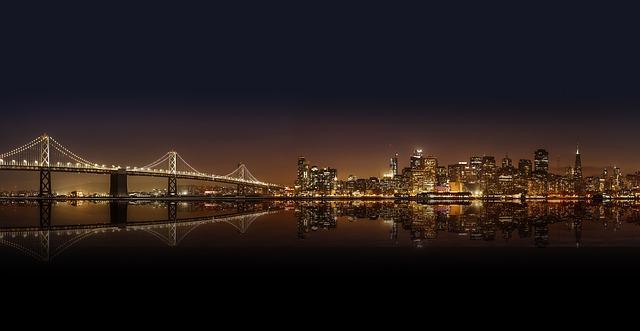
San Francisco’s skyline, once a symbol of relentless growth and innovation, now reveals a troubling reality: a significant portion of its high-rise office buildings remain unoccupied. With commercial vacancy rates soaring to approximately 35% in 2024, this phenomenon reflects deeper economic transformations, including the widespread adoption of remote work and the relocation of major corporations. The decline in demand for traditional office space has left many buildings dormant, contributing to urban decay and signaling a pressing need for a comprehensive economic overhaul.
Simultaneously, public transit ridership has plummeted, with some lines experiencing drops exceeding 40%, underscoring a weakening urban core. This downturn is not merely a temporary effect of the pandemic but a symptom of broader structural challenges. Experts emphasize that reversing this trend requires innovative, inclusive approaches that address both economic and social dimensions.
Key strategies proposed by urban economists and planners include:
- Transforming vacant commercial properties into affordable housing units and community-oriented spaces to combat homelessness and revitalize neighborhoods.
- Empowering local entrepreneurs and small businesses to stimulate economic diversity and resilience.
- Investing in sustainable infrastructure to attract emerging green industries and create environmentally conscious employment opportunities.
| Sector | 2024 Vacancy Rate | Growth Opportunities |
|---|---|---|
| Office Space | 35% | Adaptive reuse, hybrid work models |
| Residential Units | 10% | Expansion of affordable housing |
| Public Transit | Underutilized | System upgrades, route efficiency |
Public Transportation’s Decline: Reflecting Broader Infrastructure Challenges
Once a hallmark of efficient urban mobility, San Francisco’s public transit system now struggles with dwindling passenger numbers and aging infrastructure. Ridership on key transit lines has decreased by over 40%, a trend driven not only by pandemic-related shifts but also by persistent issues such as safety concerns, deferred maintenance, and outdated facilities. These challenges disproportionately impact lower-income communities that depend heavily on public transportation for daily travel.
The decline in transit use creates a feedback loop: reduced fare revenue limits funding for necessary repairs and modernization, further degrading service quality. Addressing these systemic problems requires tackling interconnected infrastructure weaknesses, including:
- Fragile electrical grids causing frequent power outages and service interruptions.
- Worn roadways that delay bus schedules and increase accident risks.
- Insufficient pedestrian pathways that hinder access to transit stops.
- Lack of technological upgrades preventing real-time service information and efficient operations.
| Issue | Effect on Transit | Proposed Solution |
|---|---|---|
| Electrical Grid Instability | Train delays, signal malfunctions | Infrastructure modernization, backup power systems |
| Road Surface Degradation | Bus delays, increased accidents | Road resurfacing, dedicated bus lanes |
| Pedestrian Infrastructure Deficits | Limited station access | Sidewalk construction, enhanced lighting |
Grassroots Movements: Catalysts for Equitable Urban Renewal
In the face of widespread vacancies and transit challenges, community-driven initiatives are emerging as vital forces for change. Local organizations and neighborhood coalitions are actively reclaiming underutilized spaces, fostering civic participation, and advocating for policies that emphasize affordability and inclusivity. These efforts leverage local insights and creativity to convert neglected areas into dynamic, multi-use environments that serve diverse populations.
Prominent approaches include:
- Converting commercial buildings into mixed-use developments featuring affordable housing, co-working hubs, and cultural centers.
- Inclusive urban planning processes that engage residents, municipal authorities, and private entities to ensure balanced growth.
- Promoting sustainable transit options that enhance ridership while minimizing environmental footprints.
| Project | Focus | Community Benefit |
|---|---|---|
| Neighborhood Greenways Initiative | Public Realm | Creates safe, walkable streets |
| Digital Equity Center | Technology Access | Offers free digital literacy programs |
| Affordable Housing Coalition | Housing Security | Protects vulnerable renters |
Strategic Policy Directions for Sustainable Urban Resilience
For San Francisco to achieve a durable recovery, policymakers must emphasize the adaptive reuse of existing infrastructure rather than prioritizing new construction. This approach aligns with long-term sustainability goals and urban resilience. Repurposing vacant skyscrapers into mixed-use developments that blend affordable housing, office spaces, and community facilities can revitalize neighborhoods while curbing urban sprawl.
Upgrading public transit is equally critical, focusing on accessibility, efficiency, and affordability to encourage increased ridership without inflating operational costs. Integrating green infrastructure-such as urban parks, advanced stormwater systems, and renewable energy installations-can enhance environmental quality and bolster climate resilience.
Recommended policy actions include:
- Offering incentives for retrofitting commercial buildings to meet cutting-edge sustainability and energy efficiency standards.
- Expanding transit-oriented development projects to reduce car dependency and lower greenhouse gas emissions.
- Fostering robust public-private partnerships to finance and maintain critical urban resilience initiatives.
- Implementing flexible zoning laws that encourage mixed-use developments and adaptive land use.
| Policy Focus | Objective | Anticipated Outcome |
|---|---|---|
| Infrastructure | Adaptive reuse and retrofitting | Reduced vacancy and urban revitalization |
| Transportation | Modernized, efficient transit systems | Decreased congestion and emissions |
| Environmental Sustainability | Green spaces and renewable energy | Enhanced livability and climate resilience |
Final Thoughts: San Francisco’s Path Forward
Confronted with the realities of vacant office towers and underused transit networks, San Francisco finds itself at a pivotal juncture. The city’s challenges are significant, yet its legacy of innovation and adaptability offers hope for a transformative resurgence. Whether through embracing new economic paradigms, enacting forward-thinking urban policies, or empowering community-led revitalization, San Francisco’s future will be shaped by collaborative efforts aimed at restoring vibrancy and inclusivity. The coming years will be critical in determining if this iconic city can once again reinvent itself to meet the demands of a rapidly evolving world.