San Francisco’s Downtown Recovery: Navigating Complex Challenges Amid National Comparisons
San Francisco’s Struggle to Reinvigorate Its Urban Core Compared to Other Cities
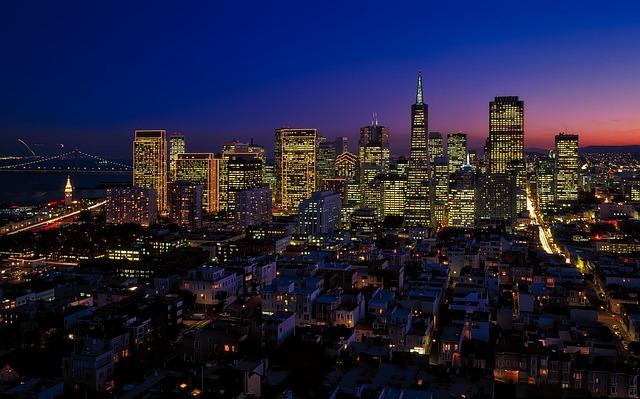
Once a symbol of economic dynamism and cultural vibrancy, San Francisco’s downtown district is currently facing significant obstacles in restoring its pre-pandemic energy. Recent analyses rank the city last among 63 major U.S. metropolitan areas in terms of downtown recovery, revealing a slower rebound than many comparable cities. While urban centers like Nashville and Portland have successfully adapted to evolving work habits and invested in revitalization efforts, San Francisco continues to grapple with persistent office vacancies, diminished pedestrian activity, and a general hesitancy among consumers and employees to return to the city’s core.
Several critical factors are impeding the city’s downtown resurgence:
- Elevated commercial vacancy rates: A surplus of unleased office properties remains a significant drag on economic momentum.
- Concerns over public safety: Increasing crime statistics have discouraged both visitors and local workers from frequenting downtown areas.
- Transportation and infrastructure challenges: Ongoing construction and reduced transit services have limited ease of access to the city center.
| City | Downtown Recovery Rank | Office Vacancy Rate (%) | Foot Traffic Change (%) |
|---|---|---|---|
| Nashville | 7 | 10 | +22 |
| Portland | 15 | 14 | +16 |
| San Francisco | 63 | 29 | -12 |
Economic Pressures Undermining San Francisco’s Downtown Revival
The economic landscape in San Francisco presents a complex web of challenges that have slowed its downtown recovery. High living expenses and soaring commercial rents have pushed many businesses and residents to relocate to more affordable regions. The labor market is also strained, with unemployment rates exceeding the national average and a growing disconnect between job openings and the skills of the available workforce. These economic headwinds have collectively dampened the city’s ability to restore its downtown vibrancy.
- Escalating office rental costs: Prime commercial rents have surged by over 35%, making it difficult for startups and small businesses to maintain a presence downtown.
- Decline in tourism and visitor spending: Ongoing travel hesitancy and remote work have significantly reduced consumer activity in retail and hospitality sectors.
- Corporate relocations: Numerous technology companies and emerging enterprises have shifted operations to cities with lower overhead costs.
| Economic Indicator | San Francisco | National Average |
|---|---|---|
| Office Vacancy Rate | 29.3% | 16.1% |
| Average Commercial Rent (per sq. ft.) | $78 | $44 |
| Unemployment Rate | 8.7% | 5.3% |
San Francisco’s heavy dependence on the tech and service sectors, both highly susceptible to remote work trends, has intensified economic vulnerabilities. The departure of a significant portion of the workforce has weakened demand for downtown amenities, further straining local businesses. Additionally, persistent social issues such as housing shortages and safety concerns have eroded investor confidence, complicating efforts to attract new capital and tenants. This multifaceted economic environment highlights the uphill battle the city faces in revitalizing its urban core.
How Tourism Decline and Remote Work Reshape Urban Business Districts
The steep drop in tourism has profoundly affected urban centers that once thrived on visitor spending. San Francisco’s downtown, once bustling with tourists and locals alike, now contends with shuttered shops and reduced pedestrian flow. Sectors like retail, dining, and entertainment have been particularly hard hit, with many establishments struggling to survive amid diminished customer bases. This scenario underscores the urgent need for innovative approaches to rejuvenate these commercial hubs.
Simultaneously, the widespread embrace of remote and hybrid work models has permanently altered the rhythm of city life. With fewer commuters and less daily congestion, traditional business districts are evolving. Key impacts include:
- Decreased demand for traditional office space, prompting landlords to explore alternative leasing models.
- Lower consumer spending during peak business hours, affecting nearby eateries and retail outlets.
- Growing interest in mixed-use developments that blend residential, commercial, and recreational spaces to foster continuous activity.
| Metric | Pre-Pandemic | Current Status |
|---|---|---|
| Tourist Foot Traffic | Consistently high | Reduced by 62% |
| Office Occupancy | 96% | Below 58% |
| Local Business Revenue | Increasing | Flat or declining |
Comprehensive Strategies to Rejuvenate San Francisco’s Downtown
In response to these challenges, city officials and business stakeholders are implementing a broad range of initiatives aimed at revitalizing San Francisco’s downtown district. Central to these efforts is a focus on enhancing public safety through increased patrols, community policing, and advanced surveillance technologies to restore public trust. Alongside safety improvements, the city is investing in urban beautification projects-such as expanding green spaces, installing public art, and upgrading street lighting-to create a more welcoming atmosphere that encourages residents and visitors to linger.
Highlighted initiatives include:
- Transforming commercial corridors with adaptable retail spaces designed for local entrepreneurs and pop-up shops.
- Enhancing public transit connections to improve accessibility between downtown and surrounding neighborhoods.
- Launching targeted promotional campaigns to showcase San Francisco’s unique cultural events, culinary scene, and entertainment offerings.
- Offering tax breaks and financial grants to property owners who renovate and repurpose vacant buildings.
| Initiative | Expected Impact | Projected Timeline |
|---|---|---|
| Public Safety Upgrades | Lower crime rates by 25% | Within 12 months |
| Green Space Expansion | Boost pedestrian visits by 15% | Within 18 months |
| Support for Local Businesses | Attract 50 new retailers | Within 24 months |
Looking Ahead: The Path to Downtown San Francisco’s Renewal
As San Francisco confronts the multifaceted challenges of post-pandemic recovery, its position at the bottom of downtown rebound rankings serves as a call to action. Addressing the intertwined issues of public safety, economic shifts, and urban accessibility will require coordinated efforts from government, businesses, and community groups. While the journey toward revitalization is complex, strategic investments and innovative policies hold promise for restoring San Francisco’s downtown to a thriving, vibrant hub in the near future.