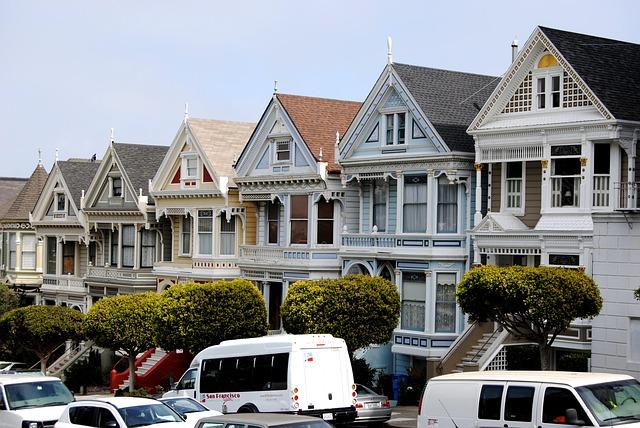
San Francisco Real Estate Skyrockets Amid AI Industry Surge
San Francisco’s housing market is experiencing an extraordinary boom, with properties frequently selling for nearly $1 million above their listed prices. This surge is largely propelled by the influx of investment and talent drawn by the city’s expanding artificial intelligence (AI) sector. The intense buyer competition reflects San Francisco’s growing prominence as a global AI innovation center, dramatically reshaping local real estate dynamics and affordability.
Several key elements are driving this unprecedented market activity:
- Rapid Growth of AI Firms: Both emerging startups and established tech giants are aggressively expanding their workforce and office spaces.
- Scarce Housing Supply: Persistent zoning restrictions and construction bottlenecks limit new housing availability despite soaring demand.
- Investor Involvement: A rising number of investors are acquiring residential properties, betting on continued appreciation fueled by the tech boom.
| Neighborhood | Average Price Growth | Typical Over-Ask Premium |
|---|---|---|
| SOMA | 27% | $980,000 |
| Mission District | 22% | $900,000 |
| Pacific Heights | 19% | $1,150,000 |
AI Sector Expansion Intensifies Bidding Wars and Drives Price Inflation
The surge in San Francisco’s housing demand is closely tied to the rapid scaling of the AI industry. As companies race to harness breakthroughs in machine learning and automation, a wave of highly compensated professionals floods the market, intensifying competition for a limited pool of homes. This has sparked fierce bidding wars, with many properties selling well above their initial asking prices, pricing out many traditional buyers.
Key contributors to this trend include:
- Concentrated Employment Growth: AI startups and tech behemoths alike are rapidly increasing their headcount.
- Housing Shortage: The supply of homes has not kept pace with the influx of high-income workers.
- Investor Purchases: More investors are snapping up properties, anticipating long-term gains fueled by tech-driven demand.
| Metric | Pre-AI Boom | Current |
|---|---|---|
| Median Home Price | $1.25 million | $2.3 million |
| Average Over-Ask Premium | +6% | +28% |
| Active Tech Jobs | 155,000 | 230,000 |
Effects on Local Residents and Anticipated Market Transformations
Longtime San Francisco residents are increasingly marginalized as the AI-driven economic boom inflates housing costs. The steep rise in prices-often nearly $1 million above asking-exacerbates affordability issues, pushing many out of their neighborhoods. Surveys reveal that renters and first-time buyers struggle to compete with cash-rich tech investors, leading to displacement and altering the city’s socio-economic fabric.
- Rising Rental Costs: Landlords leverage heightened demand to increase rents sharply.
- Declining Diversity: Economic pressures force lower-income and culturally diverse residents to relocate.
- Strained Public Services: Increased demand for social programs and community resources.
Looking ahead, experts anticipate a bifurcated housing market: luxury properties will continue appreciating rapidly, while mid-range and affordable homes become scarcer and more contested. Urban planners face mounting pressure to enact zoning reforms and expand affordable housing initiatives to mitigate these disparities. Without intervention, San Francisco risks becoming a city accessible predominantly to the ultra-wealthy, undermining the economic and cultural diversity that has historically fueled its innovation.
| Market Segment | Year-over-Year Price Change | Consequences |
|---|---|---|
| Luxury Residences | +32% | Surging investor demand |
| Mid-Range Homes | +17% | Increasing scarcity |
| Affordable Housing | +6% | Heightened displacement risk |
Effective Buyer Strategies in San Francisco’s Hypercompetitive Market
Amid relentless bidding wars fueled by the AI sector’s growth, prospective buyers must adopt strategic approaches to gain an edge. Securing pre-approved financing is essential to signal seriousness and expedite transactions. Employing aggressive offer tactics such as escalation clauses and waiving contingencies can improve success rates, though buyers should remain cautious to avoid financial overreach in this volatile environment.
Partnering with knowledgeable local real estate agents is invaluable. These experts can uncover off-market opportunities, interpret nuanced market trends, and craft offers that resonate with sellers beyond just price. Recommended tactics include:
- Shortening inspection periods to accelerate closing timelines
- Writing personalized letters to establish emotional connections with sellers
- Maintaining flexibility on closing dates to accommodate seller preferences
- Exploring emerging neighborhoods that offer growth potential with less competition
Conclusion: San Francisco Real Estate in the Age of AI
San Francisco’s housing market continues to defy conventional expectations, propelled by the booming AI industry and constrained supply. Buyers are increasingly willing to pay substantial premiums over asking prices, reflecting the city’s vibrant economic landscape and persistent affordability challenges. Whether this trend represents sustainable growth or signals an overheated market remains uncertain, but the influence of the tech revolution on San Francisco’s real estate is undeniable and poised to shape its future for years to come.