
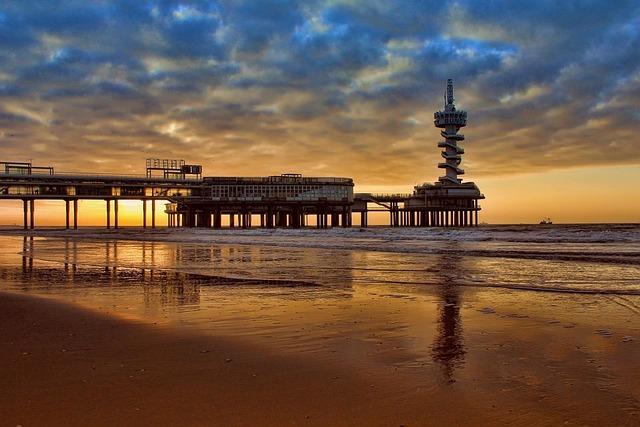
Severe Damage to Pacifica Pier Highlights Coastal Vulnerability Amid King Tides and Intense Waves
Pacifica Pier Sustains Major Damage from Record High Tides and Intense Wave Activity
The iconic Pacifica Pier has endured substantial destruction following a recent surge of king tides paired with exceptionally powerful waves. Witnesses observed massive waves crashing over the pier, dislodging critical wooden planks and metal supports, leaving large portions of the structure unstable and unsafe. Consequently, city authorities have closed the pier indefinitely to evaluate the damage and plan emergency repairs. These king tides, among the highest recorded in recent years, elevated sea levels well beyond typical ranges, overwhelming coastal defenses and accelerating shoreline erosion.
Primary contributors to the pier’s damage include:
- Unusually elevated tides, rising up to 3 feet above average levels
- Strong onshore winds generating waves larger than typical seasonal norms
- Structural weakening of the pier due to prolonged exposure to harsh weather conditions
| Parameter | Recorded Data |
|---|---|
| Peak Tide Height | 9.6 ft (2.93 m) |
| Maximum Wave Height | 12 ft (3.66 m) |
| Lost Pier Sections | 4 spans |
| Projected Repair Duration | 3 to 6 months |
Climate Change and Rising Sea Levels Amplify Coastal Infrastructure Risks
Environmental scientists attribute the recent devastation at Pacifica Pier to the intensifying effects of climate change and sea level rise. The convergence of extreme king tides and relentless wave forces has hastened the degradation of vital coastal infrastructure. Experts warn that ongoing global warming trends are elevating baseline sea levels, which in turn magnify the reach and severity of tidal flooding and wave damage, leaving coastal communities increasingly exposed to catastrophic events.
Key environmental drivers exacerbating coastal damage include:
- Higher baseline sea levels facilitating deeper storm surge penetration inland
- More frequent king tide occurrences intensifying erosion and flooding hazards
- Changing atmospheric conditions producing stronger, less predictable wave patterns
| Environmental Factor | Effect on Coastal Zones |
|---|---|
| Sea Level Rise | Increased flooding frequency and accelerated shoreline loss |
| Enhanced Wave Energy | Structural damage and habitat degradation |
| King Tide Frequency | Heightened stress on coastal protection systems |
Urgent Alerts Issued as Coastal Flooding Threatens Pacifica Neighborhoods
Local authorities strongly advise residents to exercise caution following the severe impairment of the historic Pacifica Pier due to combined king tides and powerful wave surges. The compromised pier not only poses safety hazards but also signals increased flood risks for adjacent low-lying communities in the upcoming days. Emergency teams have been deployed, and temporary flood barriers are being installed to shield vulnerable zones.
Residents are encouraged to follow these safety guidelines:
- Refrain from visiting waterfront areas and the pier until official clearance
- Secure outdoor belongings that could be displaced by floodwaters
- Stay updated with local weather forecasts and municipal advisories
- Prepare emergency kits stocked with essentials such as food, water, and medications
| Neighborhood | Flood Risk Level | Projected Water Rise (ft) |
|---|---|---|
| Downtown Pacifica | High | 4.5 |
| Coral Bay | Moderate | 3.2 |
| Sunset Beach | Low | 1.8 |
Strategies for Immediate Safety and Long-Term Coastal Resilience
To address the mounting threats from king tides and intense wave forces, experts and city planners advocate for a combination of rapid response actions and sustainable coastal management practices. Immediate interventions aim to protect residents and infrastructure through:
- Deploying temporary flood barriers and sandbag walls in critical locations
- Continuous monitoring of tidal patterns with prompt public alerts
- Restricting access to damaged pier sections and hazardous shoreline areas
- Conducting emergency preparedness drills focused on flood scenarios
For enduring protection, a blend of engineered solutions and ecological restoration is essential. Coastal authorities prioritize the following measures:
| Approach | Description | Anticipated Outcome |
|---|---|---|
| Seawall Enhancement | Strengthening and elevating existing seawalls to withstand higher tides | Mitigation of erosion and storm surge damage |
| Dune Rehabilitation | Reestablishing native vegetation to rebuild natural sand dunes | Wave energy absorption and natural flood buffering |
| Managed Relocation | Moving vulnerable infrastructure away from high-risk coastal zones | Long-term reduction in flood exposure and damage |
| Wetland Restoration | Expanding wetlands to serve as natural flood control and habitat areas | Enhanced water filtration and biodiversity conservation |
Looking Ahead: Building Resilience in Pacifica’s Coastal Communities
As Pacifica confronts the aftermath of unprecedented king tides and powerful wave impacts that have severely compromised its pier, local leaders continue to emphasize the critical need for vigilance and preparedness against ongoing coastal flooding threats. This event underscores the escalating challenges coastal towns face amid rising sea levels and intensifying weather extremes. Authorities urge residents to remain informed and ready as repair efforts progress. Ultimately, this incident serves as a compelling call to action for investing in resilient infrastructure and proactive environmental stewardship to protect vulnerable shorelines now and into the future.