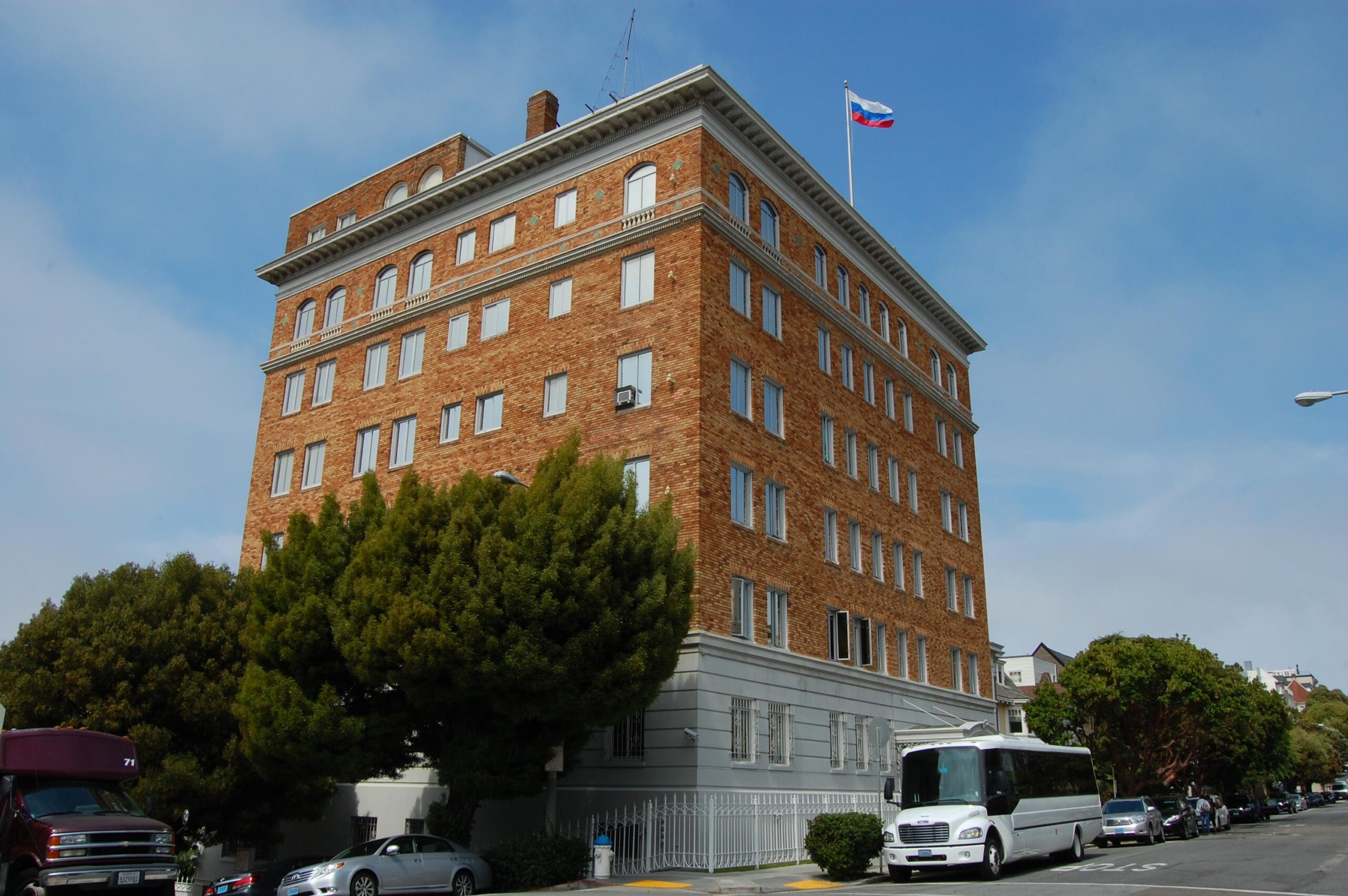
U.S. Orders Closure of Russian Consulate in San Francisco Amid Heightened Diplomatic Strains
Escalating Diplomatic Frictions: The U.S. Shuts Down Russian Consulate in San Francisco
In a decisive diplomatic maneuver, the United States government mandated the shutdown of Russia’s consulate located in San Francisco, intensifying the already fraught relations between the two global powers. Announced in 2017, this directive was part of a broader campaign aimed at curbing Russian intelligence activities on American soil, particularly in the strategically significant Bay Area. U.S. officials cited concerns that the consulate was being exploited for espionage rather than legitimate diplomatic functions, prompting this unprecedented action.
The consulate, housed in a landmark building in downtown San Francisco, had long served as a center for cultural exchange and diplomatic outreach. However, the U.S. government’s allegations of covert intelligence operations led to the consulate’s closure, which Russia swiftly condemned and vowed to retaliate against, hinting at reciprocal measures targeting American diplomatic missions within Russian territory.
- Consulate Location: Historic downtown San Francisco building, a hub for diplomatic and cultural activities.
- U.S. Justification: Accusations of espionage overshadowing official diplomatic duties.
- Russian Response: Denial of espionage claims and promise of reciprocal diplomatic actions.
| Issue | U.S. Perspective | Russian Stance |
|---|---|---|
| Consulate Function | Used for intelligence gathering | Rejects espionage allegations |
| Diplomatic Atmosphere | Increasingly strained and cautious | Defensive and confrontational |
| Anticipated Developments | Enhanced monitoring and sanctions | Potential reciprocal consulate closures |
Consequences of the Consulate Shutdown on U.S.-Russia Relations and Regional Security
The abrupt termination of the Russian consulate’s operations in San Francisco marked a pivotal moment in the deterioration of U.S.-Russia diplomatic ties. This action disrupted vital communication channels that had facilitated dialogue on a range of bilateral issues, from trade to security cooperation. Experts argue that the closure not only reduced direct diplomatic engagement but also symbolized a deepening mistrust between the two nations.
Among the most immediate effects were:
- Disruption of consular services, complicating visa issuance and travel for citizens of both countries.
- Escalation of hostile rhetoric in political discourse, fueling public skepticism and animosity.
- Increased reliance on indirect communication methods, limiting transparency and increasing the risk of misinterpretation.
On a broader scale, the consulate’s closure diminished Russia’s diplomatic footprint on the U.S. West Coast, a region critical for intelligence and cultural diplomacy. Security analysts warn that such reductions in official presence can exacerbate misunderstandings and hinder crisis management efforts, potentially destabilizing regional security dynamics.
| Dimension | Prior to Closure | Following Closure |
|---|---|---|
| Diplomatic Interactions | Regular meetings and cultural programs | Marked decline in official engagements |
| Security Collaboration | Consistent intelligence sharing | Fragmented and infrequent communication |
| Regional Stability | Relatively balanced relations | Heightened suspicion and tension |
Potential Fallout: Diplomatic Disruptions and Risks of Escalation
The consulate’s closure has significantly strained diplomatic channels, limiting opportunities for direct dialogue and increasing the potential for misunderstandings. Seen as a retaliatory measure following earlier expulsions of diplomats, this move complicates cooperation on critical issues such as cybersecurity, counterterrorism, and arms control. The narrowing of official communication avenues raises concerns about the potential for miscalculations and heightened volatility in bilateral relations.
Possible scenarios for further escalation include:
- Additional reciprocal expulsions of diplomats or consulate shutdowns.
- Intensified espionage and counterintelligence operations on both sides.
- Increased military deployments or exercises in contested regions, such as Eastern Europe or the Arctic.
- Expansion of economic sanctions targeting key sectors of the Russian economy.
| Escalation Scenario | Likely Consequences |
|---|---|
| Frozen Diplomatic Channels | Delays in crisis communication and conflict resolution |
| Surge in Intelligence Operations | Elevated security risks and countermeasures |
| Broadened Sanctions | Increased economic strain on Russia |
| Military Posturing | Heightened regional instability and risk of confrontation |
Approaches to Mitigate Diplomatic Retaliation and Sustain Dialogue
Despite the heightened tensions, diplomatic engagement need not be entirely severed. To prevent further deterioration, it is crucial to maintain open lines of communication through discreet back-channel negotiations and to utilize multilateral platforms where neutral parties can facilitate dialogue. These methods help reduce the risk of public confrontations and allow for more flexible, nuanced discussions.
Key strategies to preserve diplomatic relations include:
- Leveraging international organizations: Engaging forums such as the United Nations or the Organization for Security and Co-operation in Europe (OSCE) to mediate and communicate indirectly.
- Promoting cultural and educational exchanges: Sustaining people-to-people contacts through academic programs and cultural initiatives to build trust beyond political disputes.
- Implementing gradual confidence-building measures: Offering symbolic gestures or limited concessions to ease tensions while maintaining firm stances on core issues.
| Diplomatic Strategy | Objective | Expected Outcome |
|---|---|---|
| Back-channel Diplomacy | Minimize public conflict | Reduces risk of escalation |
| Multilateral Engagement | Involve impartial intermediaries | Facilitates compromise and dialogue |
| Soft Power Initiatives | Enhance mutual understanding | Supports long-term relationship stability |
Conclusion: Navigating a Complex Diplomatic Landscape
The closure of the Russian consulate in San Francisco represents a critical juncture in the evolving and often turbulent relationship between the United States and Russia. As both nations continue to grapple with mutual suspicions and geopolitical rivalry, this development highlights the broader challenges confronting international diplomacy today. Moving forward, the global community will be closely observing how Washington and Moscow recalibrate their diplomatic strategies and manage the delicate balance between confrontation and cooperation.