Supreme Court Decision Reshapes Federal Water Regulation Landscape
Supreme Court Curtails EPA’s Authority Over Waterway Protections
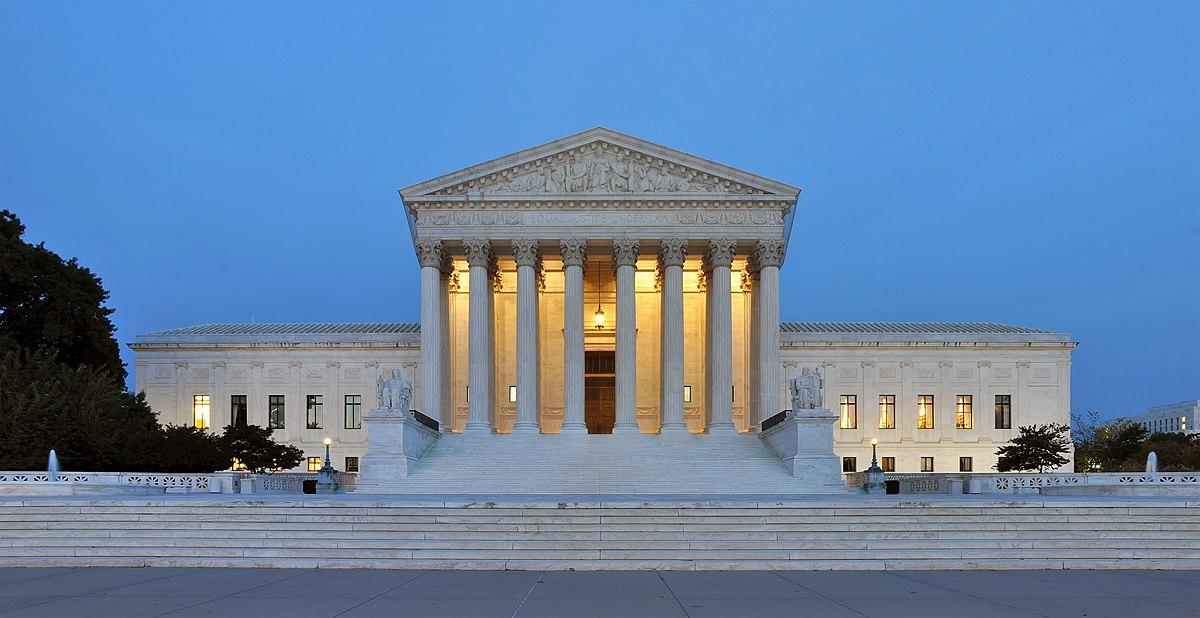
In a landmark ruling, the Supreme Court has significantly restricted the Environmental Protection Agency’s (EPA) regulatory reach under the Clean Water Act, redefining the scope of federally protected waters. This decision narrows the EPA’s jurisdiction, limiting its ability to enforce pollution controls on many streams, wetlands, and smaller water bodies nationwide. The judgment signals a judicial shift toward confining federal agencies within more explicit statutory limits, emphasizing state responsibility in managing local water resources.
Supporters from industry sectors have welcomed the ruling, citing enhanced regulatory clarity and a reduction in federal overextension. Conversely, environmental advocates caution that this contraction of federal oversight could increase pollution risks in sensitive aquatic ecosystems. The ruling’s key outcomes include:
- Contraction of federally regulated waters: Only navigable waters and major tributaries remain under direct EPA jurisdiction.
- Greater state-level accountability: States must now oversee smaller or seasonal waterways previously covered by federal protections.
- Potential disparities in water quality standards: Varied state regulations may lead to inconsistent environmental safeguards across regions.
| Category | Prior to Ruling | Post-Ruling |
|---|---|---|
| Scope of Protected Waters | Extensive, including intermittent streams and wetlands | Restricted to navigable waters and significant tributaries |
| Regulatory Authority | Broad federal oversight nationwide | Increased reliance on state governance |
| Environmental Risk | Lower due to comprehensive federal protections | Elevated risk in unregulated water bodies |
Legal Ramifications for Environmental Governance and Enforcement
The Supreme Court’s decision imposes significant constraints on the EPA’s capacity to regulate water bodies crossing state lines under the Clean Water Act. This ruling challenges the extent of federal jurisdiction, potentially encouraging states and private entities to contest regulatory mandates more aggressively. Legal analysts predict an uptick in litigation as stakeholders navigate the new boundaries of environmental oversight.
This evolving legal framework compels policymakers and regulators to rethink enforcement approaches and foster stronger intergovernmental cooperation. Notable consequences include:
- Constrained federal jurisdiction: Reduced authority over intrastate waters and wetlands.
- Increased legal disputes: More frequent court challenges to environmental regulations.
- Fragmented policy landscape: Diverse state standards complicate unified national water quality objectives.
| Area | Effect | Impacted Parties |
|---|---|---|
| Federal Oversight | Reduced regulatory scope | EPA, State Governments |
| Water Quality Standards | Inconsistent enforcement across states | Industries, Environmental Advocates |
| Judicial Challenges | Heightened frequency of legal battles | Regulatory Bodies, Businesses |
Consequences for States and Industry in Water Resource Oversight
With the EPA’s diminished federal authority, states now bear increased responsibility for managing their water resources. This shift offers opportunities for localized policy customization that aligns with regional ecological and economic priorities. Several state governments have expressed optimism about tailoring regulations to better suit their unique environments. However, concerns persist regarding uneven water quality protections, especially in states that may adopt less rigorous standards than those previously enforced federally.
Industries such as agriculture, manufacturing, and energy have generally welcomed the ruling, anticipating reduced regulatory burdens and faster permitting processes. This newfound flexibility could lower operational costs and accelerate project timelines. Nonetheless, environmental organizations warn that the decision might encourage some industries to prioritize immediate economic benefits over long-term sustainability. Industry perspectives highlight:
- Decreased federal intervention: Empowering localized decision-making.
- Potential cost reductions: Streamlined permitting and compliance.
- Risk of regulatory inconsistency: Varied standards across state borders.
- Heightened state enforcement duties: Increased pressure on local agencies to uphold protections.
| Stakeholder | Main Concern | Anticipated Outcome |
|---|---|---|
| State Regulators | Balancing economic development with water protection | Expanded regulatory discretion |
| Agricultural Sector | Restrictions on water use | Loosened federal constraints |
| Energy Industry | Delays and costs in permitting | Accelerated project approvals |
| Environmental Organizations | Erosion of environmental safeguards | Increased advocacy and litigation efforts |
Strategies for Adapting to Regulatory Shifts and Anticipating Legal Challenges
Following the Supreme Court’s decision limiting the EPA’s regulatory scope, stakeholders must proactively adjust to the evolving legal and regulatory environment. Continuous engagement with policymakers and legal experts is crucial to anticipate changes and ensure compliance. Staying abreast of regulatory updates and judicial interpretations will help mitigate risks associated with shifting environmental governance.
Recommended approaches include:
- Developing flexible compliance systems capable of adapting to regulatory changes.
- Partnering with environmental law specialists to prepare for potential litigation and policy shifts.
- Enhancing communication and transparency with local communities and stakeholders to foster trust and collaboration.
| Focus Area | Recommended Action |
|---|---|
| Regulatory Surveillance | Form dedicated teams to monitor legal developments and policy changes |
| Legal Strategy | Create contingency plans including risk assessments and litigation preparedness |
| Community Relations | Implement outreach programs and stakeholder engagement initiatives |
Conclusion: Navigating a New Era in Water Protection Policy
The Supreme Court’s recent ruling represents a transformative moment in the governance of water resources under the Clean Water Act. By constraining the EPA’s jurisdiction, the decision reshapes the balance of regulatory power between federal and state authorities, with profound implications for environmental policy, industry operations, and water quality management. As all parties adjust to this altered legal framework, the focus will be on how states and federal agencies collaborate to ensure the continued protection of the nation’s vital waterways.