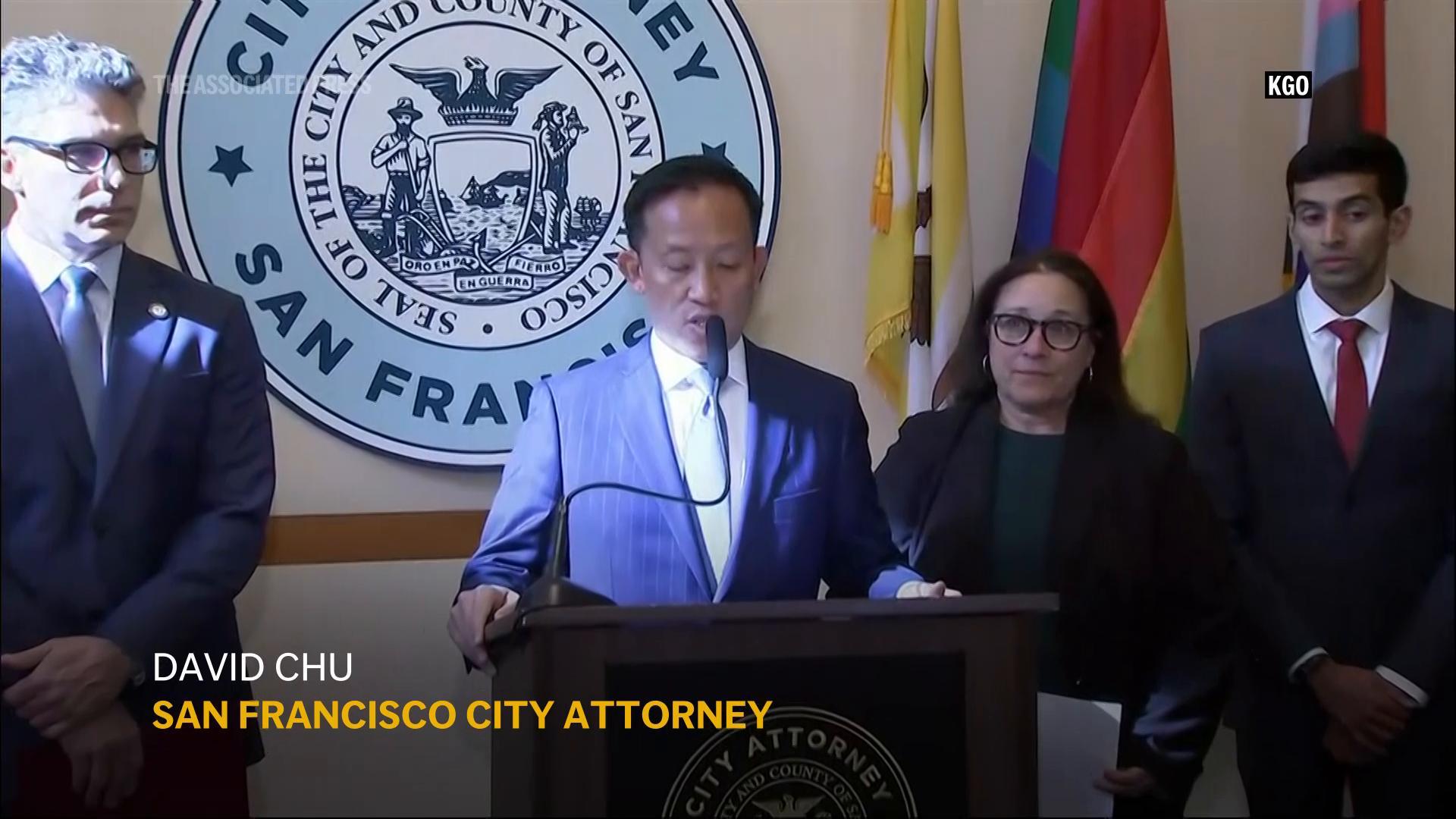
San Francisco has joined a growing list of cities taking legal action against the Trump administration over its immigration policies. In a lawsuit filed this week, the city challenges measures it says undermine local authority and threaten the safety and rights of immigrant communities. This latest move underscores the escalating tension between federal immigration enforcement and sanctuary cities advocating for their residents.
San Francisco Challenges Federal Immigration Measures in Court
San Francisco has joined a growing list of municipalities taking legal action against the federal administration’s immigration policies. The city argues that recent measures enacted by the Trump administration overstep federal authority and jeopardize local programs designed to protect immigrant communities. City officials assert that these policies undermine public safety by eroding trust between law enforcement and residents, particularly in neighborhoods with large undocumented populations.
Key points raised in San Francisco’s lawsuit include:
- Contradiction with the city’s sanctuary laws, which limit cooperation with federal immigration enforcement
- Potential violation of constitutional rights, including due process and equal protection clauses
- Financial strain on local resources as a direct consequence of federal immigration mandates
| Policy Aspect | San Francisco’s Position | Federal Enforcement |
|---|---|---|
| Sanctuary City Status | Defends autonomy | Seeks compliance |
| Law Enforcement Cooperation | Strict limits | Mandatory assistance |
| Funding Impact | Risk of cuts | Conditional grants |
Legal Arguments Focus on Local Autonomy and Public Safety Concerns
San Francisco’s legal challenge underscores a fundamental clash between federal immigration directives and the city’s commitment to local governance. City officials argue that the federal government’s policies undermine the autonomy of municipalities in crafting immigration enforcement measures aligned with their unique community needs. This position is bolstered by concerns that the federal mandates disrupt established local protocols that prioritize building trust between immigrant communities and law enforcement agencies.
The lawsuit also emphasizes public safety, highlighting data showing that cooperation between local police and undocumented immigrants encourages crime reporting and enhances community well-being. Officials warn that the Trump administration’s policies could drive vulnerable populations into the shadows, creating an environment where crimes may go unreported and public safety is compromised. The city maintains that protecting residents requires legislation that respects local discretion while addressing immigration enforcement.
- Local Autonomy: Empowers cities to determine their enforcement priorities based on community needs.
- Community Trust: Fosters safer neighborhoods by encouraging cooperation with law enforcement.
- Public Safety Data: Statistics indicate lower crime rates in sanctuary jurisdictions.
- Risks of Federal Overreach: Potential to alienate undocumented immigrants from reporting crimes.
| Aspect | Local Position | Federal Policy Impact |
|---|---|---|
| Enforcement Priority | Community-oriented, trust-based policing | Strict immigration enforcement, less discretion |
| Public Safety Outcomes | Reduced crime through cooperation | Increased fear, potential rise in unreported crime |
| Legal Authority | Home rule powers | Federal supremacy claims |
Implications for Other Cities and National Immigration Policy Debate
The legal battle initiated by San Francisco signals a broader challenge for cities nationwide grappling with federal immigration mandates. As local governments assert their authority to protect immigrant communities, a domino effect is forecasted, where municipal leaders may increasingly defy or contest policies viewed as overreaching or harmful. This tension underscores a critical junction in the federal-system relationship, revealing how immigration legislation transcends the borders of Washington D.C. and functions as a litmus test for state and local sovereignty.
- Local Autonomy vs. Federal Authority: Enhanced pushback could reshape the landscape of federal-state interactions on immigration enforcement.
- Impact on Community Trust: Lawsuits reflect concerns about the chilling effect federal policies impose on immigrant cooperation with local services.
- Policy Realignments: Legal challenges may encourage Congress to reconsider immigration frameworks to accommodate diverse urban realities.
| City | Legal Response | Potential Impact |
|---|---|---|
| San Francisco | Filed lawsuit | Set precedent for resistance |
| New York | Increased sanctuary protections | Boost immigrant confidence |
| Chicago | Policy advocacy | Push federal policy shift |
Experts Suggest Pathways for Municipalities to Protect Immigrant Communities
In response to an increasingly hostile federal environment, legal experts and community advocates have outlined actionable strategies for municipalities aiming to safeguard immigrant populations. These approaches prioritize local legislation that restricts cooperation with federal immigration enforcement, ensuring that trust between immigrants and city institutions remains intact. Additionally, experts emphasize the importance of expanding sanctuary policies and creating legal support networks that assist immigrants facing deportation or legal challenges.
Concrete recommendations include:
- Implementing city-funded rapid response teams to provide legal aid during ICE raids.
- Designating municipal identification cards to help undocumented immigrants access services without fear.
- Establishing clear training protocols for local law enforcement to avoid entangling immigration enforcement with community policing.
| Pathway | Impact | Example City |
|---|---|---|
| Sanctuary Ordinances | Limits ICE access to local jails | San Francisco |
| Municipal ID Programs | Improves service access | New York |
| Legal Aid Funds | Supports immigrant defense | Chicago |
The Conclusion
As the legal battle over immigration policies intensifies, San Francisco’s decision to sue the Trump administration marks the latest chapter in a broader clash between federal authority and local governments. The outcome of this lawsuit could have significant implications not only for San Francisco but for other cities navigating similar tensions. As the story continues to develop, stakeholders and observers alike will be watching closely to see how the courts address these complex challenges at the intersection of immigration enforcement and municipal governance.